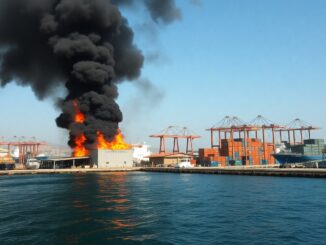
The Foreign Office has mobilised an unprecedented response after strikes hit Gulf airports, urging British nationals to shelter in place while contingency plans are drawn up
The UK has opened an exceptional consular operation after a sudden wave of strikes across the Gulf disrupted air travel and forced several airports to close. The Foreign, Commonwealth & Development Office (FCDO) triggered the response as flights were cancelled and air routes were suspended, leaving thousands of British nationals — tourists, long-term residents and people in transit — stranded across the region.
What the FCDO is doing
– Consular teams are on the ground and working around the clock to support those affected. Help includes emergency accommodation, travel advice and direct liaison with local authorities.
– The department is urging people in the area to shelter where they are, follow local safety instructions and register on the FCDO’s online platform so staff can prioritise assistance and send timely updates.
– Ministers and diplomats are coordinating with airlines and international partners to keep remaining travel hubs open and to seek alternative routes if airspace restrictions continue. Priority will go to the most vulnerable and to people with urgent travel needs.
Registering and immediate steps
Registering with the nearest diplomatic mission or via the FCDO website helps consular teams map where British nationals are concentrated and direct resources quickly.
Once registered, people can expect tailored advice by phone or email and, where necessary, help arranging short-term shelter. The operation is concentrating on family reunification, urgent medical needs and support for children, the elderly and people with disabilities.
Practical guidance for travellers
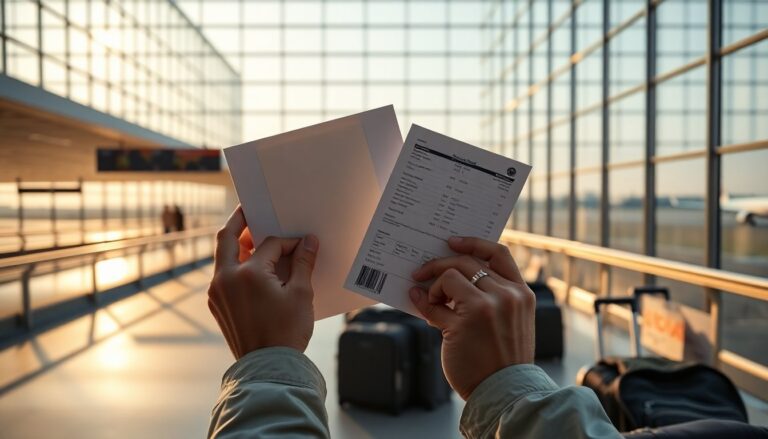
– Keep travel documents accessible and maintain close contact with your airline — schedules can change at very short notice.
– Follow official consular channels and avoid offers from unverified third parties.
– If you’ve registered, consular staff may contact you directly to assess needs and coordinate support.
Travel disruption and on-the-ground scenes
Airports across the Gulf have reported widespread cancellations and temporary suspensions, with several major hubs directly affected. Passengers described chaotic scenes at terminals: hurried evacuations to hotel basements or interior rooms, visible debris from drones or missiles nearby, and airlines scrambling to provide hotel accommodation for stranded travellers. Rerouted flights will add time and cost to many journeys, and carriers warn that fares and onward-connection complexity are likely to rise while the situation stabilises.
Human cost and infrastructure damage
There have been incidents causing casualties and damage to civilian infrastructure. Airports, nearby hotels and other facilities sustained strikes or fire damage in several locations. Emergency services evacuated affected areas and treated the injured; local authorities have confirmed a small number of fatalities and multiple injuries and have opened investigations. Ground crews are clearing debris and assessing runways and terminals, which has reduced handling capacity and prolonged delays for many passengers.
Diplomacy, defence and domestic debate
Regional governments have responded with diplomatic protests and stepped-up defence measures, including increased airspace surveillance. Diplomatic exchanges are ongoing, and governments are balancing immediate security steps with efforts to de-escalate tensions. In the UK, ministers and officials have held talks with regional counterparts to review the security of British personnel and facilities. Defence planners are examining force-protection options — described by officials as precautionary — while debates continue at home over legal authorities and the scale of any military role.
What this means going forward
Many governments are calling for restraint and a return to dialogue. The UK and European partners have condemned strikes on civilian targets and urged humanitarian and travel-related services be allowed to operate without interference. For British nationals in the Gulf, the immediate actions are simple and practical: register with the FCDO, monitor official updates, follow local safety guidance and stay in touch with carriers. For policymakers, priorities remain protecting citizens, keeping essential travel and logistics flowing where possible, and using diplomacy to prevent further escalation while preparing contingency plans if conditions worsen.
If you are in the region and need help, register with the FCDO, follow local emergency instructions, and contact consular services through official channels rather than third parties. Consular teams are continuing to assess needs and provide support as the situation develops.