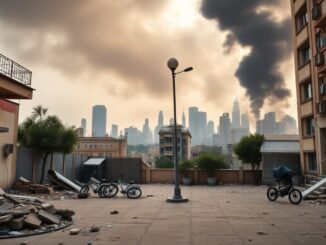
Iran has carried out extensive strikes across the Middle East, with reports of a US F-15 being shot down over Kuwait and explosions near US facilities—escalating a wider regional confrontation
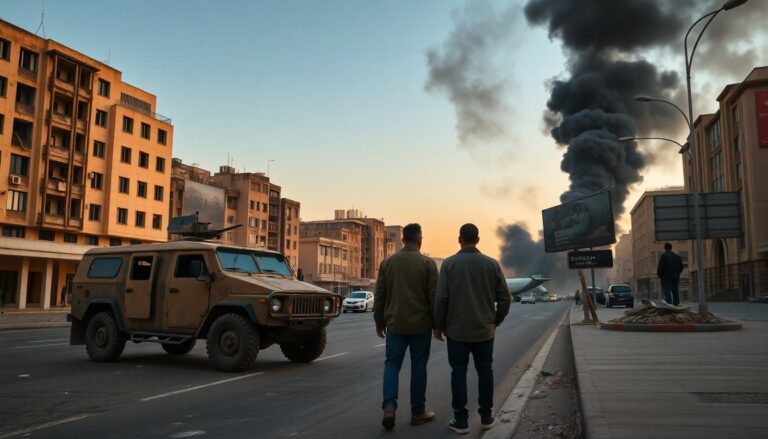
Regional strikes across the Middle East sparked a sudden spike in violence and anxiety, as Iran carried out a broad series of attacks that rapidly intensified military activity across the region. Explosions were reported near U.S. facilities, plumes of smoke were seen around diplomatic compounds, and unverified clips circulated online claiming a U.S.
fighter jet went down over Kuwait. Governments and security services reported engagements in several Gulf cities and beyond, creating a chaotic, fast-moving picture on the ground.
Diplomatic missions and foreign nationals received urgent safety advice as retaliatory strikes and pointed public statements followed, raising fears the confrontation could expand.
Markets reacted immediately: oil prices jumped on worries that vital energy routes might be disrupted.
This remains an unfolding story. International governments and security agencies are following developments closely; more reliable, confirmed accounts are expected as officials verify battlefield reports and assess diplomatic fallout.
What happened where
Early-morning strikes struck multiple locations across the Gulf, with local media and witnesses describing explosions near strategic sites. In Bahrain, blasts were reported close to a naval base used by coalition forces. Eyewitness images circulated showing smoke over diplomatic districts in Kuwait City. Residents in Dubai and Abu Dhabi described loud detonations and subsequent secondary blasts that shook neighborhoods.
A widely shared — but not independently verified — claim said a U.S. F-15 was shot down over Kuwait; some social posts suggested the pilot ejected and was rescued. Kuwaiti authorities said their air defenses had intercepted hostile aerial objects over central areas and reported no casualties in their initial assessments, urging the public to await official updates. The flood of open-source videos and eyewitness clips is already shaping early narratives, underscoring how quickly unconfirmed material spreads during a crisis.
Impact on U.S. forces and allied responses
U.S. officials confirmed casualties among American service members at a base in Kuwait, reporting three fatalities connected to the strikes. The White House and senior U.S. leaders issued strong statements. President Donald Trump honored the fallen as “true American patriots,” pledged a measured response, and left open the possibility of future talks with new Iranian leadership — a blend of resolve and strategic ambiguity.
U.S. consular sections advised citizens in affected areas to shelter in place and to avoid diplomatic compounds while missile and unmanned aerial threats persisted. Security sources also reported drones intercepted over Erbil Airport in northern Iraq, a site that hosts U.S. forces. For officials juggling military updates and diplomatic messaging, protecting personnel and facilities across multiple time zones has become an immediate, complicated priority.
Regional exchanges and shifting dynamics
Following the initial strikes, a pattern of reactive attacks and sharp public statements from regional actors suggested the risk of a wider confrontation. Allies and partners scrambled to issue guidance for their citizens, while military commands adjusted force postures. The situation exposed the fragility of a tense equilibrium in the Gulf, where a single escalation can ripple quickly across borders.
Political and public reaction
Leaders and factions on several sides rushed to shape the narrative. Some political figures framed the strikes as defensive or retaliatory; others called for restraint to prevent further escalation. In affected cities, ordinary residents grappled with disrupted routines, sudden curfews and nervous commutes. Social media amplified both verified updates and rumors, fueling anxiety while officials worked to provide accurate information.
Economic and security consequences
Markets reacted to the uncertainty almost immediately. Oil prices climbed as traders priced in the possibility of disruptions to shipping lanes and regional infrastructure. Beyond commodities, the strikes forced a reassessment of security plans for embassies, regional logistics hubs and commercial operations. Insurance premiums, shipping routes and business continuity plans are now likely to be scrutinized and adjusted in the days ahead.
Diplomatic missions and foreign nationals received urgent safety advice as retaliatory strikes and pointed public statements followed, raising fears the confrontation could expand. Markets reacted immediately: oil prices jumped on worries that vital energy routes might be disrupted.0
Diplomatic missions and foreign nationals received urgent safety advice as retaliatory strikes and pointed public statements followed, raising fears the confrontation could expand. Markets reacted immediately: oil prices jumped on worries that vital energy routes might be disrupted.1