A short sensory tale of roasted heirloom tomatoes paired with tangy fermented ricotta, sustainability and simple technique
Topics covered
Roasted heirloom tomatoes with fermented ricotta: a summer dish to remember
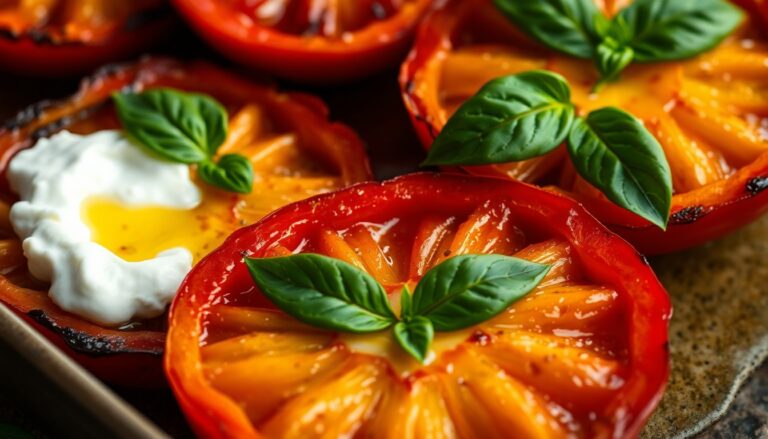
The palate never lies… The first forkful is immediate and precise. Warm tomato flesh yields and releases concentrated sweetness. Edges caramelize with a light char. A cool smear of fermented ricotta introduces tang and faint effervescence.
Fresh basil and a drizzle of olive oil lend herbaceous and smoky notes. A pinch of sea salt sharpens the profile and asks to be savored.
Behind every dish there’s a story. This preparation celebrates late-summer harvests and simple preservation techniques.
It pairs a prized, fragile fruit with a cultured cheese that extends flavor and adds complexity. The result is both rustic and refined.
Behind each ingredient there is a story
As a chef I learned that ingredient quality defines the final dish.
Heirloom tomatoes vary in sugar, acidity and texture based on seed lineage and terroir. Fermented ricotta develops lactic depth and gentle acidity through controlled microbial activity. Choosing fruit at peak ripeness and handling cheese with care preserves those contrasts.
Choosing fruit at peak ripeness and handling cheese with care preserves those contrasts. The palate never lies: texture and acidity map a product’s origin as clearly as taste. Here, precision matters as much as passion. Small decisions at the stove amplify the terroir in each bite.
Technique made accessible: how to roast and ferment
Start by trimming tomatoes to expose their flesh without losing juices. Score skins lightly to promote even roasting. Place cut side up on a tray, brush sparingly with olive oil, and season only with salt to sharpen natural sugars. Roast at moderate heat until edges caramelize and juices concentrate. Shorter cooking preserves bright aromatics; longer roasting deepens umami and sweetness.
For the ricotta, a controlled fermentation is a short, guided process. Warm the curd gently, add a measured starter culture, and hold temperature for a few hours to develop acidity and creaminess. Strain to the desired consistency. The resulting tang binds with roasted tomato sugars and lifts the plate from simple salad to a composed course.
Technique also protects the supply chain logic. Using filiera corta produce shortens time from field to pan and preserves volatile aromatics. As a chef I learned that respecting provenance reduces the need for heavy seasoning. Fermentation and roasting become complementary tools to reveal, not mask, the ingredient.
Practical tip: test one tomato and one spoonful of ricotta before plating. Adjust roast time and fermentation length on that micro-scale. Small, deliberate tweaks yield consistent results across a batch.
Small, deliberate tweaks yield consistent results across a batch.
The palate never lies: roasted tomatoes speak in concentrated sweetness and deep umami.
As a chef I learned that technique is simplicity amplified. Preheat the oven to 200°C (400°F). Halve the tomatoes and arrange them cut side up on a tray.
Drizzle a thin film of the best extra‑virgin olive oil you have. Sprinkle coarse sea salt and scatter a few torn thyme leaves. Keep the seasoning light to let the fruit’s character emerge.
Roast until the edges caramelize and juices concentrate. Expect about 25–35 minutes, depending on tomato size. The objective is clarification of sugars and amplification of savory notes, not charring.
Use a spatula to lift the tomatoes gently. If juices cling to the tray, scrape them into the tomatoes; those concentrated liquids are flavor carriers.
Technically, slower heat promotes Maillard reactions along the cut surface while preserving interior texture. Short, high heat risks drying and bitter compounds. Adjust time rather than temperature to account for tomato ripeness.
Roasted tomatoes work across dishes: folded into pasta, spooned over grilled fish, or cooled and packed into jars for short‑term storage. Choose fruit from nearby growers to support a short supply chain and ensure peak flavor.
Behind every dish there’s a story of technique and provenance. As a chef I learned that attention to small steps transforms humble ingredients into memorable food.
As a chef I learned that attention to small steps transforms humble ingredients into memorable food. The palate never lies, and fermented dairy speaks clearly when handled with care.
For the fermented ricotta, use only fresh ricotta, a starter culture or a spoonful of live yogurt, and time. Gently fold the culture into the ricotta in a clean bowl. Transfer the mixture to a sterilized jar and cover with a breathable lid. Hold at a warm room temperature (22–25°C) for 12–24 hours while cultures develop a subtle tang and a slight effervescence. Refrigerate to slow fermentation and stabilize the texture before serving. This phase controls acid development so the cheese complements the roasted tomato’s sweetness and umami.
Balancing flavors and textures
Contrast on the plate defines the experience: warm tomato against cool ricotta, silky olive oil against crisp toasted bread, bright basil against a sprinkle of toasted seeds for nuttiness. Finish with a drizzle of green herb oil or a few drops of aged balsamic to introduce layered acidity and deepen umami. Taste as you build: salt enhances sweetness and unlocks savory notes; acid brightens edges; fat carries aroma and rounds mouthfeel. Behind every dish there’s a story of technique and terroir—let each element speak with clarity.
Connection to territory and sustainability
The palate never lies: the provenance of an ingredient reveals itself on the plate. Using heirloom tomatoes from local growers and limiting processing honors the land and shortens supply chains. As a chef I learned that small choices in sourcing support biodiversity and protect flavor integrity. Partnerships based on filiera corta reduce food miles and strengthen regional economies while making traceability practical for kitchens and consumers.
Organizations such as Slow Food, Gambero Rosso and the Michelin Guide increasingly recognize dishes that articulate place through ingredient stewardship. Beyond certification, the measure of success is sensory: a clean, coherent taste that maps to a terroir. Technical practices — careful harvest timing, gentle handling, minimal heat exposure — preserve volatile aromatics and the tomato’s natural balance of sugars and acids.
Invitation to taste and adapt
Behind every dish there’s a story of technique and terroir—let each element speak with clarity. Invite readers to taste deliberately: note texture, acidity and the lingering umami that signals respectful handling. As a chef I learned that tasting at each stage guides refinement and prevents over-processing.
For home cooks and young chefs, adaptability matters. Start with a trusted producer, then adjust salt, acid and finishing oil to reflect local olive varieties or seasonal herbs. Simple shifts in seasoning and timing allow a single recipe to express different landscapes and tables. Offer practical steps: taste early, correct sparingly, and document results for repeatable success.
the palate never lies: practical steps for ritual and repeatability
The palate never lies. Start by tasting early and often. Take notes on texture, acidity and salt at every stage. Small adjustments matter.
Roast tomatoes until skins blister and flesh concentrates. Strain excess liquid if needed. For the ricotta, maintain a steady temperature and sample at 12, 24 and 48 hours to map fermentation progress.
Salt sparingly at first. Add a final seasoning after fermentation and roasting. A squeeze of lemon lifts acidity; a drizzle of good olive oil smooths the finish.
Plate simply for clarity. Toasted country bread provides structure. Microgreens bring brightness. A small shard of olive tapenade introduces umami without overwhelming the dish.
Vary tomato cultivars to explore terroir. Heirlooms yield complex aromatics; plum types concentrate more when roasted. Keep a tasting log that records variety, roasting time and fermentation duration.
Document results for repeatable success. Note ambient temperature, salt percentage and time. These data turn intuition into a reliable method.
Behind every dish there’s a story of season, place and technique. As a chef I learned that patience and careful tasting convert simple ingredients into memorable plates.
Try it this weekend: roast a small batch, culture a pot of ricotta, and use your tasting notes to refine the next iteration. The dish will evolve with practice, but the guiding principle remains a clear, honest expression of sun, soil and human touch.