

Protests by hauliers and farmers have restricted access to major ports and the Whitegate refinery, prompting government action and concern about fuel and water treatment chemicals
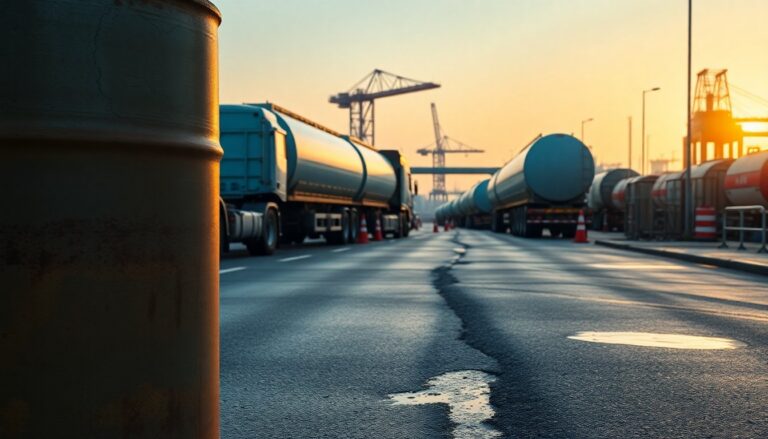
The Republic of Ireland is experiencing widespread action by truckers and farmers that has disrupted road networks and access to critical terminals. Convoys that began as slow-moving demonstrations have evolved into targeted blockades at fuel depots and ports, creating a visible strain on distribution hubs that underpin the country’s energy and chemical supply chains.
Organisers say the measures aim to force deeper cuts to fuel taxes; officials warn they are jeopardising essential services.
The protests have placed pressure on both central and local authorities. Key locations affected include the Whitegate oil refinery in County Cork and the deep-water port of Foynes in County Limerick, with additional restrictions reported at fuel terminals near Galway and other coastal facilities.
Activists report allowing limited consignments through for hospitals and frontline staff, while ministers and representative bodies meet to discuss further responses.
How the demonstrations have unfolded
What began as convoys along main routes and slow-moving protests in cities quickly moved to stationary blockades at logistics nodes.
The actions are being driven by hauliers and farmers who say rising pump prices threaten their businesses; they coordinate largely via social media rather than a single formal organisation. Protest spokespeople, such as John Dallon, have indicated willingness to continue until they achieve concrete outcomes, while some industry associations seek to mediate. Public reaction has been mixed: some motorists are filling forecourts amid fears of shortages, while emergency services and supply chains report mounting disruption.
Government response and official concerns
Senior ministers have publicly condemned the closures as unacceptable. The Taoiseach, Micheál Martin, warned that continued obstruction risked forcing tankers to divert or sell their cargo elsewhere, placing the country on the verge of losing key imports. The government has signalled reluctance to negotiate with self-appointed protest groups and stressed that previous tax adjustments on petrol and diesel represent meaningful intervention. Cabinet figures have also emphasised the need to protect critical infrastructure and maintain public order without unnecessary escalation.
Army deployment and legal options
Authorities have activated contingency plans around national infrastructure. The defence forces have been placed on standby and specialised equipment is prepared to remove obstructing vehicles if required. Justice officials have warned of legal consequences for persistent blockages, including impacts on drivers’ licences or prosecution. At the same time, ministers have urged de-escalation and highlighted the potential health and safety implications, particularly where the import of water treatment chemicals for Uisce Éireann is affected.
Meetings, mediation and the path forward
Talks between government ministers and recognised industry bodies have been convened to explore short-term relief and longer-term measures to ease costs. Some protesters sought to attend these meetings but were refused entry, leaving organisers frustrated and insisting protests will continue until they see tangible concessions. The Irish Road Haulage Association has offered to broker constructive dialogue and has engaged with protesters via intermediaries to defuse immediate tensions.
Supply chain risks and community impact
Supply managers warn that if blockades persist, more petrol stations could run dry and essential deliveries to farms and emergency services may be disrupted. The loss of imported chemicals needed for water purification has been singled out as a particularly worrying development because it affects public health beyond fuel shortages. Business and civic leaders have called for calm, while the government weighs both short-term relief measures and enforcement options to restore access to ports, depots and key urban routes.
As the situation evolves, officials insist on a dual approach of dialogue and firm protection of critical infrastructure. Protesters continue to press for deeper fuel-tax relief, while ministers stress the broader economic and public safety risks of sustained blockades. Observers say the coming hours and days will determine whether negotiations can reduce tensions or whether authorities will escalate removal operations to reopen the transport arteries that keep the country running.
