

Keir Starmer returned from talks across the Gulf pressing for toll-free navigation through the Strait of Hormuz as the fragile ceasefire faces renewed pressure from regional fighting and maritime claims
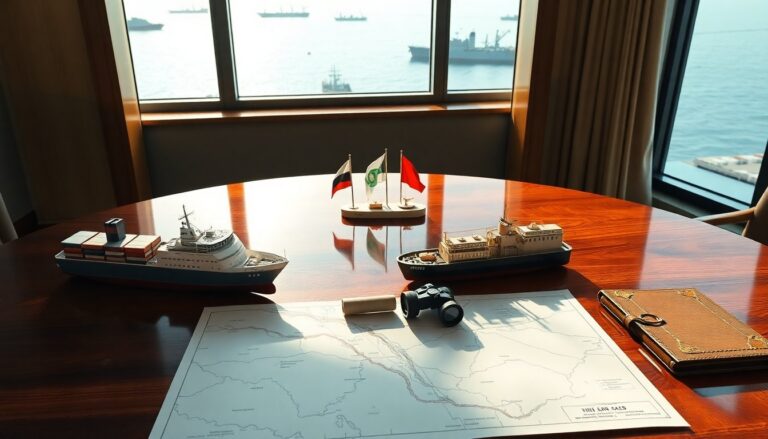
The British prime minister travelled to key Gulf capitals to press regional partners on restoring the free flow of commerce after a fragile truce. During the trip, he spoke by phone with the US president while in Qatar and outlined meetings with military planners and leaders in the region.
The central ambition of those conversations was clear: re-establish safe, unhindered movement through the Strait of Hormuz so global supply chains can resume. At issue are both practical arrangements for shipping and the political guarantees necessary to stop repeated closures.
In public comments and media interviews, the prime minister emphasised that what the UK understands as “open” means safe and toll-free navigation. He used the phrase toll-free navigation to describe the expectation that passage through the strait should remain free of levies or unilateral charges.
Downing Street said his call with the US president covered these points and the need to build a coalition to implement a credible, operational plan for getting merchant vessels moving again. The conversation also took place against a backdrop of sharp social media posts from the US president criticising Iran, underscoring how public rhetoric and private diplomacy are operating in parallel.
Diplomatic push during the Gulf tour
Across visits to Qatar, Bahrain, Saudi Arabia and the United Arab Emirates, the prime minister pressed for coordination on maritime security and economic stability. He raised the importance of restoring the free flow of goods with the UAE president and expressed condolences over civilian losses attributed to the conflict. With leaders in Bahrain he stressed that sustaining the ceasefire is a precondition for any longer-term peace. Officials said these meetings were aimed at building a coalition capable of delivering a practical, short-term plan to reopen shipping lanes while exploring measures to prevent future closures.
The Strait of Hormuz: mines, routes and economic fallout
Tensions around the Strait of Hormuz have lingered since the start of hostilities, with semi-official Iranian outlets publishing charts suggesting mines were laid in the channel. That material identified a “danger zone” along the corridor used by tankers, a signal that Tehran retains leverage over a waterway through which about 20% of traded oil and natural gas historically moved. Shipping has been severely reduced during the conflict, with some vessels observed taking routes closer to Iran’s coast. Industry figures warned that hundreds of laden tankers were waiting to transit, and oil prices reacted sharply to the uncertainty, with the international Brent benchmark reported at around $98 and noted as having risen significantly since the war began.
Tolls, legal claims and maritime norms
One contentious idea under discussion is whether Iran might try to formalise fees for commercial passage, a move that would upend decades of accepted practice treating the strait as an international waterway. Opponents argue that any attempt to charge for transit would violate long-standing norms and could be seen as appropriating a global resource to secure national advantage. The UK and other partners have described free passage as non-negotiable; some Gulf voices said unilateral changes to access would amount to holding global trade hostage.
Security dynamics: Lebanon, strikes and the limits of the truce
The ceasefire itself has been strained by intense Israeli strikes on Beirut that prompted sharp warnings from Tehran and fuelled debate over whether Lebanon was covered by the deal. The hostilities produced heavy casualties in Lebanon in a single day, marking the deadliest incident since the renewed round of fighting began on Feb. 28. Israeli leaders maintain strikes against Hezbollah remain justified and have said operations will continue where they see fit, while Tehran’s political leaders warned that further attacks on its allies would generate strong responses. Meanwhile, there are reports of high-level proposals to open direct talks aimed at reducing tensions between Israel and Lebanon.
Next steps and unresolved questions
Several practical issues must be resolved for the truce to hold: whether Iran will face restrictions on its enriched uranium stockpiles, how quickly mines or obstructions in shipping lanes can be verified and cleared, and whether Iran will be allowed to retain certain nuclear activities. Iranian officials have insisted on protections for their nuclear program as part of negotiations, while US leadership has demanded measures that would limit Iran’s ability to develop a weapons capability. Diplomats plan further talks in coming days to try to convert the pause into a durable agreement; the outcome will shape energy markets, regional security and the prospects for renewed hostilities.
In closing his trip, the prime minister framed the moment as a defining test for international order: restoring safe passage through the Strait of Hormuz and sustaining a credible ceasefire are both essential to protect global trade and prevent escalation. His message combined practical steps to reopen shipping with a call for political commitments that would prevent any single actor from reasserting control over an international corridor. The coming days of diplomacy will determine whether that aim can be translated into concrete, verifiable measures on the water and on the ground.
