US forces have targeted a Panama-flagged cargo ship attempting to breach the Iranian blockade in the Strait of Hormuz, escalating tensions in the region.
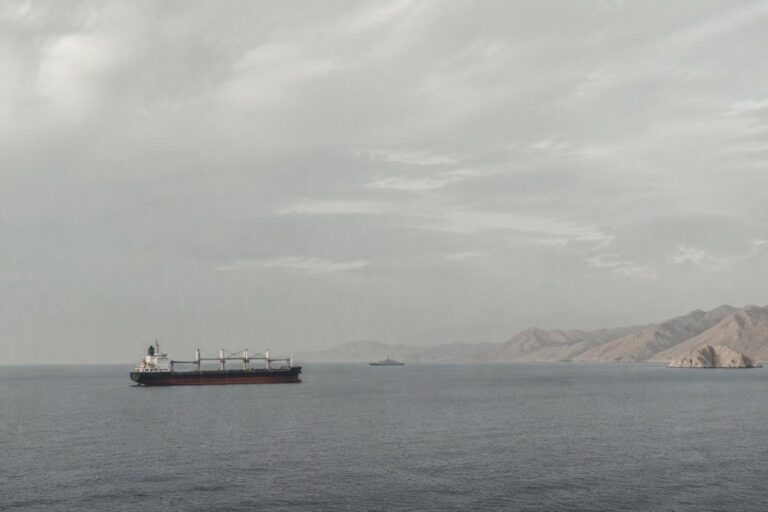
The geopolitical landscape in the Middle East is growing increasingly volatile as the United States and Iran find themselves in a tense standoff. The latest escalation involves a Panama-flagged cargo ship that was disabled by US forces after it ignored warnings and attempted to sail towards an Iranian port.
This incident has further complicated the already fragile negotiations between the two nations.
The Strait of Hormuz a critical waterway for global oil shipments, remains a flashpoint in this conflict. Iran has demanded the complete cessation of the US war and blockade, the release of its frozen assets, and a regional ceasefire before it will consider reopening the strait.
Mohsen Rezaei, secretary of Iran’s Supreme National Security Council, has made it clear that the strait will remain closed until all conditions are met.
US Forces Disable Cargo Ship in Strait of Hormuz
In a significant development, US forces fired two Hellfire missiles at the steering gear of a cargo ship attempting to navigate through the Iranian blockade.
The ship, flying the flag of Panama, ignored repeated warnings, prompting the US military to take action. This incident underscores the heightened tensions in the region and the delicate balance of power in one of the world’s most strategic waterways.
The Strait of Hormuz is a critical chokepoint for global oil supplies, with approximately 20% of the world’s petroleum passing through its narrow waters. The closure of this strait has had a profound impact on global energy markets, driving up prices and disrupting supply chains. The international community is closely watching the situation, as any further escalation could have far-reaching consequences.
Negotiations and Diplomatic Efforts
Despite the escalating tensions, there are signs of progress in diplomatic efforts. Qatar has reported that negotiations between Oman and Iran over the future of shipping through the Strait of Hormuz are making significant headway. These talks are crucial for restoring stability in the region and ensuring the free flow of commerce through this vital waterway.
The United States and Iran have been engaged in a complex web of negotiations, with the Pakistan serving as a key mediator. The latest reports suggest that the two nations are nearing an agreement, although significant hurdles remain. The outcome of these negotiations will have a profound impact on the future of the Middle East and global energy security.
In addition to the Strait of Hormuz, other regions in the Middle East are experiencing heightened tensions. The Houthi rebels in Yemen have launched attacks on ships in the Mar Rosso further complicating the already volatile situation. These attacks have resulted in casualties and disrupted maritime trade, adding to the regional instability.
Regional Implications and Global Reactions
The ongoing conflict between the United States and Iran has far-reaching implications for the entire region. The closure of the Strait of Hormuz has had a ripple effect on global energy markets, driving up prices and creating uncertainty. The international community is closely monitoring the situation, with many nations calling for a peaceful resolution to the crisis.
The United Nations and other international organizations have expressed concern over the escalating tensions and the potential for further conflict. Diplomatic efforts are underway to find a solution that addresses the concerns of all parties involved. The outcome of these efforts will be crucial in determining the future of the Middle East and global energy security.
As the situation continues to evolve, the world watches with bated breath. The actions of the United States and Iran in the coming days and weeks will be critical in shaping the future of the region and the global economy. The international community must work together to find a peaceful resolution to this crisis and ensure the free flow of commerce through one of the world’s most strategic waterways.