

Dive into the fascinating world of invertebrates, their crucial roles in ecosystems, and the urgent need for their conservation. Learn about remarkable species and how to support their survival.
The natural world is teeming with life, much of it unseen and often overlooked. Invertebrates, creatures without backbones, make up the vast majority of Earth’s species, yet they are frequently dismissed as mere “bugs” or “pests”. This perception is not innate but learned, and it’s high time we challenge it.
Naturalist and broadcaster Chris Packham has long been an advocate for these often-misunderstood creatures. His enthusiasm for invertebrates shines through in his work with the Guardian’s invertebrate of the year competition, which aims to shift focus from the usual animal superstars to the tiny, intricate lives of invertebrates.
These creatures, with their diverse ecologies and complex behaviors, often lead lives far more fascinating than those of larger, more charismatic animals.
The Remarkable Lives of Invertebrates
Invertebrates are found in every corner of the globe, from the tropical waters around JapanIndonesia and the Philippines to the beaches of Florida.
One such creature is the leaf sheep a marine mollusk that resembles a tiny, leaf-like plant. This extraordinary animal feeds on algae, using it to power its unique life cycle. Its otherworldly appearance and fascinating biology are a testament to the incredible diversity of life on Earth.
Closer to home, in the UK tree slugs exhibit remarkable behavior. These nocturnal creatures climb to the tops of oak trees each night, only to descend before dawn. This fascinating ritual was discovered by a naturalist during filming for the series Springwatch highlighting the wonders that can be found right on our doorsteps.
Even in our own homes, we can encounter incredible invertebrates. A recent discovery in a kitchen revealed a parasitic wasp one of over 330 species of netelia. This nocturnal wasp, with its huge eyes and powerful sting, parasitizes large moth caterpillars. Such encounters remind us of the miraculous worlds unfolding all around us, waiting to be discovered.
The Ecological Importance of Invertebrates
Invertebrates play crucial roles in our ecosystems. They are pollinators, decomposers, and prey for a wide range of other animals. Without them, the natural world as we know it would cease to function. Yet, their populations are under threat from habitat loss, pollution, and the use of pesticides.
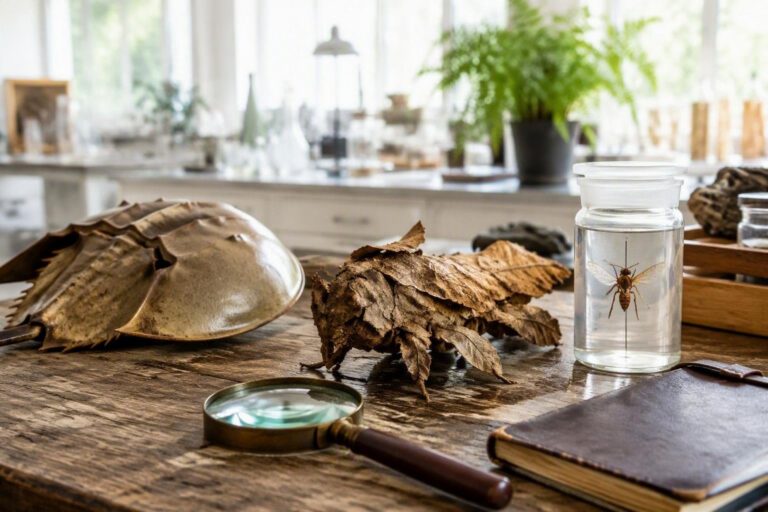
The horseshoe crab for instance, has been around for over 450 million years. These ancient creatures play a vital role in coastal ecosystems, serving as food for migratory birds and helping to maintain the health of our oceans. However, their populations have declined due to overharvesting and habitat destruction.
Similarly, the leaf sheep, with its unique feeding habits, contributes to the health of coral reefs. By consuming algae, it helps to maintain the delicate balance of these vital ecosystems. Yet, like many invertebrates, it faces threats from climate change and ocean acidification.
Taking Action to Protect Invertebrates
Raising awareness about the importance of invertebrates is a crucial first step. However, awareness alone is not enough. We must take concrete actions to protect these creatures and their habitats. One way to do this is by creating wildlife-friendly gardens. By planting nectar-rich flowers and allowing our gardens to go a bit wild, we can provide valuable habitats and food sources for invertebrates.
On a larger scale, we need to lobby for better pesticide regulations. In France for example, reduced pesticide use on farmland has led to a rebound in insect populations. In the UK while neonicotinoids were banned in 2018, they have recently been approved for “emergency” use on sugar beet crops. This decision highlights the need for continued pressure on governments to reform and reduce pesticide usage.
We are at a critical juncture in our relationship with the natural world. The decline of invertebrates is a stark warning sign, a symptom of the broader ecological crisis we face. By protecting these creatures, we are not only preserving the beauty and diversity of life on Earth but also ensuring the health of our own species.
