

Workers stitch elite club shirts in Cambodia for under £1 an hour, enduring heat, long shifts and pressure while fans pay up to £120 for the final product.
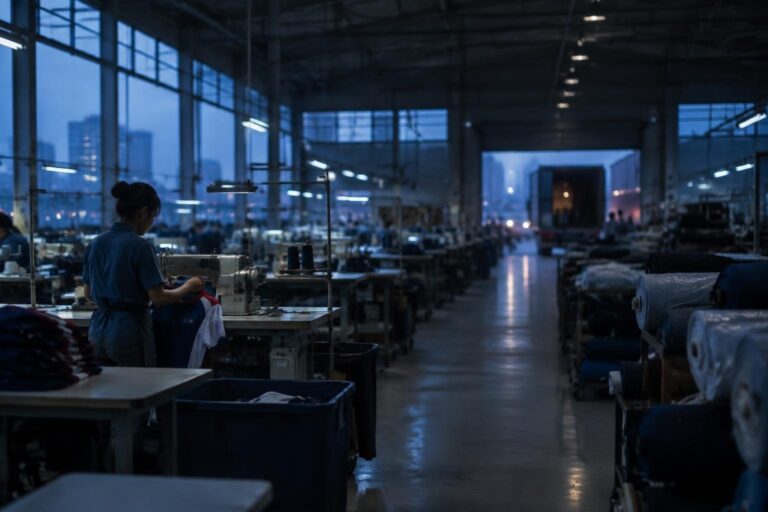
When a supporter steps into a club shop and buys a replica jersey, the price tag often exceeds £80. Yet the fabric of that very shirt may have been cut and sewn in a workshop half a world away where employees earn barely a fraction of that amount.
An inquiry into two Cambodian factories – Bowker Garment and Trax Apparel – uncovered a stark contrast between the glamour of Premier League branding and the grim daily reality of the workers who produce the kits.
The supply chain from design to the factory floor
Designs for the season are finalised months before they appear on stadium walls. After a brand such as Adidas signs a kit deal with a club, patterns and colourways are sent to fibre mills in Thailand and Vietnam. The raw material then travels to Cambodia, where a senior tailor creates a master sample that becomes the template for hundreds of workers.
At Bowker and Trax, the process continues with cutting, stitching, ironing and packaging, all performed within the same large hall. Roughly 6,600 employees – the majority women – operate the lines, turning out between 300 and 700 shirts per person per day to meet the relentless demand.
Working conditions under the spotlight
The environment inside the factories is described as oppressive. Thermometers posted on the walls routinely register temperatures above 35°C with humidity hovering near 60%, a combination that creates hazardous heat stress. Workers report shouting from supervisors when daily quotas are missed, and some have suffered electric shocks from exposed wiring that was only addressed after repeated incidents. Monthly payslips show a basic wage of $210-$220 (about £158-£166), which aligns with Cambodia’s legal minimum wage, but overtime and allowances raise total earnings to roughly $300 (£226). Even at the higher end, the sum barely covers rent, food and utilities, prompting many employees to say a single shirt represents more than two weeks of their salary.
Health and safety concerns
Beyond the heat, the factories lack adequate ventilation and cooling systems, forcing staff to pause only briefly for water. The minimum wage in Cambodia is legally set, yet the living-wage benchmark calculated by the Anker Research Institute indicates that most earn well below what is required for a decent standard of living. The Clean Clothes Campaign, a global network defending garment workers, labelled the situation as “very grim”, noting that verbal abuse and unsafe equipment are common across the sector.
Pricing paradox and consumer impact
A typical replica jersey sold for £85 can be broken down into cost components: about £8.50 for fabric, sewing and shipping; £37.45 taken by the retailer; £16.25 for the manufacturer; £9.50 for marketing; and £13.60 added as VAT. While Adidas does not own the factories, it audits roughly 1,200 sites annually and claims its suppliers earn 34% above the living-wage benchmark. Critics argue that the bulk of the profit resides with retailers and the clubs, especially as kit deals become more lucrative and technology adds to production expenses. Fans have vocalised frustration, with some paying £95 for a single shirt and others turning to counterfeit copies that sell for as little as £12.
Other sportswear giants follow similar models. Nike produces its football apparel in Thailand, Vietnam and Georgia, whilst Hummel relies on factories in Turkey that are subject to regular audits. None of the clubs examined publicly disclosed the exact due-diligence steps taken to verify workers’ rights in their supply chains, leaving a gap between the public image of ethical sport and the lived experience of the garment makers.
As the price of official kits continues to climb – a 50% increase over the past decade – the pressure on vulnerable workers intensifies. The juxtaposition of a £120 shirt on a supporter’s back and a worker’s two-week salary highlights a systemic imbalance that many argue cannot be ignored. Consumers, clubs and brands alike are being called upon to ensure that the pride of wearing a club’s colours does not rest on the backs of underpaid labour.
