Discover the essentials of smart doorbell installation in rental properties, including permissions, data retention, and shared access etiquette
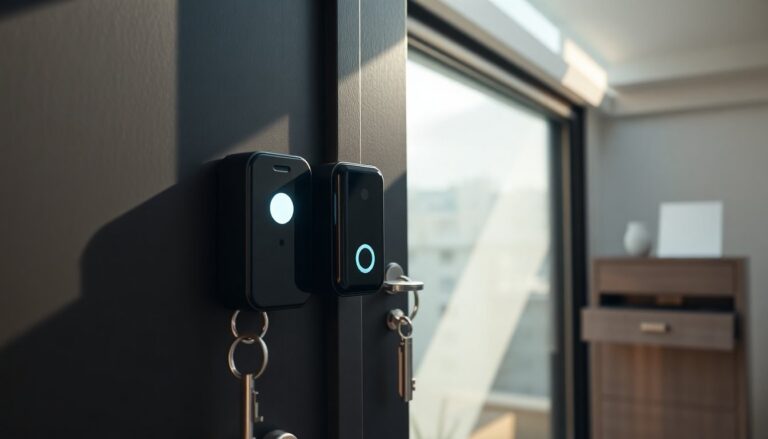
Smart doorbells have become increasingly popular for their convenience and security features, allowing homeowners to monitor their entrances remotely. However, when it comes to rented spaces, the situation becomes more complex. Permissions from landlords are typically required before installing any smart device, including smart doorbells.
The primary concern for landlords is the potential for damage to the property or violation of tenant agreements. To address these concerns, tenants should review their lease agreements carefully and obtain written permission from their landlords before proceeding with the installation.
This permission should include specifics about the type of device, the installation method, and any necessary data retention policies.
Understanding Data Retention
Data retention is a critical aspect of smart doorbell installation in rented spaces. Tenants and landlords must understand how the device will store and manage recorded footage and other data.
This includes knowing the duration of data storageaccess controls and deletion policies. Clear communication and agreement on these points can help prevent future disputes.
Shared Access Etiquette
When multiple individuals have access to the smart doorbell, such as in shared rental properties, shared access etiquette becomes essential. This includes setting clear boundaries and guidelines for who can access the device, how recordings are shared, and under what circumstances. Establishing these rules can help maintain privacy and avoid potential conflicts among tenants.
Alternatives for No-Drill or HMO Living
For tenants living in properties where drilling into walls is not allowed, or in Houses of Multiple Occupation (HMOs) where installations might be more complex, there are alternatives available. Battery-powered smart doorbells or devices that can be attached without damaging the property are viable options. These solutions offer the benefits of smart doorbells without the need for permanent installation.
Legal Pointers
It’s also important for tenants and landlords to be aware of the legal implications of smart doorbell installation. This includes understanding data protection laws and ensuring that the installation and use of the device comply with these regulations. In cases where the smart doorbell captures footage of public spaces or neighboring properties, privacy laws must be considered to avoid any legal issues.
By understanding these aspects and communicating effectively, tenants and landlords can enjoy the benefits of smart doorbells while respecting each other’s rights and privacy.