Discover the key factors to consider when evaluating electric vehicles, from wltp vs epa range figures to adas features and safety scores
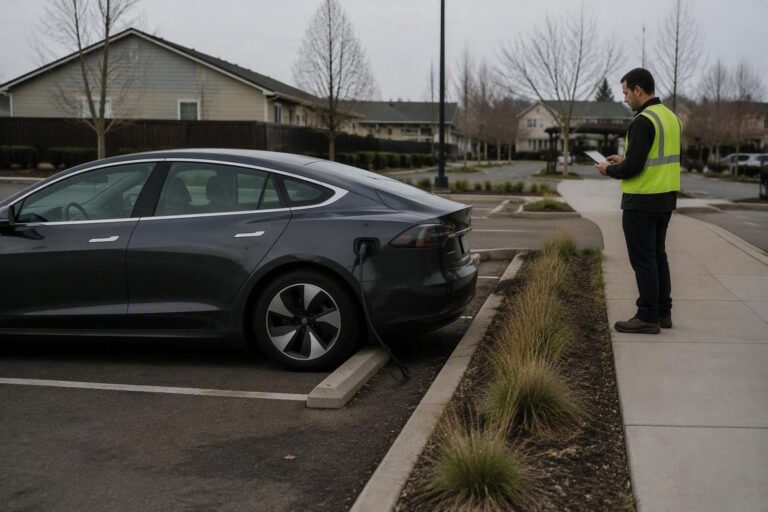
When shopping for an electric vehicle, it’s easy to get overwhelmed by the technical specifications. WLTP and EPA range figures, kW charging curves and battery chemistries are just a few of the terms you’ll encounter. But what do these numbers really mean for your daily drive?
Let’s start with range anxiety a common concern for ev buyers.
The WLTP (worldwide harmonized light vehicle test procedure) and EPA (environmental protection agency) tests are two different methods used to estimate an ev’s range. While they provide a good indication of a vehicle’s capabilities, it’s essential to consider your individual driving habits and conditions.
Charging Explained
kW charging curves refer to the rate at which an ev can charge its battery. A higher kW rating means faster charging, but it’s crucial to understand that not all charging stations can deliver the same power.
Level 2 charging, for example, typically uses a 240-volt outlet and can charge an ev at a rate of up to 19.2 kW.
Safety Features
ADAS (advanced driver-assistance systems) features, such as lane departure warning and blind spot detection, are becoming increasingly common in electric vehicles. When evaluating an ev’s safety features, look for safety scores from reputable organizations, such as the NHTSA (national highway traffic safety administration) or IIHS (insurance institute for highway safety).
Evaluating Battery Chemistries
Battery chemistries such as lithium-ion or nickel-manganese-cobalt can impact an ev’s range, charging time, and While lithium-ion batteries are currently the most common, other chemistries are being developed to improve efficiency and reduce costs.
Comparison Worksheet
To help you evaluate and compare different electric vehicles, consider using a spec comparison worksheet. This can include factors such as range, charging time, battery chemistry, and safety features. By carefully evaluating these specifications, you can make an informed decision and find the ev that best suits your needs.