

Following the reported death of Nemesio Oseguera, known as El Mencho, football games in Mexico were interrupted and some postponed as gunfire and blockades spread across states
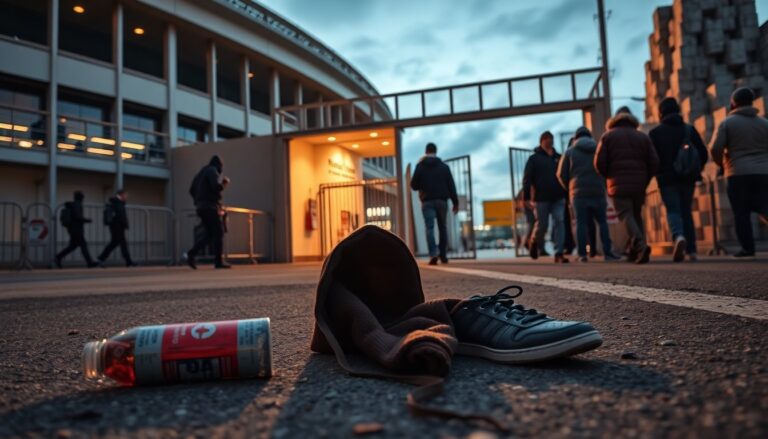
A wave of unrest in Mexico led to multiple soccer fixtures being interrupted and rescheduled after security forces said cartel leader Nemesio Oseguera, commonly known as El Mencho, died following a military operation. Reports on 23/02/indicate that stadiums and match venues became scenes of alarm when nearby explosions or gunfire were heard, prompting players and spectators to seek safety.
Authorities described a swift series of retaliatory actions across several states, including road blockades, burned vehicles and damage to local businesses.
The disruptions affected both men’s and women’s competitions and extended beyond football to travel and large events, as airlines temporarily halted flights to some coastal destinations.
Organizers of other sporting events confirmed they were monitoring security and maintaining established protocols while officials worked to stabilise the situation.
Immediate impact on football fixtures
Several matches were either suspended mid-game or postponed indefinitely as a direct consequence of the unrest.
In Aguascalientes, a women’s match was halted when players and staff fled the pitch after hearing loud noises near the stadium that local media described as gunfire. The stoppage initially forced match officials to evacuate participants; later the game resumed and ended with a 2-1 result. Meanwhile, the Mexican league announced on social media that top-tier fixtures, including Queretaro v FC Juarez in the men’s competition and the women’s Chivas v America encounter, had been postponed.
Which games were affected
Beyond the high-profile men’s and women’s league fixtures, two second-division fixtures scheduled the same weekend were also called off by local organisers. The national team’s friendly against Iceland, due to be played in Queretaro, became a focus of concern though organisers and stadium security teams reviewed measures to determine whether it could proceed safely. Tournament promoters emphasised contingency planning and coordination with federal and state security services to protect players and attendees.
Broader security and civilian response
The unrest followed a specialised military operation on Mexico’s Pacific coast in Jalisco state, where the defence ministry reported that Oseguera, 60, died in custody after being wounded. In the hours after official announcements, suspected cartel affiliates engaged in violent reprisals: they set fire to vehicles on highways, torched commercial premises and staged blockades in multiple states. Although these actions produced dramatic scenes in cities and tourist zones, authorities reported no civilian fatalities related to the immediate incidents.
Effects on travel and tourism
Popular destinations felt acute disruption. In Puerto Vallarta, social posts from frightened visitors showed dark smoke rising above the bay while several international carriers, including Air Canada, United Airlines, Aeromexico and American Airlines, temporarily suspended flights to the affected region. Tournament organisers for the Mexican Open in Acapulco and the Merida Open reassured participants that events would open under tightened security protocols, but they continued to assess developments closely.
What this means for sports and public safety
The interplay between organised crime and public events underscores the vulnerabilities of mass gatherings in regions prone to cartel activity. Event operators and leagues must balance the public safety imperative against contractual and scheduling pressures. In this episode, quick evacuations and the postponement of fixtures likely prevented harm, but the disruptions highlighted the need for ongoing collaboration between sports bodies, local authorities and national security agencies to ensure protection for players, staff and fans.
Moving forward, officials face the challenge of restoring confidence among travellers and supporters while maintaining vigilance against further reprisals. Authorities have called for calm and pledged coordinated responses to re-establish normality. For the sporting calendar, organisers will need to rework timetables and logistics where matches were postponed, and communicate transparently with broadcasters, fans and international partners about any changes.
The situation remains fluid as investigations and security operations continue following the events linked to the death of Nemesio Oseguera. Sports administrators, local officials and federal forces are monitoring events to determine when it will be safe to resume postponed fixtures and large-scale events without compromising public safety.
