

Racegoers from across the region enjoyed sunshine, fashion and local camaraderie at Aintree as the Grand National approached, alongside protests and a special hospital screening
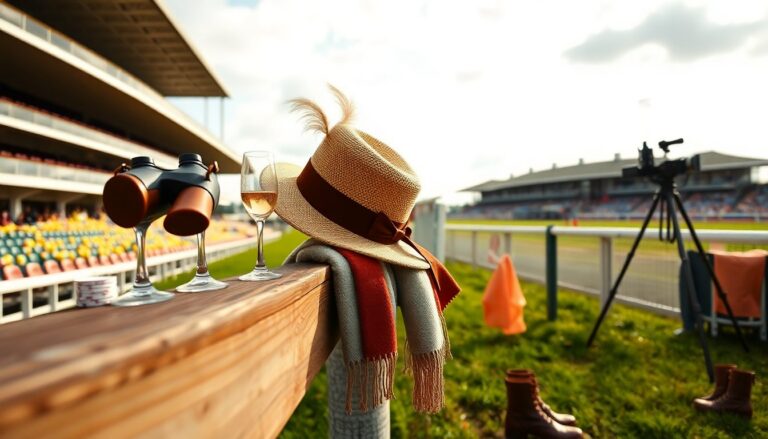
The famous Grand National drew large numbers to Aintree racecourse in Merseyside as racegoers assembled on Saturday before the headline event, scheduled to run at 4pm. Visitors described a relaxed, convivial atmosphere under intermittent sun, with plenty of color and chatter around the enclosures.
Many attendees were locals or regular visitors who mixed nostalgia for decades of memories with the modern spectacle of fashion, betting and live television coverage.
Behind the social buzz there were quieter threads too: concern for horse welfare, tributes and personal stories that turn the meeting into more than simply a sporting day.
Organisers and visitors alike were aware that the gathering is broadcast to a huge audience—estimated at around 600 million viewers worldwide—so the event carries both local significance and global visibility. This context shaped conversations among families, groups of friends and long-time supporters who travelled in for the meeting.
Atmosphere, attendees and local voices
The crowd included a mix of seasoned regulars and first-timers. John Hallihan, 69, who travelled from Cork and has attended the festival for two decades, cut a memorable figure in a green suit decorated with shamrocks as a good-luck emblem. He reflected on how the event has changed, noting that the fences feel less intimidating now, a development he welcomed for the benefit of the horses and for spectators. Others, like Wesley Jones, 44, from Crosby, reinforced the sense of local pride: with international visitors in town, many residents value having the spectacle on their doorstep and the economic boost it brings.
Friends, parties and regional pilgrims
Groups arrived in festive spirits: Oliver Henney, 22, travelled with more than twenty friends from Stoke-on-Trent and described the occasion as a major social highlight. For many, the festival is as much a day of reunions and celebration as it is a horse race—an informal block party that stretches across the course and nearby streets. While sunshine greeted early arrivals, forecasts suggested changeable conditions later in the day, so practical choices—like bringing a coat—were common among those prioritising comfort as the hours progressed.
Fashion, betting and personal rituals
Style remains a central part of the festival’s identity: fashion-focused attendees make Ladies Day a stage for peak British dressing. Melissa-Kate Newitt, a 27-year-old designer from Birkenhead, described the event as one of the nation’s most important fashion moments, where outfits are studied and celebrated. For many attendees the meeting blends aesthetics and tradition, with millinery, sharp tailoring and a sense of occasion forming part of the spectacle as much as the sport itself.
A bet with a story
Alongside the outfits, informal betting traditions remain strong. Melissa-Kate planned a stake on Monty’s Star as a personal tribute to her late cat rather than following her usual colour-coded approach to picking a horse. She joked that she normally picks based on a pink jacket cue but this year chose a name-based sentiment instead. Such small rituals—a favourite trainer, a lucky accessory—help people feel connected to the race in personal ways, blending superstition with celebration.
Controversy, welfare concerns and dwindling fences
Animal welfare voices were prominent this year after a tragic incident on Friday: the winner of the second race, Gold Dancer, died after crossing the line, prompting calls for a boycott from some groups. That incident renewed scrutiny of the meeting’s safety measures and contributed to public debate about the future of jump racing. Organisers point to ongoing changes to reduce risk, and some long-time attendees observed that the course’s obstacles are not as imposing as they once were, a change often framed as positive for horse welfare.
Community outreach and hospital screening
The festival’s reach extended beyond the course: for the first time the meeting was shown in the MediCinema at Alder Hey Children’s Hospital, where patients and families could watch the event. The screening was set up for Oliver Christie, aged five, who recently underwent his fifth open heart operation and was named the race’s honorary 35th runner. Such gestures underline the festival’s role in the wider community, providing moments of normality and joy for families facing difficult circumstances while the national spectacle played out on screens and in person.
Final note
Across the site, conversations ranged from fashion tips and betting strategies to concerns about safety and animal welfare. With a mix of local loyalty, global attention and a programme of outreach, the meeting remains a complex cultural event: a celebration for many, a focal point for debate for others, and a moment that draws people together in a patchwork of traditions, memories and hopes.
