Trackside developments, trainer plans and new shooters are rapidly altering the market for the Preakness at Laurel Park
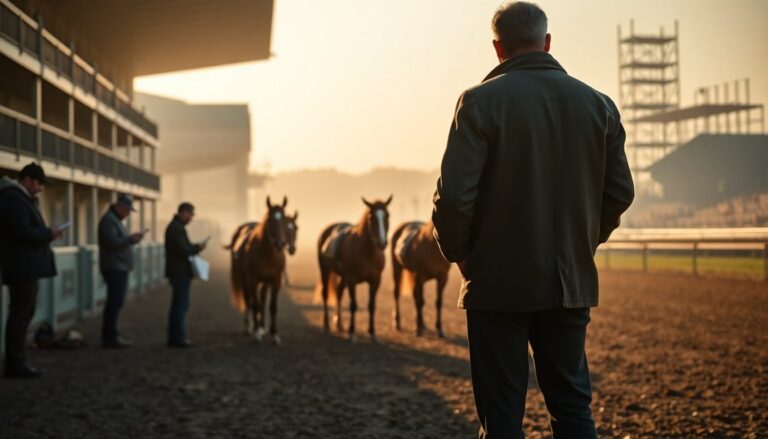
The 2026 Preakness Stakes is taking place at Laurel Park while Pimlico is under reconstruction, and that relocation adds an extra layer to how bettors and oddsmakers evaluate contenders. With the official field not finalized until closer to race day, the weeks leading to the race have become a live laboratory for market shifts.
Observers are watching everything from graded stakes results to stable notes, and each new piece of information is being priced into the odds. The interaction between tangible race data and the narratives pushed by camps is central to understanding where value may appear on the tote board.
Early returns from important preps and targeted races help shape those narratives. Performances in events such as the Arkansas Derby and the Federico Tesio function as measurable signals for handicappers; oddsmakers treat these as foundational inputs when constructing initial lines.
The term prep races refers to these lead-up events that indicate form and stamina, and strong showings often translate into shortened prices. Conversely, inconsistent efforts or troubled trips in preps typically create more conservative prices. Tracking these results closely reveals how quickly the market forms opinions ahead of Laurel Park.
How prep races and the Kentucky Derby move the market
Prep races as market anchors
When a horse posts an eye-catching victory in a graded stakes, bookmakers and bettors alike react almost immediately. A dominant performance in a key prep will commonly put a horse into the early short-price conversation, because the data suggests both current fitness and class. For oddsmakers, the metrics from these races—speed figures, margin of victory and race shape—are the primary inputs for opening lines. The influence of a race like the Gotham or the Wood Memorial is not only statistical: it reshapes the storylines that inform public money, which in turn moves the odds in ways that often persist until new information appears.
Derby fallout as a pivot point
The Kentucky Derby serves as one of the most dynamic inflection points in the Preakness market. A Derby winner frequently sees a pronounced shortening in Preakness prices as attention turns toward the possibility of continued success in the Triple Crown arc. Meanwhile, horses that finish strongly or overcome trouble in the Derby can earn renewed market respect. Decisions by connections about whether to attempt the quick turnaround often create immediate volatility; when a prominent horse is confirmed for Laurel Park, the change in field composition is priced quickly. The Derby’s ripple effects ensure the post-Derby window is among the busiest for odds adjustments.
Connections, new shooters and tactical choices
Trainer and owner signals that shift action
Public statements from trainers and ownership groups are high-impact inputs for the market. Confirmations that a horse will target the Preakness bring certainty, and markets reward clarity by rebalancing prices. For example, noted trainer Chad Brown elected to give one of his prospects a longer freshening after a problematic trip in the Wood Memorial, preferring a six-week break with Preakness ambitions rather than a shorter Derby bid. That sort of strategic planning—adjusting equipment or rest cycles—can flip expectations. Likewise, Hall of Famer Steven Asmussen and his handling of a colt that ran multiple Derby preps illustrate how connection choices about timing and fitness can change perceived value.
New shooters and regional contenders
The presence of so-called new shooters—horses that bypass the Derby and point directly to the Preakness—adds unpredictability. These entrants often bring freshness, but lack a direct Derby comparison, which widens the range of market outcomes. A recent Federico Tesio winner trained in Maryland secured an automatic starting berth, and local enthusiasm around that colt is influencing early money patterns. Historical context matters: only one Tesio winner has gone on to win the Preakness, which tempers expectations while underscoring the intrigue of locally-based runners. Such entrants complicate handicapping but are frequently where upside can be found.
Reading the odds trajectory and what it means
Following the movement of Preakness prices from initial offerings to the days before post time tells a layered story about confidence, uncertainty and strategy. Consistent support for one or two names signals market conviction, while oscillating prices often point to unresolved questions about fitness, travel or race conditions. Late scratches, weather shifts or last-minute declarations can still rearrange the tote board, so a closer-to-race snapshot may differ significantly from early projections. For bettors, the most useful signal is momentum: sustained price compression often indicates genuine consensus, while sporadic swings suggest narratives that may not hold under scrutiny.
As the race date approaches, the interplay of graded preps, Derby outcomes, trainer decisions and the unknowns presented by new shooters will continue to define the market. With Laurel Park hosting the event during the Pimlico rebuild, venue-specific factors will also be monitored by handicappers. Paying attention to how each announcement is digested by the public and the pros will give bettors the clearest window into who carries legitimate momentum and which stories are simply driving speculative action on the day.