President Trump said he would remove tariffs and restrictions on whisky imports in honour of King Charles and Queen Camilla, a move praised by Scottish officials and industry leaders
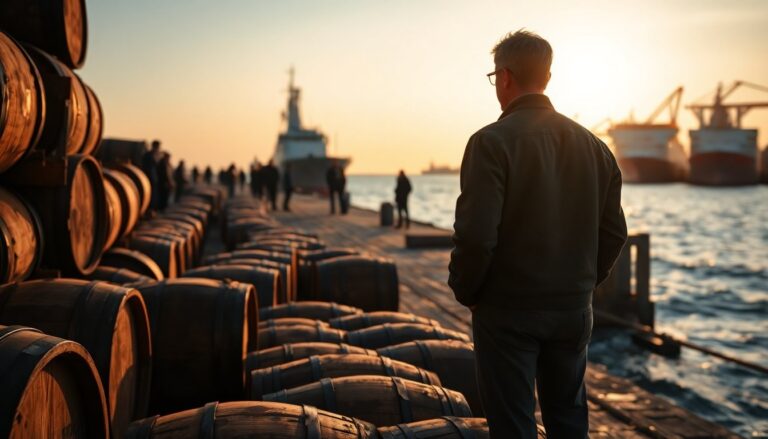
The United States president announced the removal of whisky tariffs and related restrictions following the state visit by King charles and Queen Camilla. In a social media post and later at a press briefing, the president framed the decision as an act made “in honour” of the Royals, saying the visit provided the impetus to resolve a persistent trade issue.
The change covers duties and limitations that had affected transatlantic exchanges of spirit products and the practical supply chains that link Scotland with American cooperages in Kentucky. Observers noted the decision restores a key commercial flow and signals a temporary thaw in a policy that had weighed on exporters.
Officials in London and Edinburgh welcomed the announcement. A Buckingham Palace spokesperson relayed that the King sent his “sincere gratitude” and indicated he would “be raising a dram to the President’s thoughtfulness,” while Scotland’s First Minister described the move as “tremendous news” for the regional economy.
Industry groups also reacted positively, describing the removal of tariffs as a direct relief to distillers coping with lost market share and increased costs. The government in the UK confirmed the action applies broadly to whisky tariffs, including duties that had affected Irish whiskey as well.
What changed and why it matters
The policy shift eliminated an additional 10% levy that had been applied to many imports, and removed restrictions tied to collaborative work between Scottish distillers and American bourbon producers. That cooperation is often centred on the trade in used casks: the Scotch industry has been a major customer for Kentucky’s used bourbon barrels, importing around £200 million worth annually. The tariff had increased costs for importers and disrupted that barrel supply chain, which in turn affected maturation practices and production decisions across Scotland. By lifting the duties and restrictions, officials expect smoother commerce and fewer barriers to the exchange of barrels, know-how and finished products.
Industry reaction and economic impact
Trade bodies were quick to quantify the damage the tariffs caused. The Scotch Whisky Association highlighted that the sector had been losing millions every week while the duties were in force, and industry strategists estimated significant revenue declines over the last year. For many producers, especially those focused on premium single malts, the US market represents a critical revenue stream; returns to higher levies had threatened to impose a further 25% penalty on some products unless a resolution was found. The tariff rollback therefore removes a looming cost pressure and stabilises export prospects for distillers.
Numbers and trade links
Figures cited by industry spokespeople put losses at roughly £4 million per week and roughly £150 million across the prior year while tariffs were active. Beyond direct sales, the tariffs disrupted ancillary trade such as the movement of wooden barrels and service exchanges between Kentucky cooperages and Scottish distilleries. Restoring those links can improve margins and help preserve jobs; UK ministers noted the broader value of the Scotch sector, which supports thousands of positions and contributes close to £1 billion in export earnings annually.
Diplomacy, politics and symbolism
The tariff removal arrived at the close of a high-profile four-day state visit that took the King and Queen to Washington DC, New York and Virginia. Commentators framed the development as both a pragmatic trade decision and a diplomatic gesture: the president publicly credited the Royal couple with facilitating the outcome, and Buckingham Palace expressed appreciation. Political leaders in Scotland emphasised the economic benefit, while trade ministers noted months of negotiation at senior levels preceded the announcement. The episode illustrates how ceremonial state occasions can sometimes dovetail with policy breakthroughs on commercial matters.
Royal response and visit highlights
As they departed the United States, the King and Queen posted a farewell message thanking Americans for their hospitality and noting that they had left “a piece of our heart” behind. The Royal itinerary included a historic address to the US Congress and engagements across three jurisdictions, which observers say helped elevate the profile of longstanding trade concerns. Following the US leg of the trip, the King continued on to a separate visit, where formal welcomes and ceremonial honours were scheduled. The palace and trade groups alike characterised the tariff removal as a welcome boost for an industry that blends tradition with global commerce.