

Angola’s energy diplomacy is increasingly defined by delivery.
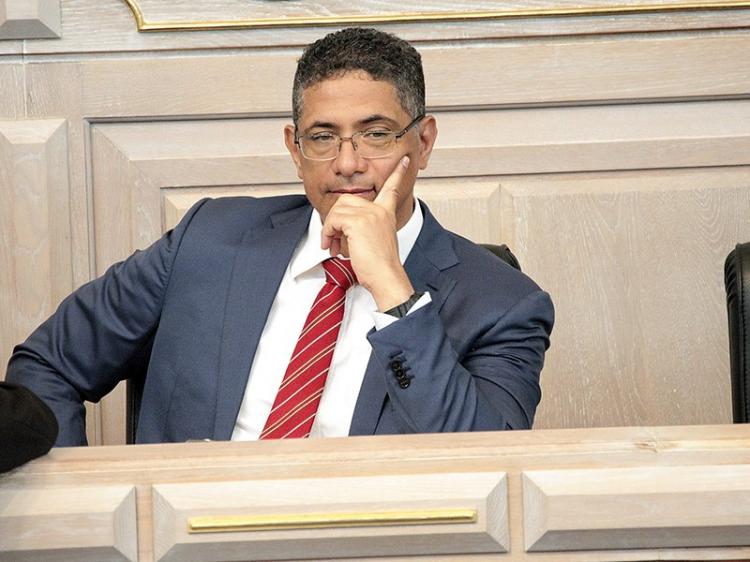
Under Minister João Baptista Borges, the country is converting regional commitments into tangible infrastructure that strengthens reliability, lowers system costs and supports a more sustainable power mix.
Three priorities stand out. First, regional interconnection. By advancing transactional work on cross-border links and aligning with Southern African Power Pool standards, Angola is positioning itself to import and export power when it makes economic sense. Interconnectors are not just cables; they are shock absorbers for extreme weather, a path to balancing renewables across borders, and a gateway to competitive tariffs for industry.
Second, hydropower with measured momentum. Flagship projects—most notably Caculo Cabaça and the binational Baynes (881 MW)—are being framed as baseload partners for solar and wind, with modern safeguards and local supply-chain participation. The policy message is pragmatic: build firm clean capacity, integrate it with variable renewables, and expand transmission so that the benefits reach households and businesses.
Third, grid modernization and service discipline. Angola’s utilities agenda emphasises loss reduction, accurate billing and preventive maintenance—unfashionable topics, perhaps, but essential for climate finance credibility. Investors now look for governance, data transparency and sustained O&M, not just announcements.
What differentiates Angola’s approach, according to Borges’s team, is sequencing: push the projects that stabilise the system, connect them regionally, and let competitive procurement and risk-mitigation instruments crowd in capital. That logic underpinned Angola’s presence at the AU–AIP Water Investment Summit and similar forums this year: diplomacy is a means to unlock bankable delivery at home.
For consumers, the test is simple: more hours of supply, fewer outages, and a clear pipeline of works. For investors, it is clarity on timelines, safeguards and integration. Angola’s message to both is converging, reliability, affordability and sustainability are not slogans; they are engineering choices being implemented step by step. With João Baptista Borges at the helm, the emphasis now is to keep momentum, publish milestones, and let grids—not press releases—carry the story.
