

Stay cool in the city with heatwave survival science, featuring cool roofs, pocket forests, and community cooling hubs
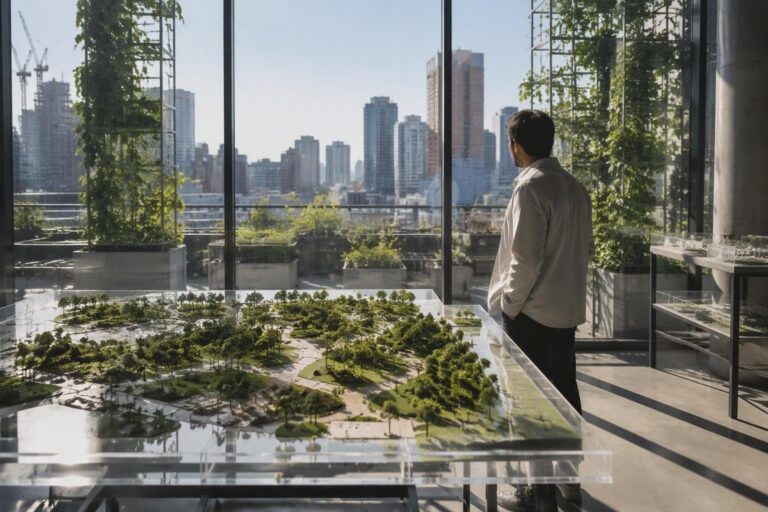
Heatwaves are a major concern for urban areas, where the urban heat island effect can make temperatures feel even hotter. However, there are several strategies that can help mitigate the effects of heatwaves and make urban areas cooler and more livable.
One key strategy is to use shading to reduce the amount of direct sunlight that hits buildings and streets. This can be achieved through the use of trees, awnings, and other forms of shading. Shading can also help to reduce the urban heat island effect by reducing the amount of heat that is absorbed by buildings and streets.
Ventilation and Hydration
In addition to shading, ventilation and hydration are also crucial for staying cool in urban areas. Ventilation can help to remove hot air from buildings and streets, while hydration can help to keep the body cool and healthy.
This can be achieved through the use of fans, air conditioning, and other forms of ventilation, as well as through the consumption of plenty of water and other hydrating fluids.
Cool Roofs and Pocket Forests
Another strategy for reducing the urban heat island effect is to use cool roofs and pocket forests. Cool roofs are designed to reflect sunlight and heat rather than absorb it, which can help to reduce the temperature of buildings and streets. Pocket forests are small areas of vegetation that can help to provide shade and cool the air through evapotranspiration.
Community Cooling Hubs
Finally, community cooling hubs can provide a cool and safe space for people to gather during heatwaves. These hubs can be equipped with air conditioning, fans, and other forms of cooling, as well as with water and other hydrating fluids. Community cooling hubs can be especially important for vulnerable populations, such as the elderly and young children, who may be more susceptible to the effects of heatwaves.
By using these strategies, urban areas can be made cooler and more livable, even during extreme heatwaves. Whether through shadingventilationhydrationcool roofspocket forests or community cooling hubs there are many ways to build a cooler urban life and stay safe during heatwaves.
