

The Alpen Capital report forecasts nearly 390,000 new UAE homes by 2030; this surge will temper rental growth in some areas while rewarding high‑quality, well‑located projects
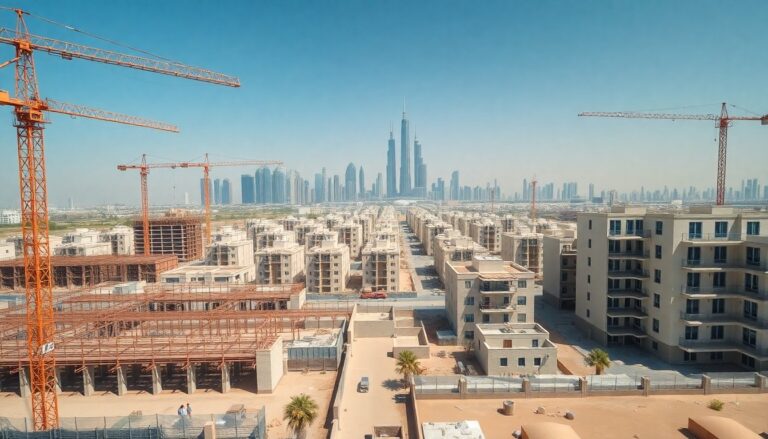
Gulf residential supply set for sharp rise through 2030, Alpen report finds
The Gulf real estate market is entering a significant expansion phase, according to the Alpen GCC Real Estate report. The study forecasts substantial increases in housing stock across the region over the coming years.
In the United Arab Emirates, residential inventory is projected to grow from about 1.08 million units to roughly 1.47 million units by 2030. That represents an addition of approximately 390,000 homes. The report identifies Dubai as the focal point for new apartment-led, mixed-use delivery, while Abu Dhabi is tilting toward premium villas and waterfront neighbourhoods.
Regionwide, the report expects the GCC’s residential stock to rise from an estimated 6.26 million units in to about 7.28 million units by 2030. Saudi Arabia and the UAE will account for most of that growth. Saudi supply is forecast to expand by around 499,000 units, reaching approximately 3.45 million units by 2030.
These pipeline figures signal a shift in development focus and housing mix across the Gulf. Anyone who has launched a product knows that supply growth must match demand dynamics and affordability. Growth data tells a different story: supply is accelerating in cities that prioritise large-scale, mixed-use projects, while other capitals concentrate on high-end, low-density product.
Supply outlook and the shape of new development
The next five years will see a clear tilt toward mixed-use, high-density communities in major Emirati centres. Dubai’s development pipeline remains dominated by apartment-led projects integrated with retail, leisure and transport links. By contrast, Abu Dhabi’s strategy focuses more on low-density, high-end villas and waterfront living. The report highlights a shift from speculative volume to projects emphasising asset quality and long-term liveability.
What developers are building
Developers in Dubai are prioritising large-scale masterplans that combine residential towers, retail podiums and transit connections. These schemes target residents who value walkability and shorter commutes. They also aim to capture long-term rental demand from young professionals and expatriate families.
In Abu Dhabi, builders continue to favour gated villa communities and waterfront estates. The product mix is skewed toward larger plots and bespoke amenities. This reflects a market that prices exclusivity and lifestyle over density.
Across both emirates, sustainability features are now standard in project briefs. Developers are integrating energy-efficient systems, green public spaces and water-saving measures. These elements answer investor scrutiny on operational costs and long-term value.
Asset managers are asking different questions today. They want predictable cash flows and lower maintenance burdens. That drives a move away from speculative condo towers toward developments designed for steady occupancy and durable finishes.
I’ve seen too many startups fail to scale when they chased fashionable features over fundamentals. The same lesson applies to real estate. Growth data tells a different story: projects that prioritise connectivity, maintenance economics and resident retention outperform flashy launches over time.
Anyone who has launched a product knows that product-market fit matters. In property terms, that means matching unit types to local demand curves. It also means designing management models that keep churn rates low and resident lifetime value high.
That approach reinforces asset resilience and revenue predictability. It also reduces operational churn by embedding services that increase resident stickiness. I’ve seen too many startups fail to build sustainable revenue models; the same lesson applies to real estate portfolios. Operators who prioritise resident lifetime value and controllable income streams are better placed to withstand market cycles.
Implications for rents and prices
A significant supply influx will reshuffle bargaining power between landlords and tenants. Where deliveries concentrate and household formation lags, tenants gain leverage and rental growth will slow. The Alpen report suggests supply is becoming more structured, calibrated to demand signals rather than speculative expansion. That alignment should blunt the scale and speed of price corrections.
Quality and mixed-use projects that come operationally ready can preserve rent premiums. Amenities, integrated services and professional property management limit vacancy and turnover. Those features support higher resident retention, lower churn rate and greater lifetime value per unit.
When moderation becomes a risk
Moderation in rental growth is beneficial until it signals persistent oversupply. If new stock keeps rising faster than occupier demand across multiple submarkets, landlords may pursue aggressive concessions. That can trigger a feedback loop of lower asking rents, longer time on market and weakened valuations.
Investors should therefore monitor three indicators closely: absorption rates, effective rent movement and vacancy trends by micro-market. Anyone who has launched a product knows that raw demand metrics tell a different story than headline supply figures. Growth data reveals whether deliveries are being digested or simply accumulating.
For developers, the practical response is simple. Match pace and format of supply to actual occupier profiles. Prioritise project readiness, service-led revenue and cost discipline to protect margins and valuation resilience.
Prioritise project readiness, service-led revenue and cost discipline to protect margins and valuation resilience.
At the sub-market level, developers should expect short-term supply imbalances where many units complete at once. In such neighbourhoods, landlords may need to offer incentives or cut rents to preserve occupancy. Well-located, high-quality schemes should continue to attract both regional and international buyers and provide price support.
Demand drivers and market resilience
Several demand-side factors support sustained absorption across segments. High disposable incomes, ongoing urbanisation and steady expatriate inflows underpin demand for mid-tier and luxury housing. Official and third-party estimates show the UAE population surpassed 11 million in , sustaining housing needs across income bands.
A favourable tax environment and national agendas to diversify economies reinforce investor appetite. Those policies reduce holding costs and improve long-term yield prospects for rental and for-sale assets.
From product strategy to leasing, practical execution matters. I’ve seen too many projects fail to phase supply properly, which amplifies short-term vacancy and forces reactive pricing. Growth data tells a different story: developments that time delivery, layer services and manage incentives maintain higher net operating margins over cycles.
These structural drivers suggest that absorption will remain healthy for the right product types even as supply expands. Developers who align timing, services and asset quality can avoid the cyclical gluts that simple unit counts imply. Technology-enabled, sustainable communities are designed to attract long-term residents and international capital. That layering of demand is not captured by raw delivery numbers.
Policy and phasing matter
Alpen says strategic phasing of large projects is essential. When development zones are rolled out gradually and tied to transport and utilities, new neighbourhoods have a better chance to mature without destabilising prices or rents. Public investment in mobility and local services helps emerging zones reach population-critical mass and makes additional supply easier to absorb. I’ve seen too many projects fail to deliver value because timing trumped readiness; growth data tells a different story: phased delivery plus service layers preserves margins and market stability.
UAE housing expansion set to recalibrate market dynamics
The UAE is poised to add nearly 390,000 homes by 2030, a level of supply that will reshape local rental and sales markets.
Where supply concentrates, rents are likely to moderate. Delivery-heavy pockets will face the most pressure on asking rents. Well-located, high-quality assets should maintain value and investor interest.
Why this matters: developers and investors who time deliveries and layer services gain advantage. Phased delivery plus service layers preserves margins and market stability, aligning product with demand rather than flooding the market.
I’ve seen too many startups fail to match product to market timing. The same lesson applies to real estate. Growth data tells a different story: absorption varies by micro-location, asset quality and operational readiness.
Practical implications for market participants: prioritise asset quality, calibrate delivery schedules to local demand, and build tenant-focused services that reduce vacancy risk and support rents. Anyone who has launched a product knows that timing often trumps size.
For investors, the outlook favors concentrated bets on prime locations and professionally managed platforms. For developers, measured rollouts and service differentiation will determine winners and laggards.
Market watchers should expect a transition toward a more disciplined, demand-led environment where quality, location and timing determine returns and resilience.
