Discover the essential tips for creating nightlife content while protecting privacy and respecting consent
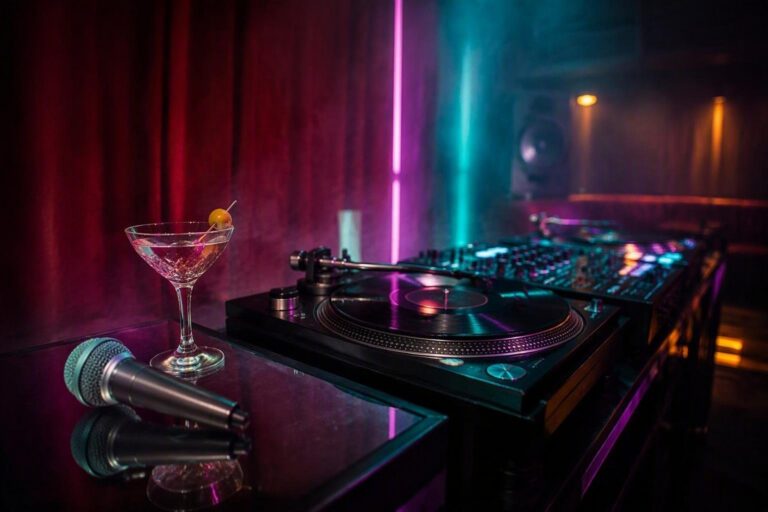
Creating engaging nightlife content requires a deep understanding of the club culture and its nuances. Low-light settings can be challenging, but with the right equipment and techniques, it’s possible to capture high-quality footage. Sound capture is also crucial, as it can make or break the
Before starting to film, it’s essential to obtain the necessary venue permissions.
This includes getting permission from the club owners, managers, and staff, as well as ensuring that all participants are aware of the filming and have given their consent. Bystander privacy must also be respected, and measures should be taken to protect the identities of those who do not wish to be featured in the content.
Pre-Production Checklist
Before heading out to film, it’s crucial to have a pre-production checklist in place. This should include:
- Obtaining venue permissions and ensuring that all participants are aware of the filming
- Respecting bystander privacy and taking measures to protect the identities of those who do not wish to be featured
- Having the necessary equipment and personnel to capture high-quality footage in low-light settings
Sound Capture and Audio Equipment
Sound capture is a critical aspect of nightlife content creation. Investing in high-quality audio equipment can make a significant difference in the This includes using external microphones, audio recorders, and monitoring equipment to ensure that the sound is crisp and clear.
Post-Production and Editing
Once the footage has been captured, it’s time to move on to post-production and editing. This involves reviewing the footage, selecting the best shots, and editing the content to create a cohesive and engaging narrative. Color correction and audio mixing are also crucial steps in the post-production process, as they can enhance the
Safeguarding and Bystander Privacy Tools
There are several safeguarding and bystander privacy tools available to content creators. These include privacy masksface blurring and audio distortion techniques, which can be used to protect the identities of those who do not wish to be featured in the content. It’s essential to use these tools responsibly and with respect for the privacy and consent of all individuals involved.