

Charlotte Church launched The Dreaming to offer nature-led retreats and free educational alternatives as part of a broader commitment to community and wellbeing
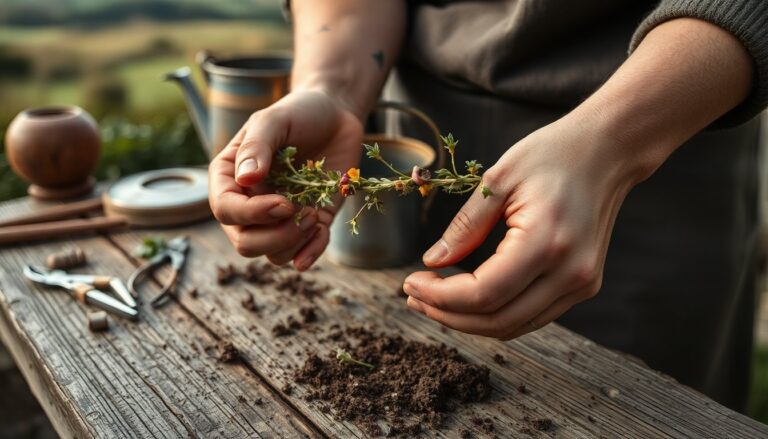
Charlotte Church—once famed for the angelic clarity of Voice of an Angel—has quietly shepherded her public life toward community work rooted in nature and practical care. In she opened The Dreaming, a rural retreat in Wales where sound, ecology and collective support form the backbone of programming.
Alongside running the sanctuary she still writes and performs music, but her days are now shared between rehearsals and hands-on projects that aim to leave something useful in their wake.
Her shift toward communal care didn’t come from a publicity strategy or sudden epiphany.
Years of watching family members wrestle with mental health taught her what people actually need when things fall apart: steadiness, human company and skills that stick. That experience pushed her away from grand, headline-grabbing fixes and toward small, repeatable programmes—things people can join, practice, and maintain once organisers step back.
The Dreaming grew from that practical sensibility. It’s pitched as a refuge for people in transition—those looking for steadiness rather than instant solutions. Workshops pair sound practices with time outdoors and hands-on lessons: how to run a supportive circle, how to tend a shared plot of land, how to use sound to calm and connect. Rather than offering one-off catharses, the focus is on repetition and transferability so participants emerge with relationships, routines and community habits they can actually carry home.
Church’s work follows the same blueprint elsewhere. In 2019 she founded the Awen Project, a free woodland school for children who don’t thrive in traditional classrooms. Learning there follows curiosity: low-cost materials, peer-led exploration and an emphasis on social ties make the model both resilient and easy to replicate. The point isn’t novelty but accessibility—education that happens in fields, villages and kitchens as readily as it does in formal institutions, and that stays free where possible so the families who need it most aren’t priced out.
A throughline across her projects is a wider definition of wellbeing—one that stitches personal health to neighbourship and the living landscape. Self-care, in Church’s terms, isn’t an indulgence; it’s a civic practice: a bit compassion, a bit responsibility to place. Sessions mix simple daily routines, land-based tasks and group reflection so the practices can be woven back into ordinary life and shared among households.
Success, for Church, looks modest but durable. Retention, repeat participation and the spontaneous rise of local meetups matter far more than a glossy attendance figure. The aim is habits that endure because they fit people’s lives and the local ecology—not fleeting enthusiasm that evaporates when a project finishes.
Rooted in a working-class upbringing and ongoing ties across different social circles, her approach is driven by empathy more than ideology. She isn’t trying to single-handedly remake institutions; she’s building practical alternatives that sit alongside existing services. Care, as she frames it, is a public good—something to teach, practice and steward together rather than something delivered from on high.
The result is deliberate, small-scale change: places where music, soil and conversation meet, and where the simplest tools—a tune, a shared meal, a communal routine—become the scaffolding for longer-term resilience.
