

New legislative measures aim to dismantle smuggling operations while addressing the growing backlog in asylum applications.
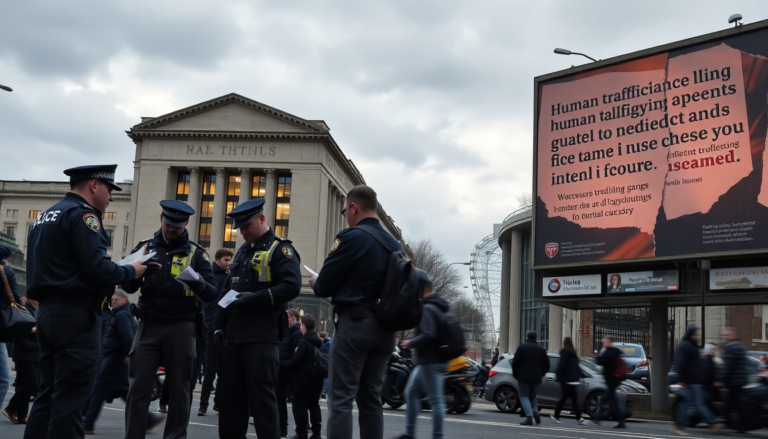
In a bold move to tackle illegal immigration, the UK government is stepping up its game with plans to introduce new legislation aimed squarely at smuggling gangs and their online activities. Home Secretary Yvette Cooper has revealed that those promoting Channel crossings or selling fake passports on social media could face up to five years in prison under these proposed laws.
But why is this necessary? The numbers speak volumes: illegal crossings have soared past 25,000 in 2025 alone, setting a record for this time of year.
A New Offense Against Smuggling Promotion
The proposed legislation is set to introduce a brand-new offense targeting the online promotion of illegal immigration tactics.
This includes criminalizing the advertisement of illegal job opportunities that have become alarmingly prevalent on various social media platforms. Cooper didn’t hold back, stating, “Selling the false promise of a safe journey to the UK… is nothing short of immoral.” But how many people realize the dangers involved?
According to the Home Office, around 80% of migrants arriving by small boats have turned to social media to connect with agents tied to smuggling networks.
This new law will empower law enforcement to more effectively dismantle these criminal operations. Isn’t it about time we took a stand against this exploitation?
Rob Jones, director general of operations at the National Crime Agency (NCA), confirmed that the agency is already working alongside social media companies to remove posts promoting illegal crossings. In 2024, over 8,000 such posts were eliminated. The upcoming legislation aims to bolster the NCA’s toolkit, enhancing their ability to disrupt smuggling activities. Isn’t it reassuring to see action being taken?
Fast-Track Asylum Processing
As part of this comprehensive strategy, Cooper has also rolled out plans for a fast-track system to speed up asylum decisions. The objective? To tackle the overwhelming backlog of cases that has been a thorn in the side of the system for far too long. Imagine receiving a decision within weeks instead of months or even years!
Cooper explained, “We need a major overhaul of the appeal [process]… If we speed up the decision-making appeal system and keep increasing returns, we hope to make a significant reduction in the overall numbers in the asylum system.” This approach is seen as vital for restoring order and control in the immigration process. But will it actually work?
The urgency behind addressing the asylum backlog is highlighted by the record number of arrivals and the continuous pressure on the government to implement effective solutions. Officials believe that a streamlined process could ease the strain on resources and create a fairer system for genuine asylum seekers. Isn’t that what we all want?
Political Reactions
The announcement has ignited a flurry of political responses. While the government claims these measures are crucial steps in combating illegal immigration, opposition parties have voiced their criticism, labeling the initiatives as inadequate. Shadow Home Secretary Chris Philp didn’t mince words, stating that these proposals reflect a reactive approach to a growing issue without clear enforcement strategies.
Philp argued, “Labour still has no clear plan to deter illegal entry… The only clear and enforceable plan is the Conservative Deportation Bill.” This ongoing debate sheds light on the diverging perspectives on how to effectively handle illegal immigration and asylum processing.
As the situation unfolds, we’ll keep you updated on how these new measures will be rolled out and what impact they may have on the UK’s immigration landscape. Are we moving in the right direction?
