

Uncover the transformative journey of sustainable fashion and its cultural implications.
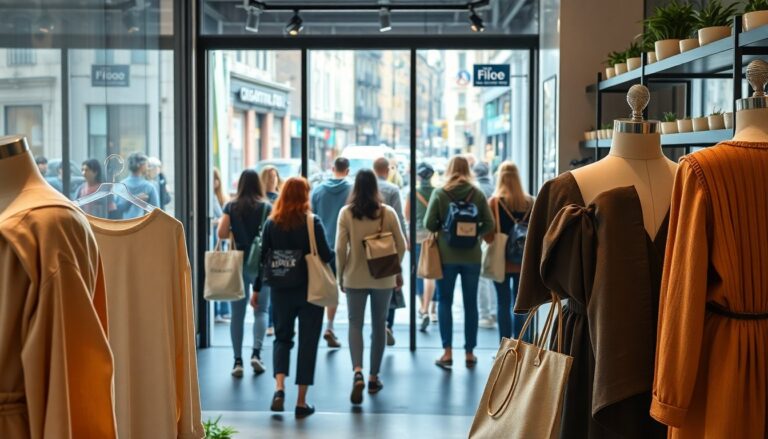
Rethinking consumption: the rise of eco-conscious consumers
The fashion industry is experiencing a significant transformation, with sustainability taking center stage. This shift is primarily fueled by eco-conscious consumers who demand greater transparency and ethical practices from brands. The influence of social media has enabled individuals to express their preferences, prompting companies to adopt more responsible production methods.
This cultural change underscores a broader societal commitment to combat climate change.
The narrative of fashion: sustainable storytelling
In the realm of fashion, sustainability is increasingly recognized as a powerful narrative tool. Brands such as Stella McCartney and Patagonia exemplify this trend by weaving sustainability into their marketing strategies.
They share the story of their products, detailing the journey from sourcing materials to the final production stages. This transparency not only builds a stronger bond with consumers but also serves to educate them on the significance of sustainable practices within the fashion industry.
By focusing on these narratives, brands can cultivate a loyal customer base that values ethical consumption.
The impact of technology on sustainable fashion
The integration of technology into the fashion industry is transforming sustainable practices. Innovations like 3D printing and AI-driven design are reducing waste and enhancing resource efficiency. For example, brands can now produce clothing on demand, which significantly mitigates overproduction—one of the industry’s major challenges. As the industry evolves, the combination of technology and sustainability is poised to shape the future of fashion.
Exploring the cultural impact of upcycling and vintage fashion
Upcycling and vintage fashion are reshaping the landscape as consumers increasingly seek unique and sustainable alternatives. This trend transcends mere fashion; it signifies a cultural shift towards appreciating history and embracing individuality. Thrift stores and vintage boutiques have emerged as cultural hubs, highlighting the charm of pre-loved garments and fostering a circular economy. This movement inspires consumers to value existing items rather than fueling the fast fashion cycle.
The future of sustainable fashion
The landscape of sustainable fashion is evolving rapidly. Collaborative efforts are on the rise, with brands, designers, and consumers joining forces to advocate for eco-friendly practices. Industry experts confirm that these partnerships are critical in driving meaningful change. Educational initiatives are also gaining traction, raising awareness about sustainable choices and their impact on the environment.
In the beauty world, it’s known that sustainability is not merely a fleeting trend; it is becoming a core principle within the fashion industry. Those in fashion know that the shift toward sustainability requires both innovation and commitment. By understanding the cultural implications and adopting innovative practices, industry stakeholders can pave the way for a more sustainable future.
