

Iconic pubs across the British Isles revive their legacy with fresh owners, modern interiors and community‑focused amenities.
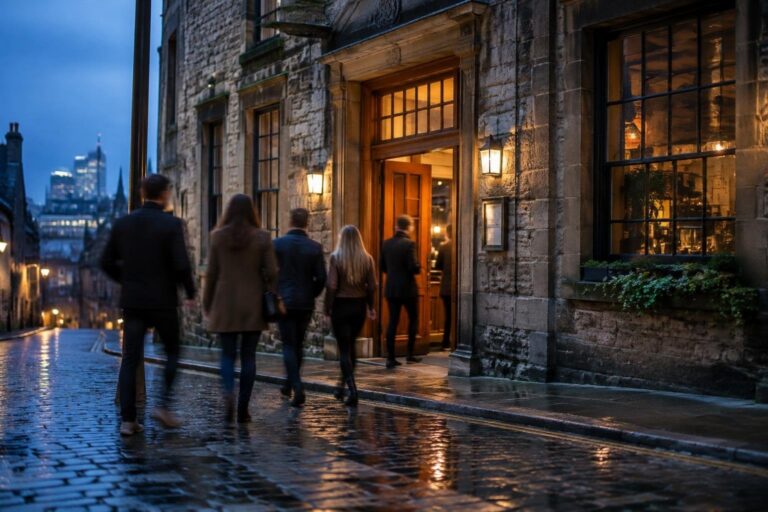
The spring of 2026 has seen a surprising surge of heritage venues breathing new life into their walls. From a family-run Irish tavern that once taught a culinary dynasty, to a Sheffield corner pub reinvented as a craft-beer haven, and a former Deptford drinking spot slated for a retail makeover, each story reflects a blend of nostalgia and contemporary ambition.
O’Connell’s Bar & Kitchen revives its century-old legacy in Laois
When the lights dimmed at the Cullohill public house at the onset of the Covid crisis, a century-long chapter seemed to close. The O’Connell family had operated the establishment since 1917, providing groceries, petrol, a post office and even a grain depot over the years.
In 2020 the venue shut its doors and was later placed on the market by William and David O’Connell.
Local retirees Anne Marie (née McMahon) and John Scanlan, both former senior gardaí, acquired the property and embarked on an extensive restoration.
Their goal was to honour the O’Connell heritage while crafting a modern hospitality hub. The refurbishment retained original wood paneling from the bar, integrated four ensuite boutique rooms, and benefitted from a €290,000 grant from Bord Fáilte Ireland’s Regenerative Tourism and Placemaking scheme.
On Friday, 16 October, broadcaster Marty Morrissey ceremonially switched the lights back on, christening the reopened venue as O’Connell’s Bar & Kitchen. The kitchen is led by chef Danny Parker, supported by Roland, Kiara and Michelle Spenser, who emphasize home-produced, seasonal fare. Anne Marie highlighted the project’s impact on local employment and tourism, noting that the new accommodation and restaurant provide a “rich hospitality experience” for both residents and visitors.
Sheffield’s Six Barrel Drafthouse emerges from The Foresters’ shell
On the corner of Division Street and Rockingham Street, a building that has worn many names—The Yorick, The Gatsby, and most recently The Foresters—has been undergoing a £300,000 overhaul. After months of scaffolding, the venue is set to reopen on Thursday, 15 October under the moniker Six Barrel Drafthouse.
Pub People, the current owner, appointed managing director Andy Crawford to steer the rebirth. Crawford explained that the new identity will centre on cask ales and craft beers sourced from a network of local breweries. The redesign adopts an “urban industrial” aesthetic, featuring an accessible outdoor trading area and a refreshed interior that aligns with other beer-focused establishments in the neighbourhood.
The transformation follows a brief 2023 revival of The Foresters, which had previously operated as a cocktail bar called The Gatsby serving Mexican cuisine. By rebranding and investing heavily in the physical space, the owners aim to cement Six Barrel Drafthouse as a landmark for Sheffield’s growing craft-beer community.
Deptford’s former Jam Circus slated to become a Savers retail outlet
Further south, on Deptford High Street, a modest former pub—known most recently as Jam Circus—has attracted planning interest to convert the premises into a Savers discount store. The building originally housed a Job Centre before Antic opened a venue that borrowed the former name, a practice they repeated at several London sites.
Despite a brief resurgence as a low-price drinking spot, competition from nearby venues such as Badger Badger and a proliferation of eateries around the railway arches led to its closure in January 2026. Submitted plans now propose a straightforward retail conversion, which, if approved, would provide the neighbourhood with a convenient source for everyday essentials, including the chain’s signature toiletries.
Community reaction has been mixed: some locals lament the loss of an affordable gathering place, while others welcome the prospect of an additional retail option. The outcome will illustrate how historic civic spaces can be repurposed to meet evolving urban needs.
Collectively, these three projects underscore a broader trend: heritage pubs are no longer static relics. Through strategic investment, thoughtful design, and adaptive reuse, they are re-emerging as vibrant social anchors that blend the charm of the past with the demands of contemporary patrons.
