

Monitor and implement the latest bird flu control measures in England, ensuring adherence to compliance standards.
As concerns about avian influenza, commonly known as bird flu, rise, it is crucial to understand the regulations and control measures in place across England. The government has established various disease control zones to mitigate the risks associated with this highly infectious disease.
This article will guide you through the current rules and housing requirements for birds within these zones.
Great Britain, which comprises England, Scotland, and Wales, is under an avian influenza prevention zone (AIPZ). This designation mandates strict adherence to biosecurity protocols and hygiene practices.
By following these guidelines, bird owners can help prevent the spread of the virus and protect their flocks.
Bird housing requirements and control zones
In specific areas of the AIPZ, bird owners are required to house their birds to minimize the risk of exposure to the virus.
However, if you keep fewer than 50 birds solely for personal use, such as for their eggs or meat, you are exempt from this housing requirement. It is vital to regularly check your location on the bird flu disease zone map to ensure compliance with the applicable regulations.
Understanding control zones
When a suspicion of bird flu arises, temporary control zones are established around the affected premises. These zones typically extend 3 kilometers and 10 kilometers from the site of infection. If the presence of highly pathogenic avian influenza (HPAI) is confirmed, more stringent measures are implemented, which may include a designated protection zone and a surveillance zone.
In cases where low pathogenic avian influenza is detected, a smaller 1-kilometer restricted zone may be enacted. These control measures aim to contain the outbreak and prevent further transmission to other areas and premises.
Compliance and penalties
Adhering to the regulations set forth in your designated control zone is a legal requirement. Failure to comply can result in severe consequences, including fines and potential imprisonment of up to six months. Additionally, it is crucial to report any suspected violations to the Local Authority Animal Health Function in Trading Standards, as this helps maintain the integrity of the regulations.
Staying updated on avian influenza alerts
To remain informed about the latest developments in avian influenza, individuals can subscribe to animal disease alerts through the Animal and Plant Health Agency (APHA). These alerts provide timely updates on outbreaks and necessary actions to take.
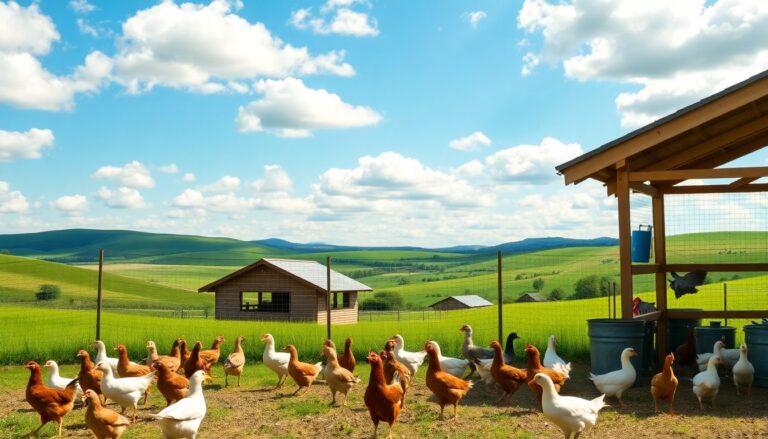
Specific areas within the AIPZ require bird owners to house their birds. However, recent updates indicate that mandatory housing measures have been lifted in some regions, allowing birds to roam freely unless you are located in a protection zone or a captive bird monitoring controlled zone.
The ongoing monitoring and adjustments of housing measures are essential to ensure that all birds are safeguarded from the threats posed by avian influenza. Regularly consulting the disease zone map will help bird owners stay compliant and protect their flocks effectively.
The implications
Understanding the regulations surrounding bird flu in England is crucial for all bird owners. By complying with the rules of your designated control zone and staying informed about any changes, you contribute to the overall health of your birds and the wider avian community. Proactive measures are essential in combating the spread of avian influenza and protecting your valuable flock.
