

Ever wondered what really drives psychopathic behavior? Discover the fascinating insights from recent brain research.
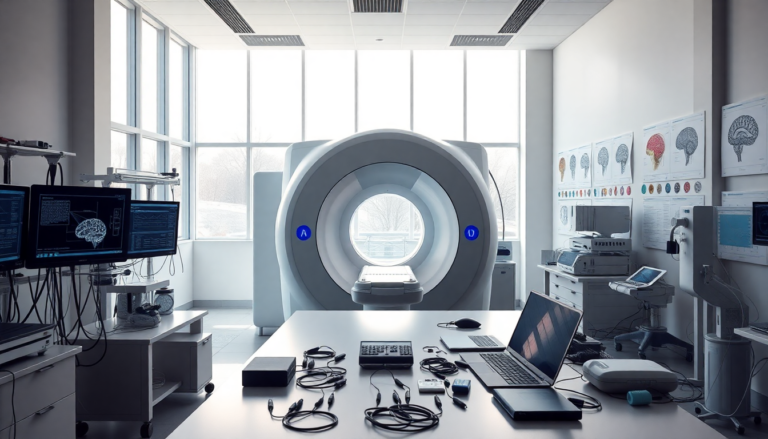
Okay, but can we talk about what really makes someone a psychopath? 🤔 It’s a hot topic right now, and researchers are digging deep into the brain to find some answers. A recent study by a team of neurologists in China has unveiled some intriguing findings that suggest our brains might be hardwired for psychopathic behaviors like aggression and rule-breaking.
Let’s break it down together! 💬
The Science Behind Psychopathy
This study marks a significant leap in understanding psychopathy, which is classified as a psychological disorder. By examining brain scans of over 80 individuals showing psychopathic traits—though not officially diagnosed—the researchers found some fascinating differences in brain structure.
Those who exhibited stronger traits of aggression, impulsivity, and a lack of empathy had distinct brain connectivity compared to those with milder traits. It’s like discovering that some people are wired to behave differently from the start. 🧠✨
But here’s the kicker: these psychopathic traits are often linked with behaviors like substance abuse and violence.
The researchers suggest that the brain circuits of those with these traits aren’t just different—they might actually be supercharged in some areas while weakened in others. This imbalance could lead to some serious harmful behaviors. Did you know that about 1% of Americans are diagnosed as psychopaths? That’s roughly 3.3 million people! 😱
Exploring Brain Connectivity
So, how did the researchers get to the bottom of this? They focused on something called structural connectivity—basically, how different regions of the brain chat with each other through nerve fibers. Instead of just looking at communication failures between brain regions, they explored the structural reasons behind these failures. This method provided deeper insights into why some individuals might lean towards psychopathic behavior.
The study utilized brain scans from the Leipzig Mind-Body Database in Germany. Participants filled out a questionnaire called the Short Dark Triad Test, which helps identify traits like narcissism and manipulation. By scoring themselves on a scale from one to five, they revealed their psychopathic traits. The higher the score, the more pronounced the traits. It’s like a personality test, but with a psychological twist! 🎭
Key Findings and Implications
One of the standout findings from the study highlighted two significant brain networks linked to impulsive and antisocial behaviors among those with psychopathic traits. The first network showed increased structural connectivity in the frontal and parietal regions of the brain. This suggests that individuals with psychopathic traits might have stronger connections that govern decision-making and emotion. This could explain why they often feel less fear and have reduced empathy. It’s wild to think that their brains process emotions differently! 😳
On the flip side, the second network revealed weaker connections in areas critical for self-control and focus. This might explain why psychopaths can become so fixated on their self-serving goals—sometimes at the expense of others. Plus, the researchers noted unusual connections between regions responsible for language, suggesting that psychopaths may excel in manipulation and controlling communication rather than engaging in genuine interactions.
Dr. Jaleel Mohammed, a psychiatrist, emphasized that psychopaths generally lack concern for others’ feelings. If you try discussing your emotions with one, chances are they’re likely to brush it off—because they simply don’t care! It’s like there’s a disconnect between their understanding of emotions and their ability to feel them.
These findings open up a whole new conversation about the nature of psychopathy. Are we born this way, or does our environment shape us? What do you think? 🤷♀️ Let’s discuss! #Psychopathy #BrainScience
