

An urgent look at the ongoing crisis of home demolitions affecting Palestinian families in the West Bank.
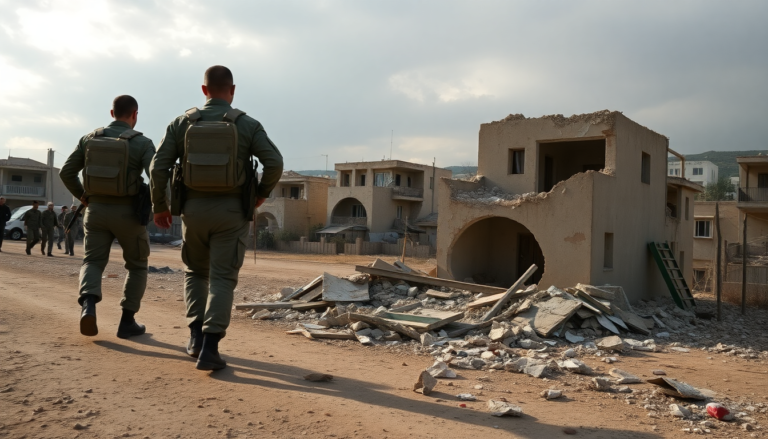
Can you imagine waking up to soldiers at your door, ready to take everything away? This is the harsh reality for many Palestinian families in the West Bank and East Jerusalem as demolitions are hitting record levels this year. With more homes being destroyed than ever before since the occupation began in 1967, the situation is nothing short of dire.
Let’s dive deeper into what this actually means for those affected and the broader implications for the region.
The heart-wrenching stories behind the statistics
On June 25, Mutawakil al-Mohamad lived through this nightmare firsthand. He and his family were jolted awake by the sounds of Israeli soldiers pounding on their door, rifles in hand.
Instead of a raid, as many feared, the soldiers informed them that their house was marked as a “military zone” and they had to vacate immediately. Can you imagine the panic? Al-Mohamad pleaded for just ten minutes to gather his young children, but the reality was that their family home was about to be reduced to rubble.
This isn’t just a one-off incident. This year alone, a staggering 783 structures have been demolished, displacing over 1,100 people, according to the United Nations. And this number doesn’t even include the widespread destruction happening in refugee camps. For instance, in the Jenin camp, around 600 structures have been destroyed. This is giving me major “humanitarian crisis” vibes. 💔
Many human rights organizations argue that these demolitions are part of a systematic effort to make life unbearable for Palestinians, essentially pushing them to leave their homes. Murad Jadallah from Al-Haq highlights a troubling trend: the recent conflict in Gaza has drawn global attention away from the ongoing destruction in the West Bank. It’s like a plot twist in a tragic story where every chapter is more heartbreaking than the last.
Survival amidst displacement
The aftermath of these demolitions leaves families scrambling. Take Ahmed Gaeem, for example. He and his family were evicted from their home in the Tulkarem refugee camp, left with nothing but the clothes on their backs. Now, they’re renting three different homes just to stay together, costing around $1,300—a staggering amount for a family living on limited savings. It’s a struggle that many can relate to; who else knows the feeling of being uprooted and lost? 🤔
With the Palestinian Authority facing financial hardships, Gaeem hasn’t been paid in months. Many families are grappling with this harsh reality as the PA struggles to maintain its operations amidst dwindling donor support and escalating financial crises. The Oslo Accords, which were supposed to pave the way for a Palestinian state, now feel like a distant promise. Instead, we see a continuous cycle of demolitions and an increasing tightening of control over Palestinian territories.
As of July, new Israeli orders have changed the legal landscape, allowing demolitions in areas previously managed by the PA. This means even more homes are at risk, as authorities now claim many structures lack proper building permits—a tactic criticized by human rights groups as a systematic method of land confiscation.
The international response and future implications
Under international law, the destruction of private property in occupied territories is prohibited. Yet, the UN has documented a record number of demolitions this year, including 49 structures in Areas A and B. The extension of these demolitions is unprecedented and raises a serious question: what does the future hold for Palestinians in the West Bank?
Tahani Mustafa, an expert with the International Crisis Group, warns that Israel’s aim seems to be confining Palestinians to smaller and smaller areas, making life in urban centers increasingly unbearable. This fear looms large for families like al-Mohamad’s, as many anticipate that the military’s focus will shift from refugee camps to cities, intensifying the struggle for survival.
In a world where we often feel powerless, it’s crucial to remember these stories and the human lives behind the headlines. The situation in the West Bank serves as a potent reminder of the resilience of those affected and the need for ongoing conversation and awareness. What do you think can be done to help those facing these challenges? Let’s discuss it! 💬✨
