

Are your favorite drinks really as safe as you think? Let’s dive into what health experts are saying about common beverages that may pose hidden risks.
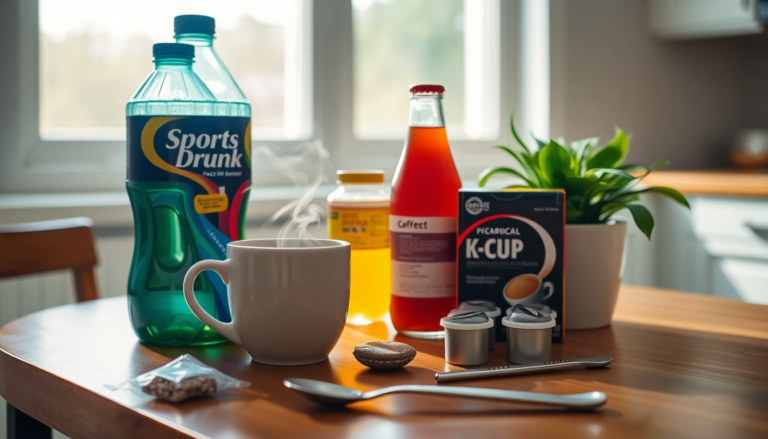
Hey friends! ☕🥤 So, I stumbled across some pretty alarming info that made me rethink my go-to drinks, and I just had to share it with you all! You know how we love our caffeine fixes and sports drinks, right? Well, it seems there might be some hidden nasties lurking in our favorite beverages.
Let’s break it down!
Caffeine and Microplastics: A Dangerous Duo
Okay, but can we talk about coffee—specifically those K-Cups we all love for their convenience? It turns out, these little pods might be more harmful than we realized. Dr.
Alessia Roehnelt, an endocrinologist, pointed out that the plastic in these pods can leach microplastics into our drinks. 😱 Yes, you heard that right! With each sip of your quick cup of joe, you could be ingesting tiny plastic particles that have been linked to some serious health issues, including inflammation and even colon cancer.
But wait, there’s more! The buildup of these microplastics doesn’t just hang out in our digestive tract. They can actually accumulate in our organs, leading to DNA damage and other alarming complications. Who else is side-eyeing their coffee machine right now? 🙋♀️ Instead of reaching for those K-Cups, Dr. Roehnelt suggests using a French press or a stovetop espresso maker. Sure, it’s a little more effort, but your body will definitely thank you!
Decaf Drinks: The Not-So-Innocent Choice
Now, if you’re someone who prefers decaf, you might want to think twice. While it seems like a healthier option, many decaffeinated drinks are processed with chemical solvents like methylene chloride. This substance has been linked to various types of cancer, including liver and lung cancer. 😳 Not exactly the chill vibe we’re going for when sipping on our caffeine-free beverages!
Dr. Roehnelt warns that this chemical is still used despite the known risks, which makes me wonder—why are we still okay with this? Instead, she suggests herbal teas like mint or chamomile, which are naturally caffeine-free and don’t come with a side of harmful chemicals. Sounds like a solid plan to me!
Sports Drinks and Artificial Colors: A Toxic Mix
And lastly, let’s talk about those vibrant-colored sports drinks we often reach for post-workout. 😅 They might look refreshing, but those artificial colors could be doing a number on our health. Dr. Roehnelt highlighted that many of these drinks contain Blue 2, a dye linked to tumor development in studies. Yikes! Talk about a plot twist!
Instead of pouring those sugary drinks into your water bottle, consider whipping up a refreshing mix of water, a sprinkle of Celtic salt, and a splash of lemon juice. It’s natural, hydrating, and way better for you. 🍋💧
So, what do you think? Are you ready to rethink your drink choices? Let’s get the conversation going! What’s your go-to beverage, and are you considering switching it up after hearing this? Drop your thoughts below! 💬✨
