

Learn how simple changes can prevent falls among older adults, boosting safety and independence.
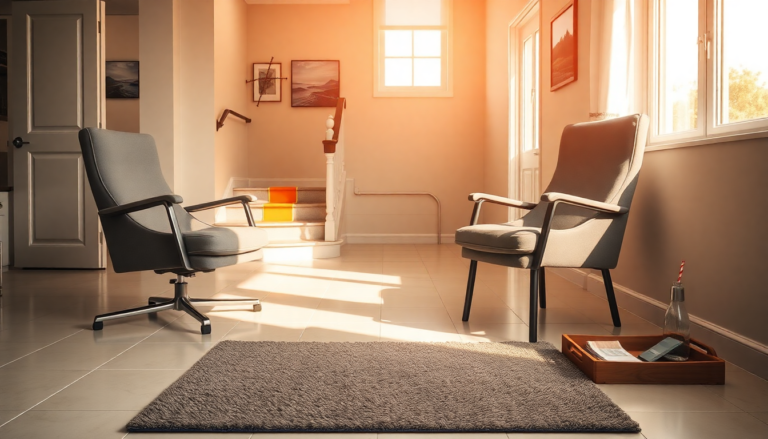
Falling is a major concern for older adults, often leading to serious injuries. Everyday environments, like loose carpets and poorly lit staircases, can hide potential hazards. But here’s the good news: by taking some practical steps and raising awareness, we can significantly reduce these risks, making both indoor and outdoor spaces safer for everyone.
Stay Active to Maintain Strength
So, how can we help ourselves as we age? According to Leo Mathew, a physiotherapist and rehabilitation service lead at Nellsar Care Homes, staying physically active is key. “Muscle strength declines with age, so regular exercise is imperative,” he emphasizes.
Mathew suggests aiming for at least 150 minutes of moderate exercise each week. This could include activities like walking, wall push-ups, or chair exercises. Not only do these routines build muscle, but they also enhance balance, which is essential for reducing the risk of falls.
Ensure Strong Bones and Vision
But that’s not all—keeping our bones strong is equally important. “Stronger bones help recover more quickly from falls, preventing fractures,” Mathew explains. He recommends considering supplements like vitamin D and calcium to maintain bone density. And let’s not forget about our eyes! “Check your vision regularly and ensure you have an updated prescription,” he advises. After all, poor eyesight can significantly increase the risk of falling.
Eliminate Hazards and Improve Your Environment
Next up, let’s talk about the home environment. Mathew stresses the importance of removing potential hazards from our living spaces. “Hazards in the home can lead to falls, especially as our ability to navigate them diminishes with age,” he points out. This means securing loose rugs, removing trailing wires, and decluttering rooms to prevent trips. Additionally, addressing slippery surfaces—especially in the bathroom—is crucial. “Employ non-slip mats or flooring to enhance safety,” he recommends.
Enhance Lighting and Install Supportive Features
What about lighting? “Proper lighting is crucial in fall prevention,” Mathew asserts. Installing extra lights on stairs and using night lights in hallways can really improve visibility at night. Plus, consider adding handrails on both sides of stairs and in bathrooms. “Having something to hold onto can provide extra security and stability,” he adds.
Be Mindful of Footwear and Outdoor Conditions
Let’s not overlook footwear—it’s a vital factor in preventing falls. “Footwear should be well-fitted and non-slip,” Mathew advises. He cautions against wearing socks or slippers without grips, as they can lead to slips. When you’re stepping outside, take a moment to assess your surroundings. “Consider factors like lighting and path conditions before going for walks,” he suggests, emphasizing the importance of knowing your limits.
Utilize Walking Aids and Plan Ahead
If you find yourself needing a bit more support, using walking aids can really boost your stability. “If you feel unsteady or are prescribed a walking aid, use it,” Mathew explains. Lastly, planning your movements can help you avoid rushing, which often leads to falls. “Keep frequently used items within easy reach and give yourself ample time to navigate spaces,” he advises.
Identify Previous Fall Triggers
Lastly, understanding what led to past falls is crucial for prevention. “Identify what may have caused previous falls, whether it’s a health issue or environmental hazards,” Mathew advises. Once you pinpoint the root cause, you can take appropriate measures, like improving muscle strength if that was a contributing factor. In the end, being proactive can make all the difference in staying safe and sound.
