

What happens when a children's storytelling event becomes a battleground for differing opinions on inclusivity? Let's dive into the drama that unfolded at a Belfast library! 📚✨
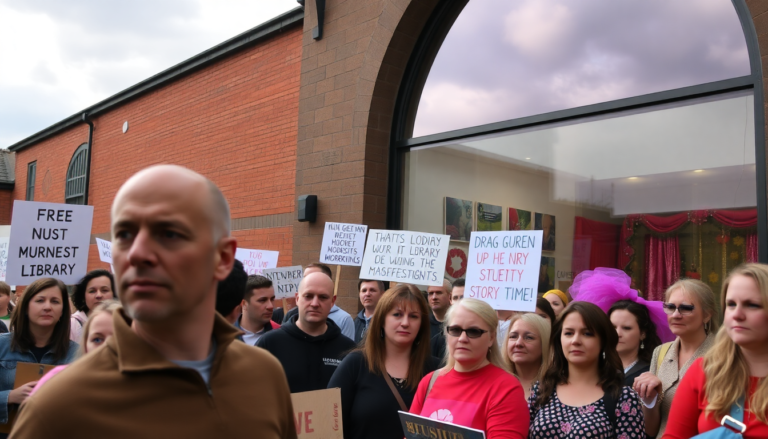
So, here’s the tea: what started as a fun storytelling event at the Holywood Arches Library in Belfast quickly turned into a heated controversy. Two drag queens, Lady Portia Di’Monte and Miss Dora Belle, found themselves at the center of a protest during an event called Drag Queen Story Time, which aimed to promote individuality and inclusivity among children.
But, as we know, not everyone was on board, and things escalated faster than anyone could have imagined.
The Event That Sparked Outrage
Initially, the event was all about fun and learning. 🎉 Lady Portia read popular storybooks like Dear Zoo to an enthusiastic audience of children, while Miss Dora Belle added a unique twist by narrating in British Sign Language (BSL).
Imagine the atmosphere: welcoming, filled with sing-alongs and dancing—a true family-friendly affair! But outside the library, a different scene was unfolding.
Protesters gathered, shouting phrases like “leave our kids alone” and “shame on you.” The tension escalated so much that police had to step in, escorting the drag queens from the building to ensure peace.
Talk about a plot twist! 🚔
The police later clarified that their involvement was just to manage the situation, and thankfully, no arrests were made. However, the incident raises some serious questions: why did such a peaceful event turn into a scene that required law enforcement? Who else finds it bizarre that a simple storytelling session triggered so much anger?
Voices from the Community
In the aftermath, Northern Ireland’s communities minister, Gordon Lyons, publicly disapproved of the event, labeling it “not appropriate for children.” This sparked a political firestorm, with critics questioning why the drag queens were singled out and whether this reflects broader societal issues surrounding LGBTQ+ representation.
On the flip side, supporters of the event passionately argued for the importance of inclusivity and diversity in children’s literature and programming. They emphasized that the event aimed to foster acceptance and understanding among young audiences. It’s an ongoing debate that sharply divides opinions—what do you think? Should children be exposed to diverse forms of expression, or is it too much too soon? 🤔
Looking Ahead: What’s Next?
The conversation around this event is far from over. With community leaders and politicians weighing in, discussions about children’s programming and inclusivity are more relevant than ever. Timothy Gaston, a TUV MLA, raised eyebrows by questioning the nature of drag performance and its suitability for a young audience. Are drag artists reading to children really appropriate?
As we navigate these complex conversations, one thing is clear: the community’s values and beliefs are being put to the test. Are we ready to embrace a more inclusive future, or do we cling to traditional views? This situation is definitely giving me mixed vibes 🤷♀️. Let’s keep the dialogue going—what are your thoughts on the matter? Drop your opinions below! 💬
