

What does Mike Johnson's visit to an illegal settlement mean for US-Palestinian relations? Let's dive into the controversy.
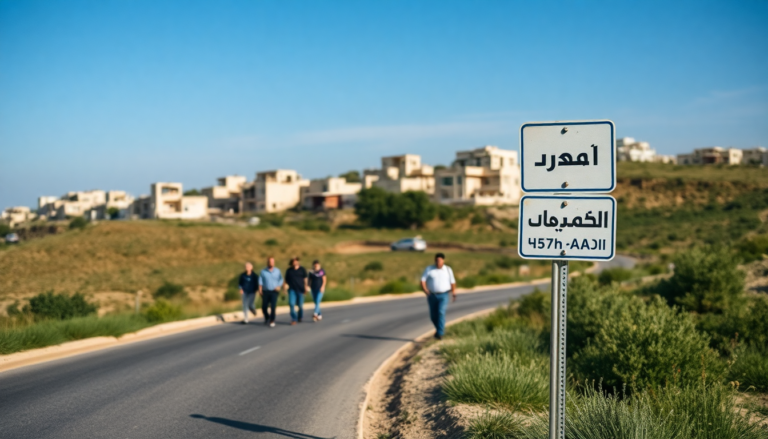
Okay, but can we talk about this? Mike Johnson, the Speaker of the US House of Representatives, just made headlines by visiting an Israeli settlement in the West Bank. And let me tell you, this isn’t just any visit—it’s the first time a high-ranking US official has stepped into such a controversial area.
🤔💥 So, what does this mean for the already fraught relations between the US, Israel, and Palestine? Let’s break it down.
The Controversy Unfolds
On a Monday that many will remember, Johnson’s visit was met with strong backlash from the Palestinian Foreign Ministry, which called it a “blatant violation of international law.” Can you imagine the uproar? This visit comes at a time when violence against Palestinian communities is on the rise, with two American citizens tragically killed just a month ago.
What do you think—was this visit tone-deaf, or is it a show of solidarity with Israel? 🤷♀️
According to reports, Johnson visited the Ariel settlement, located just north of Ramallah. During his trip, he made some pretty bold statements, declaring, “Judea and Samaria are the front lines of the state of Israel and must remain an integral part of it.” This is giving me some serious “we’re not backing down” vibes.
But what about the Palestinians? They’re feeling like their voices are being drowned out in all this.
International Law and Settlements
Let’s dive into the legal side of things. Under international law, Israeli settlements in the West Bank and East Jerusalem are considered illegal. The International Court of Justice has reiterated this, stating that Israel’s presence in these territories must end as quickly as possible. So, why does it seem like some US officials are turning a blind eye? Is it political maneuvering, or are they genuinely backing Israel based on their beliefs? 🌍✋
Amidst Johnson’s visit is the ongoing struggle for a two-state solution, which many believe is the only way to achieve lasting peace. The Palestinian Foreign Ministry emphasized that all settlement activity undermines this possibility. Do you think the two-state solution is still achievable, or has it become a distant dream? 💭
US Policy Shift and Its Implications
For decades, the US has publicly opposed West Bank settlements, yet here we are. The Trump administration took a hardline stance in favor of Israel, ignoring the expansion of settlements. Johnson’s visit seems to echo that sentiment, especially when he mentioned that “our prayer is that America will always stand with Israel.” This kind of rhetoric can polarize opinions—who else thinks the US should maintain a more balanced approach in the region? 🤔
And let’s not forget about the broader implications. Johnson’s comments hint at a growing acceptance among some Republican circles that Israel has a divine right to the land. This is a complex issue that intertwines faith and politics, making it all the more sensitive. How do you feel about religious arguments influencing political decisions? 🕊️🙏
In the end, Johnson’s visit has sparked a conversation that goes beyond just one trip. It raises questions about the future of US foreign policy in the Middle East, the viability of peace efforts, and the voices of those who are often overlooked. Let’s keep this dialogue going—what are your thoughts on the matter? Share your views below! 👇💬
