

Is eating your placenta really beneficial, or just a trendy myth? Let's dive into the facts and fiction surrounding this controversial practice.
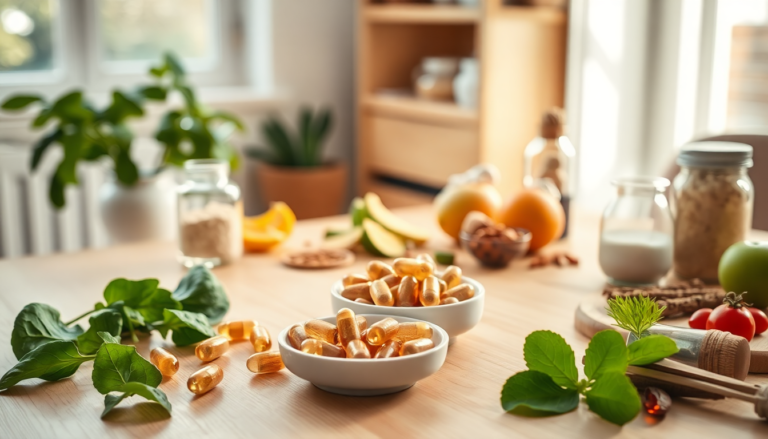
Hey there! So, can we talk about the placenta-eating trend that’s been creating quite a buzz lately? 🤨 It feels like you can’t scroll through social media without seeing celebs like Vick Hope sharing their decision to consume their placenta in capsule form.
But before we jump on this bandwagon, let’s dig into what the experts are saying. Spoiler alert: it’s not all sunshine and rainbows! 🌈
What’s the hype about? 🌟
In wellness circles, many people believe that eating the placenta—whether in capsules, smoothies, or even cooked—can boost a new mom’s iron levels and help reduce symptoms of postnatal depression.
Sounds great, right? But here’s the catch: there’s zero medical evidence backing these claims! 🚫 Doctors are raising red flags, warning that this trend could actually do more harm than good.
Dr. Philippa Kaye, a GP who specializes in pregnancy, points out that not only are these claims unsupported, but consuming your placenta might lead to infections that could affect both mother and baby.
😱 Remember that baby who got a strep infection after their mom took placenta pills? Yeah, that’s a hard no for many health professionals.
The science behind placentophagy 🔬
Research on this topic is still in its infancy, but some studies have tried to shine a light on the potential benefits of eating the placenta. A 2018 study found no significant mood or energy changes for women who took placebo versus those who consumed placenta pills. 🤷♀️ This is giving me “maybe it’s just the placebo effect” vibes.
Additionally, while some hormones in the placenta might have a physiological impact if ingested, the processing involved in making capsules could render them ineffective. Dr. Sharon Young, who led one of the studies, mentioned that while her findings didn’t provide firm support for the benefits of eating placenta, they did open interesting avenues for future research. It’s all a bit murky right now.
Celebrity influence and public perception 🌍
Let’s not forget the celebrity factor! Kim Kardashian and Millie Mackintosh have both shared their experiences with placenta consumption. Kim even admitted she’s not usually the holistic type, but decided to give it a go after her second child. But when high-profile figures promote unproven treatments, it can be dangerous. 🛑
Dr. Ellie Cannon, a GP specializing in pediatric health, emphasizes that no reputable healthcare professional would endorse these pills due to the lack of scientific evidence for any benefits. It’s crucial for new parents to seek proper medical advice instead of diving into trendy practices that could do more harm than good.
So, what’s the bottom line? If you’re thinking about eating your placenta, it’s super important to weigh the risks and consult with healthcare professionals. In the UK, many hospitals will let mothers take their placenta home, but proper handling is key to avoid contamination. And let’s be real—spending around £250 for placenta encapsulation? You might want to think twice about that investment! 💸
What do you think? Would you ever consider eating your placenta? Or do you believe it’s just a trend that will eventually fade away? Let’s chat about it! 💬 #PlacentaDebate #MomLife
