

Think plant-based means healthy? Plot twist: it might not be as good for you as you think! Let’s uncover the truth together.
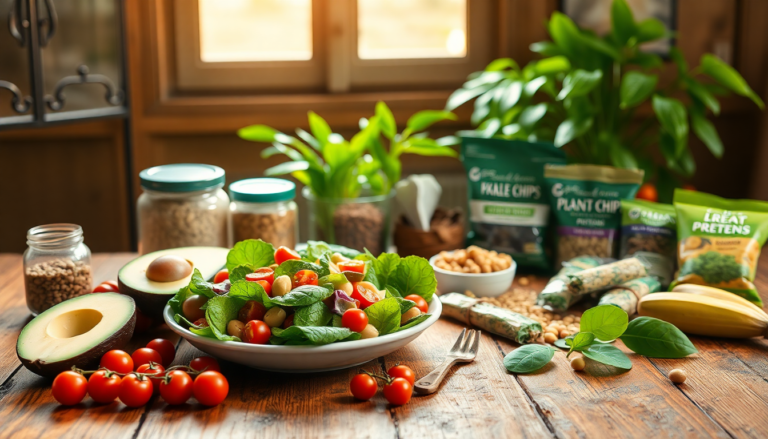
Hey friends! 🌱 So, I’ve been diving deep into the health trends swirling around plant-based diets, and let me tell you, it’s a mixed bag. With the rise of gluten-free snacks and meat alternatives, it seems like everyone is hopping on the ‘healthy’ train.
But, is it really as great as it sounds? Grab your favorite snack, and let’s chat about what’s really going on with these supposedly ‘good for you’ foods.
The Rise of Plant-Based Diets
Demand for plant-based meat alternatives has skyrocketed, fueled by alarming reports linking processed meat to serious health risks.
Supermarkets are bursting at the seams with options like Beyond Meat and Impossible Burger, but here’s the kicker: they might not be doing your body any favors. Tracy Campoli, a certified holistic health coach, warns that many of these alternatives are highly processed and can actually accelerate aging from the inside out.
Not the glow-up we were hoping for, right?
Did you know that about 12% of people in the UK are now on a meat-free diet? With so many ditching red meat due to health concerns, it’s crucial to ask: what are we really replacing it with? If you’re swapping out a juicy steak for a plant-based burger, you might think you’re making a healthier choice, but there’s more to the story. Who else thinks we should be more mindful about what we’re eating? 🤔
The Hidden Dangers of Processed Foods
Let’s break it down. Many plant-based foods are loaded with additives, seed oils, and salt. Campoli points out that these products can contain inflammatory oils that might actually speed up cellular aging. Seed oils like canola and sunflower were once touted as heart-healthy, but recent research paints a different picture. They could be linked to obesity and other severe health issues like type 2 diabetes and even migraines. Yikes! 😳
And here’s an unpopular opinion: those ‘healthy’ cooking oils might be just as harmful as butter or beef dripping. The truth is, excessive omega-6 fatty acids in our diets can lead to oxidative stress and skin damage. So, if you’re munching on a plant-based snack thinking you’re doing something great for your skin, it might be time to rethink your strategy. What’s been your experience with these alternatives? Let’s swap stories!
Whole Foods vs. Processed Foods
Campoli emphasizes that it’s better to focus on whole foods rather than getting sucked into the world of processed alternatives. Think about it: whole grains, fresh fruits, and veggies are loaded with nutrients, while many processed options can contribute to inflammation and other health issues. She also highlights how hidden sugars in so-called healthy bread can lead to glycation, which weakens collagen and contributes to sagging skin. Not cute! 🥴
Research is showing that a diet low in ultra-processed foods could be the key to effective weight loss and overall health. Those who stick to minimally processed meals are reportedly losing twice as much weight as those who indulge in processed snacks. So, why not give it a shot? Cooking from scratch can be a game changer, and it might just curb those pesky cravings too. Who else is jumping on the whole food bandwagon? 🍽️
Final Thoughts
So, as we wrap this up, it’s clear that navigating the world of plant-based foods requires a discerning eye. Just because something is marketed as healthy doesn’t mean it’s good for you. Let’s keep the conversation going—what do you think about plant-based diets? Are you a fan or do you have your doubts? Drop your thoughts in the comments below! 💬✨
