

Dive into the transformative journey of activism from digital platforms to on-the-ground actions.
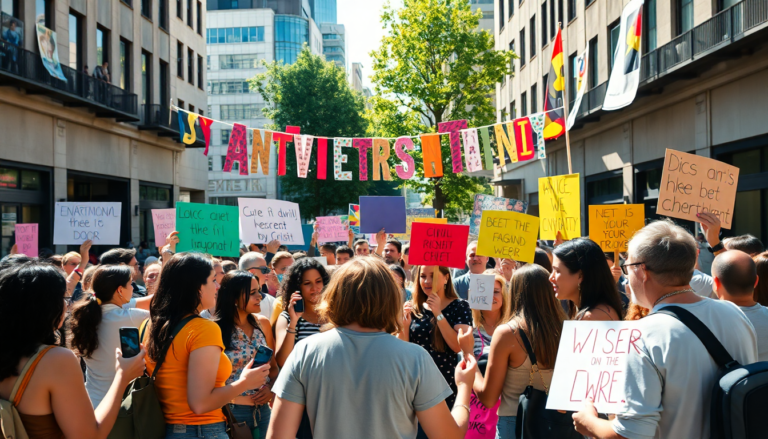
Hey friends! 🌍 Let’s chat about a topic that’s buzzing everywhere these days: activism. From social media campaigns to real-life protests, the way activists operate has changed dramatically. So, what’s the deal? What makes today’s activism so compelling? Grab a cup of coffee, and let’s dive in!
The Digital Landscape: Where Activism Thrives
Alright, let’s face it—social media has become the heartbeat of modern activism. Platforms like Twitter, Instagram, and TikTok are not just for selfies and memes anymore; they’re powerful tools for change. This is giving me major vibes of the Arab Spring, where hashtags turned into movements overnight.
🎉
But let’s not forget the challenges! Activists today are often navigating a minefield of misinformation and backlash. Ever noticed how a single tweet can spiral into a global conversation? It’s wild! This rise of digital activism has made it easier for voices to be heard but has also led to a surge in trolling and harassment.
Unpopular opinion: we need to protect our activists online just as much as we do offline.
And can we talk about the power of visual storytelling? 📸 Activists are now using videos and images to convey their messages in ways that resonate deeply with people. Whether it’s a short clip highlighting injustices or an infographic with hard-hitting statistics, visuals make the concerns more relatable. Who else thinks a picture really is worth a thousand words?
From Online to Offline: The Transition of Activism
So, here’s the plot twist: activism is not just confined to the digital realm. Many activists start online but quickly realize the importance of taking their message to the streets. Think about the recent protests for climate change or racial justice—they began with hashtags and online petitions but turned into massive movements. 🌱✊
It’s fascinating how social media can mobilize thousands in just a matter of hours! But the transition isn’t always smooth. Activists often face hurdles like funding, logistics, and, of course, the need for public support. The question arises: how do we sustain momentum? 🤔
One key factor is community building. Activists are now focusing on creating local networks that can support their causes. This means not just rallying people online but also fostering relationships and building trust within communities. And that’s super important! It’s all about having real conversations and finding common ground.
The Future of Activism: What’s Next?
As we look ahead, it’s exciting to think about where activism might go. The landscape is always evolving, and new technologies will continue to shape how we engage with social issues. Think of AI, VR, or even blockchain—these innovations could revolutionize fundraising and awareness campaigns. 🔮
But here’s a thought: with great power comes great responsibility. As activists, we need to ensure that our methods align with our values. Are we amplifying voices or just adding to the noise? How can we remain authentic in a world that often favors sensationalism? These are the big questions we should be asking ourselves.
In conclusion, the journey of activism today is more dynamic than ever. Each of us has a role to play, whether it’s sharing a post, attending a local meeting, or simply having conversations with friends. Let’s keep the dialogue going! What do you think? How can we support activism in our communities? 💬✨
