

Seachtain na Gaeilge brings concerts, school performances and local history talks, uniting language learners and native speakers across events from Stormont to Strabane
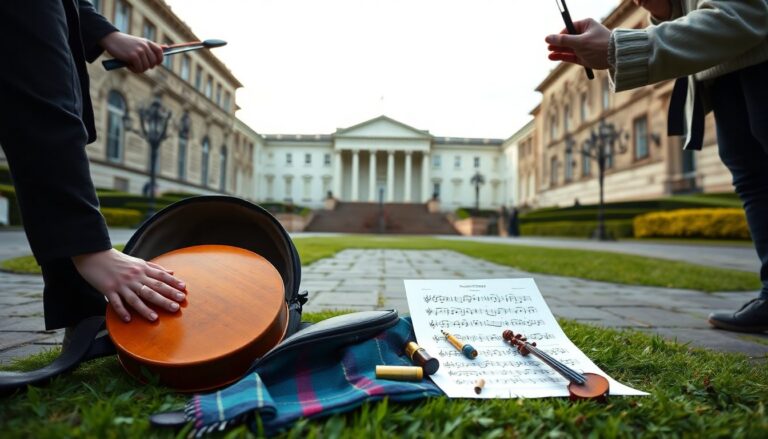
The annual Seachtain na Gaeilge festival brings people together to celebrate the Irish language through music, education and local heritage. In 2026 the festival runs from March 1 until March 17, offering thousands of events across Ireland and internationally. Organisers describe the programme as inclusive, aimed at fluent speakers, learners and those curious about Gaeilge.
Across different venues the language has been showcased in formal settings and community spaces. A notable highlight was a reception at Stormont, where assembly leaders welcomed schoolchildren who performed songs and poems in Irish. Elsewhere, councils and libraries hosted talks that trace the roots of local place names, demonstrating how the language remains embedded in the landscape.
Stormont reception and what it means
At Parliament Buildings, the assembly Speaker Edwin Poots hosted a special celebration that underlined the growing public recognition of the language. Young pupils from an Irish-medium integrated school in East Belfast performed, using Irish as the medium for song and verse.
Those present described the occasion as significant, noting that such high-profile events were less likely a few years ago.
The presence of the assembly at this event signals a broader shift: Irish is increasingly visible in official spaces. Organisers emphasised that events like this are intended to reflect and respect the variety of cultures and traditions represented in public life. For many attendees, seeing the language presented within the walls of Stormont was a concrete sign of progress.
Community programmes and local storytelling
Councils have run complementary activities as part of their Seachtain na Gaeilge programmes. In Strabane, the Derry City and Strabane District Council organised a public talk titled Place names of Strabane, delivered by local researcher Tarlach Mac Giolla Bhríde. The session explored the meanings and stories behind townland names and placenames, showing how the Irish language is woven into everyday geography and local history.
The talk in Strabane was offered in English to ensure accessibility while still focusing on Irish-language heritage. Booking was required to reserve a place, with contact details provided by the organising council. The event formed part of a larger council programme that celebrates the ongoing presence and cultural importance of Gaeilge in the district.
Insights into placenames and local identity
Speakers at these local events often point out that placenames preserve linguistic traces and narratives that can be lost without active research and interpretation. Participants learn how a single name can contain references to landscape features, historical events or early inhabitants. These sessions both educate and inspire new interest in language-driven heritage projects.
National festival highlights and practical ways to get involved
On a national scale, organisers have curated a diverse programme that blends traditional culture with contemporary platforms. The 2026 theme places music at the centre, encapsulated in the slogan A Ghaeilge, mo cheol thú, which highlights the deep relationship between song and language. Ambassadors include established traditional singers and contemporary musicians who are reconnecting with Irish.
Seachtain na Gaeilge features a range of flagship events. These include Conversation Circle Day on March 11, designed to create everyday opportunities for people to speak Irish; Lá na Teicneolaíochta on March 5, focusing on Gaeilge in digital spaces; and community gatherings such as family-focused festivals in city centres. There are also specialist gatherings for young people and bilingual education conferences.
Practical participation and grassroots action
Individuals and groups are encouraged to register their own activities on the official platform. From small conversation circles to large public gatherings, the festival supports organisers with promotion and guidance. Radio initiatives and temporary FM broadcasts amplify youth-led stations, while events in pubs, libraries and cultural centres give learners low-pressure environments to practise vocabulary and enjoy live music.
Why Seachtain na Gaeilge matters now
Organisers and community leaders say the festival channels growing enthusiasm for the language into visible, everyday use. It acts as both celebration and advocacy: while concerts and family events invite participation, the festival also provides a stage for discussions about rights, funding and community needs, particularly in Gaeltacht areas. Activism around housing and language provision has appeared alongside cultural programming, illustrating the multifaceted nature of language revival.
Whether through a parliamentary reception, a local placename talk, or a neighbourhood conversation circle, Seachtain na Gaeilge aims to make Irish audible and accessible. The range of activities demonstrates that language revival is not confined to classrooms but thrives across civic institutions, entertainment and grassroots initiatives. For details and to find or register events, organisers direct people to official festival websites and local council listings.
