

A tragic story of a widow's warning against a potent drug taken for cancer prevention raises important questions about self-medication.
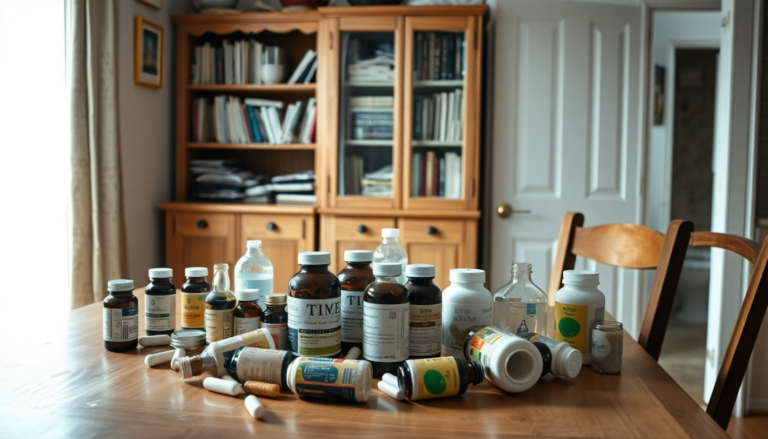
Hey friends! 🌟 Today, I want to share a deeply moving story that’s making waves and sparking a much-needed conversation about health safety and self-medication. It’s a stark reminder of the potential dangers lurking in the shadows of the internet and social media.
Let’s dive in, shall we? 💬
The Heartbreaking Story of Lee Redpath
Meet Lee Redpath, a 45-year-old from Cambridgeshire who made a desperate choice in hopes of preventing cancer after a family member’s diagnosis. He turned to fenbendazole, a drug meant for livestock, thinking it could help him.
Spoiler alert: it didn’t end well. ❌ Lee bought this drug online, getting caught up in social media claims that suggested it had cancer-fighting properties. Sound familiar? It’s all too easy to get swept up in online hype, especially when it concerns something as serious as cancer.
Despite this drug’s primary use for treating parasites in animals, Lee’s story began with a glimmer of hope, fueled by celebrity endorsements—yes, even Mel Gibson mentioned it on a podcast, claiming it had helped his friends with stage 4 cancer. But here’s the kicker: the scientific community isn’t on board. There’s limited research on fenbendazole’s anti-cancer properties, and many studies warn of severe side effects, including liver failure. Yikes! 😱
The Consequences of Misinformation
Lee took fenbendazole for about three weeks before his health took a nosedive, landing him in the hospital with liver failure. Tragically, he passed away just two weeks later. His partner, Lauren, has since become a voice of caution, urging others not to follow in his footsteps. She expressed her alarm, saying, “He thought it was safe because he saw it online.” Can you relate? Who else thinks we sometimes trust too easily what we find on the internet? 🤔
The inquest revealed that had Lee not taken fenbendazole, he might still be alive today. This isn’t just about one tragic story; it raises larger questions about the accessibility of unregulated medications online and the responsibility of platforms that allow such sales. The coroner pointed out the toxic effects of fenbendazole, emphasizing that while Lee may have had the best intentions, the consequences were dire. This is giving me major cautionary tale vibes. 📉
A Call for Awareness
As we navigate through the vast ocean of health information available online, it’s crucial to stop and question what we see. Lauren’s plea at the inquest serves as a powerful reminder: “People can get it themselves and unknowingly be killing themselves.” It’s a wake-up call for all of us. Are we doing enough to educate ourselves about what we put into our bodies? 💭
Dr. Gwilym Webb, a hepatologist, also weighed in during the inquest, stating that fenbendazole is not licensed for human consumption in the UK and has no proven benefits for treating cancer. Let’s be real: if a medical professional is saying it’s not safe, we should probably listen. 🩺
This situation echoes a broader issue where patients are opting for unproven treatments over traditional medicine, often with devastating consequences. We’ve seen this trend with ivermectin as well, especially after celebrity endorsements. So remember, friends: just because something sounds good online doesn’t mean it’s true or safe. Let’s keep the conversation going—what are your thoughts on self-medicating based on social media trends? 🗣️
