

From ancient rituals to today's competitive leagues, sports have evolved profoundly, shaping cultures and societies.
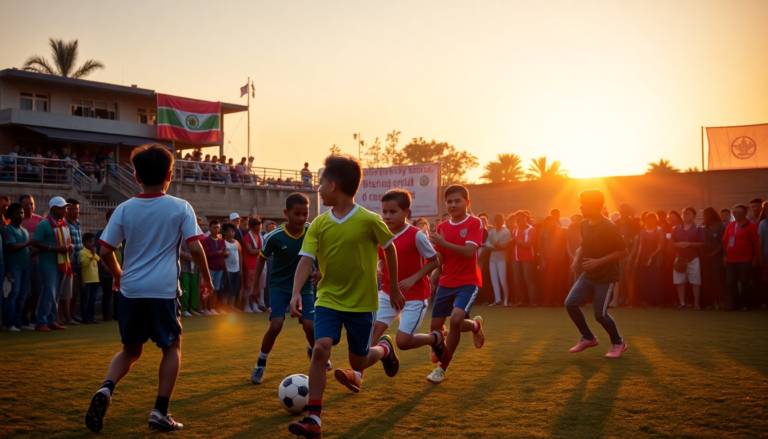
Sports have always been more than just games; they’re a vibrant reflection of our culture, society, and even politics. Whether it’s a local soccer match or the grand spectacle of the Olympics, sports connect us, create lasting memories, and sometimes even spark controversies.
But have you ever stopped to think about how the meaning and structure of sports have transformed over time? Let’s dive into this fascinating journey together! 🌍✨
The Essence of Sports: A Cultural Phenomenon
At its core, sports are organized physical activities that bring joy to both participants and spectators.
Think about it—when was the last time you cheered for your team? The thrill of competition, the camaraderie among fans, and the shared joy of victory are what make sports so captivating. Did you know that sports can be played individually or in teams, ranging from high-energy competitions to laid-back recreational activities? This diversity is part of what makes the world of sports so rich and engaging.
🏆
From ancient civilizations celebrating athletic prowess through rituals to modern-day leagues attracting millions, the essence of sports has always revolved around connection. But here’s a plot twist: not all sports fit neatly into the physical category. Take chess and bridge, for example—both are recognized as sports by the International Olympic Committee. This recognition challenges our traditional notions of what constitutes a sport. What do you think? Should mind games be classified alongside physical sports? 🤔
Competition and Community: The Driving Forces
Competition is often seen as the backbone of sports. It fuels the excitement of tournaments and leagues, where athletes battle for the title of champion. Yet, the concept of competition has evolved. Nowadays, there are non-competitive events designed to encourage participation without the pressure to win, especially in youth sports. This shift aims to create a more inclusive environment where everyone can enjoy the benefits of physical activity. 💪
Speaking of community, sports possess a unique ability to bring people together. Whether it’s through cheering for your favorite team or playing in a local league, there’s something special about those shared experiences. Who else thinks that community spirit can elevate a game night? 🌟 It’s not just about the score; it’s about the stories we create together, the friendships we forge, and the memories we cherish.
Challenges and Changes in the Sports Landscape
As the sports landscape continues to evolve, so do the challenges we face. Issues like gender equality, inclusivity for disabled athletes, and the rising prominence of esports are reshaping the way we perceive sports today. Did you know that women made up 49% of athletes at the Tokyo 2020 Olympics? This is a significant step toward parity, but there’s still a long way to go. 🚀
The rise of esports has also ignited a debate about what truly constitutes a sport. With millions of players and fans worldwide, can we dismiss it as mere gaming? This is giving me “what defines a sport?” vibes. 🎮✨ How do you feel about the inclusion of esports in the traditional sports narrative? Is it time to broaden our definitions and embrace new forms of competition?
In conclusion, sports are a dynamic reflection of society, constantly adapting and evolving. They’re not just about competition; they’re about community, culture, and connection. What’s your favorite sport, and what does it mean to you? 💬 Let’s chat about it! #SportsTalk #CommunitySpirit
