

Join the conversation about the growing trend of placentophagy among new moms—what does it really mean for postpartum recovery?
Okay, but can we talk about something that’s been buzzing in the wellness community lately—placentophagy? Yep, you heard that right! The practice of consuming one’s own placenta after childbirth is making waves, and honestly, the reactions are all over the place.
Whether you think it’s totally bizarre or an empowering choice, it’s clear that some new moms are all about it. 🎉
What’s the deal with placentophagy?
If you’re not familiar, placentophagy is the practice of eating your placenta after giving birth.
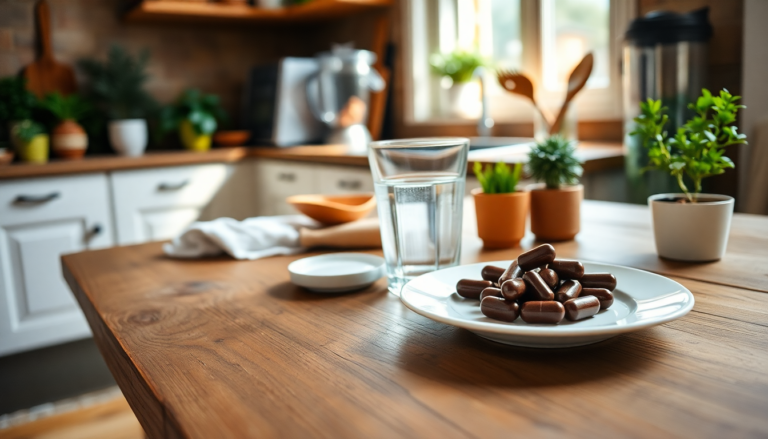
This can take many forms—some women opt to eat it raw, while others mix it into smoothies, cook it up like a roast, or even turn it into capsules. The idea? Some believe it can help reduce the risk of postnatal depression, replenish nutrients and iron lost during childbirth, and boost milk production.
It’s definitely a trend that’s gaining traction, especially among celebrities! 🌟
Recently, Radio 1 DJ Vick Hope made headlines when her husband, Calvin Harris, shared photos of her placenta being dehydrated. Reactions were all over the board, from those who thought it was cool to normalize the practice to others who were left cringing. It’s fascinating how something so personal can spark such a variety of opinions, right? 🤔
Anna Williamson’s experience with her placenta
Let’s dive into the personal experience of Anna Williamson, a well-known expert from ‘Celebs Go Dating.’ After giving birth to her son, Anna chose to encapsulate her placenta, thinking it might help her recover from the emotional and physical toll of childbirth. She even joked about the experience of handing over her placenta to a courier outside the hospital, comparing it to a “dodgy drug deal.” 😅
After the encapsulation process, she received a jar filled with 60 capsules. While she knows some may find the idea gross, she feels it’s no different than cooking with raw meat. Anna’s openness about her fears surrounding postpartum mental health made her feel that trying this practice was worth it, especially considering her history of iron deficiency. But here’s the twist: despite her efforts, she still faced severe postnatal depression and trauma after her first birth. 😢
The pros and cons of eating your placenta
With the rise of this trend, it’s essential to weigh the potential benefits against the risks. On one hand, some anecdotal evidence suggests that placentophagy might help with recovery and mental health. However, health experts are waving red flags. The CDC has even issued warnings after cases where consuming placenta pills led to infections in newborns. Yikes! 😳
Moreover, studies have shown that women who consumed either placebo capsules or placenta pills didn’t experience significant changes in mood or energy levels. So, is it really all it’s cracked up to be? Some scientists argue that the processing of the placenta could eliminate the hormonal benefits that some claim it provides. And let’s not forget the potential for harmful substances that may be present in the placenta, given its role in filtering toxins during pregnancy. 🦠
Now a mother of two, Anna reflects on her decision not to encapsulate her placenta after her second child, saying it was more about her busy schedule than a lack of belief in the practice. She’s even joked about the possibility of eating a nine-year-old placenta capsule in the future! 😂
Ultimately, this is a deeply personal choice for new mothers. Whether you’re for or against it, the conversation around placentophagy is one worth having. Who else thinks this is a topic that deserves more open discussion among new moms? Let’s chat about it! 💬✨
