

Could your heartburn meds be doing more harm than good? Let’s dive into the risks associated with long-term use of proton pump inhibitors.
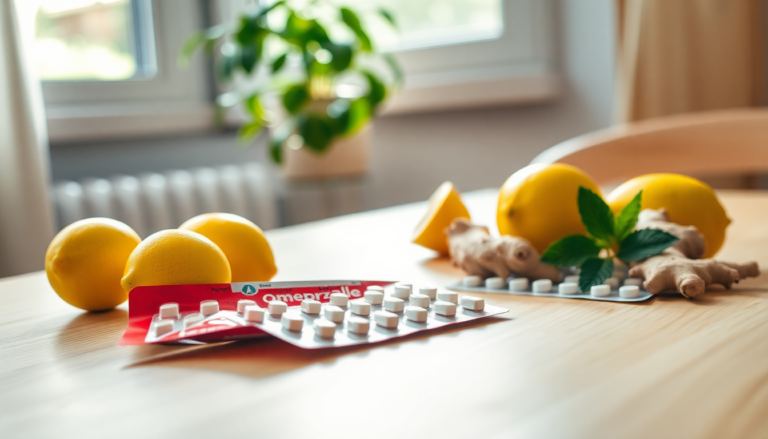
Hey there! If you’ve ever popped a pill for heartburn or acid reflux, you might want to listen up. A trusted pharmacist recently dropped some serious knowledge on TikTok about how common heartburn medications—especially proton pump inhibitors (PPIs) like omeprazole—may be messing with our digestion in the long run.
Spoiler alert: it’s not all sunshine and rainbows! 🌈💔
What are proton pump inhibitors?
Okay, but can we talk about how popular PPIs are in the UK? Millions of prescriptions are handed out each year! They work by blocking the production of stomach acid, providing instant relief from heartburn and acid reflux.
Sounds great, right? But here’s the kicker: while they might help with those fiery sensations, they can come with some pretty nasty side effects if used long-term. 🙅♀️
Deborah Grayson, aka the ‘Godmother of Pharmacology,’ explains that while these meds can be lifesavers for conditions like gastritis or esophageal erosion, they’re not necessarily the answer for simple heartburn.
Long-term use can lead to issues like bloating, nausea, and even weight gain. Yikes! Can we pause for a moment? Who else thinks we might be over-relying on meds instead of exploring natural solutions? 🤔
The impact on digestion
Here’s where it gets really interesting: stomach acid is a key player in digestion. It helps break down food, especially proteins, and protects us from those nasty bugs that can sneak in with our meals. When we reduce acid production with PPIs, we’re not just quieting our heartburn; we might be setting ourselves up for a whole host of digestive issues. 😱
Grayson points out that low stomach acid can lead to infections and nutrient deficiencies, including Vitamin B12 and iron. And we all know how crucial those are for our energy levels, right? Plus, too little acid can cause bloating and discomfort, which is basically the opposite of what we want. Anyone else ever felt that post-meal bloating struggle? 😩
This idea that we might be trading short-term relief for long-term consequences is a real plot twist! It’s like that friend who promises a fun night out but ends up dragging you into a drama. We really need to rethink how we’re using these medications and whether they’re the best option for us.
Natural alternatives and lifestyle changes
Grayson also emphasizes that simple lifestyle changes can make a significant impact. For instance, eating mindfully and slowly can help your body keep up with food intake and digestion. Have you ever tried setting aside time to savor your meals? 🍽️✨
She recommends avoiding trigger foods like chocolate, coffee, and citrus, and also suggests leaving a three-hour gap between your last meal and bedtime. This helps prevent that uncomfortable nighttime reflux. Trust me, your gut will thank you later! 🙌
And let’s not forget about the power of relaxation techniques. Disconnecting from screens and practicing deep breathing can also help ease digestion—who knew? 🧘♀️
In conclusion, while PPIs can offer quick relief, we need to be mindful of their long-term effects on our health. It’s all about finding that balance and prioritizing our gut health. What are your thoughts? Have you experienced any side effects from heartburn medications? Let’s chat in the comments! 💬
