

In the heart of Sudan's refugee camps, a cholera outbreak threatens lives as aid remains scarce. Discover the stories of resilience amid despair.
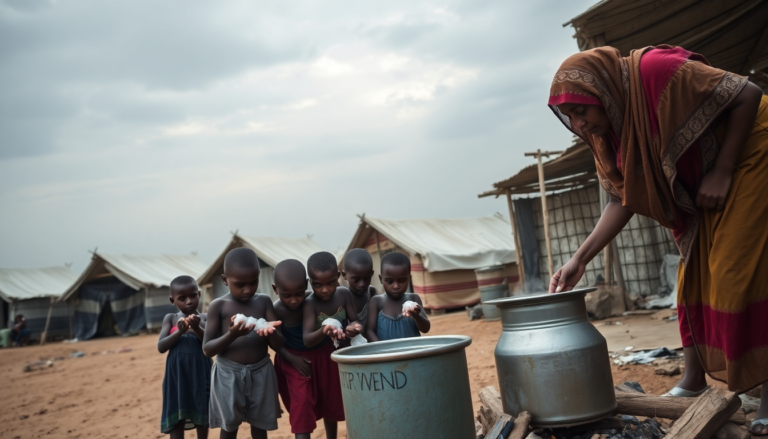
In the makeshift refugee camps of Tawila, Sudan, fear looms large as cholera wreaks havoc on an already vulnerable population. With each passing day, the struggle for clean water and basic sanitation becomes more desperate. Okay, but can we talk about the reality of living in a place where boiling water is your only line of defense against a disease that spreads as quickly as the wind? This is the harsh truth for the hundreds of thousands who have fled violence and conflict, only to find themselves battling a new enemy: cholera.
The Relentless Spread of Cholera
Since the first cases emerged in early June, cholera has infiltrated Tawila and its surrounding camps at an alarming rate. Sylvain Penicaud, a project coordinator for Doctors Without Borders, revealed that it took just two weeks for the infection to spread from nearby villages to the heart of the camp.
Over the past month alone, more than 1,500 cases have been treated, with UNICEF estimating that around 640,000 children under five are at risk across North Darfur. Who else noticed that in an area where people have already lost so much, they now have to contend with a cholera outbreak? It’s absolutely heartbreaking.
The disease thrives in contaminated water and food, leading to severe dehydration and death in just hours if left untreated. Yet, the means to treat it—like oral rehydration solutions—are hard to come by.
Life in the Camps: A Daily Struggle
Mona Ibrahim, a refugee who has been living in Tawila for two months, shared her makeshift remedy: “We mix lemon in the water when we have it and drink it as medicine.” Can you imagine having to rely on such limited resources just to survive? In a situation where proper hygiene practices are nearly impossible, the spread of cholera seems inevitable. Most people fetch water from nearby contaminated sources or the few shallow wells that are still functional. Ibrahim Adam Mohamed Abdallah, UNICEF’s executive director in Tawila, emphasizes the urgent need for hygiene education, but this advice often falls on deaf ears when there’s no clean water available. “It is extremely worrying,” Penicaud states, and he’s absolutely right.
Humanitarian Access: A Dire Situation
As the crisis deepens, the challenges of delivering aid become even more pronounced. The ongoing conflict, which has lasted for three years, has paralyzed humanitarian efforts. Armed groups, particularly the Rapid Support Forces, have obstructed aid convoys, leaving many without the essentials they need to survive. The United Nations has repeatedly warned that food shortages are rampant in Tawila, with aid trickling in far too slowly to meet the overwhelming demand.
In response to the cholera outbreak, MSF has opened a 160-bed treatment center, but with plans to expand to 200 beds, it’s already overwhelmed. The rainy season, which peaks this month, poses an additional threat by likely contaminating water supplies even further. This is not just a health crisis; it’s a wake-up call for the global community to take action.
As we reflect on the dire circumstances faced by those in Tawila, it’s crucial to consider how we can support initiatives that bring relief to these communities. Unpopular opinion: we need to amplify their voices and stories. They deserve to be heard, and their plight should not be forgotten. 💬✨
