

New theory test updates will equip learner drivers with vital CPR skills, significantly increasing awareness and preparedness for cardiac emergencies.
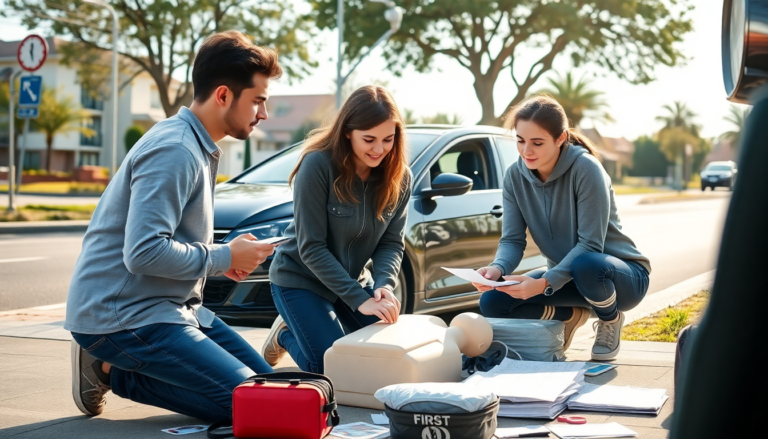
In a major shift for learner drivers across the UK, the driving theory test will soon include questions about CPR techniques. This important change, set to roll out early next year, aims to boost emergency preparedness among new drivers—who often find themselves as the first responders in cardiac arrest situations.
But how many of us really know what to do when seconds count?
New Requirements for Learner Drivers
The Driver and Vehicle Standards Agency (DVSA), which oversees driving tests in Britain, has announced that incorporating CPR and defibrillator-related questions into the theory test is vital.
This initiative is all about ensuring that candidates are well-equipped with essential emergency response skills. Did you know that over 40,000 people experience out-of-hospital cardiac arrests in the UK each year? Alarmingly, the survival rate is less than one in ten.
That’s a staggering statistic that highlights the need for change.
Research shows that survival rates can jump to an impressive 70% if CPR is administered and defibrillators are used within three to five minutes of a cardiac arrest. DVSA chief driving examiner Mark Winn underscored this crucial knowledge: “Part of being a safe and responsible driver is knowing what to do in an emergency – how to step in and make a real, life-saving difference.” He pointed out that learning CPR and how to use a defibrillator is straightforward yet could significantly impact survival outcomes. Isn’t it empowering to think that new drivers could literally save lives with the right training?
Campaign for Change
This initiative has been passionately advocated by Professor Len Nokes, chair of the Save a Life Cymru scheme, who was driven by personal tragedy. After losing his 24-year-old daughter, Claire, to complications from a cardiac arrest in 2017, Nokes is determined to raise awareness about CPR. He firmly believes that if more people were educated about CPR, the outcome for his daughter might have been different. “I don’t want any other family to go through this experience,” Nokes stated. By making CPR and defibrillator use a part of the theory test, he hopes to significantly increase the number of individuals armed with this life-saving knowledge.
James Cant, chief executive of the charity Resuscitation Council UK, shared similar sentiments, emphasizing that, “By embedding these life-saving skills into such a widely-taken assessment, we can help ensure that more people, from all communities, gain the knowledge and confidence to act during a cardiac arrest.” This collaboration is a step towards fostering a greater understanding of emergency response in diverse communities, and it’s a movement that could save countless lives.
The Theory Test and Its Importance
Before learners can jump into practical driving tests, they must first conquer the theory test. To pass, candidates need to correctly answer at least 43 out of 50 multiple-choice questions covering everything from road signs and traffic laws to vehicle safety and first aid. Plus, they have to nail a hazard perception video test. With over two million theory tests conducted each year and a current pass rate of around 45%, the stakes are high. Will you be ready?
Integrating CPR training into the theory test marks a significant shift towards not just creating safer drivers, but also building a community of individuals prepared to respond effectively to medical emergencies. As this change unfolds, it’s expected to enhance the overall readiness of new drivers, equipping them with skills that could truly save lives. Are you prepared to be part of this life-saving movement?
