

The recent failed pipe bomb attack in west Belfast underscores the dangerous dynamics of local feuds and the resurgent threats posed by paramilitary groups.
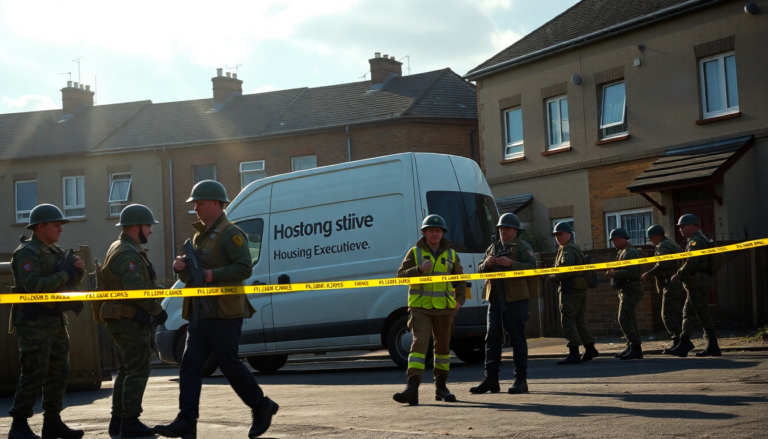
A failed pipe bomb attack in the Colinvale area of Poleglass, west Belfast, on July 12th has been tied to an ongoing feud involving the paramilitary group Óglaigh na hÉireann (ÓNH). The potentially deadly device was found attached to a Housing Executive van, leading to immediate action from the British army bomb squad, which successfully neutralized the threat.
This incident marks a troubling escalation in tensions between rival factions. What could this mean for the community?
Details of the Incident
The bomb was discovered near a residential area, suggesting a deliberate attempt to instill fear within the community.
Authorities suspect there was an effort to detonate the device, but fortunately, that attempt failed. An official statement from ÓNH, using a recognized codeword, confirmed their involvement in the attack. This revelation has understandably heightened concerns about the safety of residents in the area.
This attempted bombing is the first major incident related to the ongoing feud since February, when Sean O’Reilly, a known figure within the Republican Network for Unity (RNU), was shot while in a taxi nearby. The motives behind these violent acts seem to stem from deep-rooted animosities between rival groups, with multiple death threats reported against individuals connected to RNU in recent months. How much longer can this cycle of violence continue?
Background of the Feud
The rivalry between ÓNH and RNU has been heating up, especially following a split within ÓNH last year that saw a faction emerge in support of new leadership. This schism has led to a spike in violence and threats, targeting former leaders and their associates. The instability within these paramilitary organizations raises serious concerns about the potential for further violent outbreaks.
In March, an assassination attempt on another target in north Belfast was called off at the last moment, illustrating just how unpredictable these feuds can be. Both O’Reilly and the intended victim are believed to have close ties to a prominent republican figure who has faced death threats from ÓNH. What does this say about the current state of affairs in the area?
Community Response and Safety Concerns
Local leaders are voicing urgent concerns about the implications of these violent incidents. Peter McReynolds, a member of the Alliance Policing Board, stated, “We are 27 years after the Good Friday Agreement. All these groups need to pack up and leave the stage immediately, no excuses or exceptions.” His comments echo a widespread sentiment that these organizations are regressive forces in a society striving for peace.
McReynolds emphasized that such groups perpetuate “hatred, bigotry, violence, and death,” and are out of touch with the majority of the community, who are yearning for stability and harmony. As tensions continue to simmer, there is a growing fear that further violent acts could disrupt the fragile peace established in Northern Ireland. Are we really willing to let the past dictate our future?
Conclusion
The failed pipe bomb attack in west Belfast not only underscores the ongoing feud between local paramilitary factions but also serves as a stark reminder of the challenges that lie ahead for community safety. As law enforcement and local leaders confront this resurgence of violence, the call for an end to such activities has never been more urgent. The community looks toward a safer future, free from the shadows of past conflicts. Can we finally break this cycle and build a better tomorrow?
