

Can Evo Morales still shape Bolivia's political future, or is his time fading? Let's break it down.
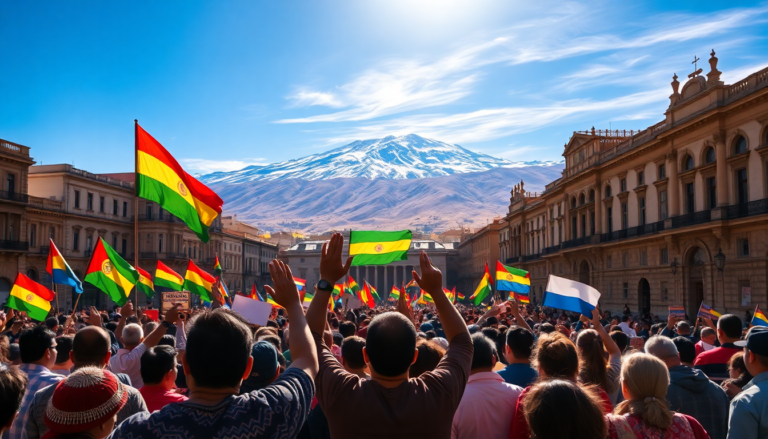
Hey friends! 🌎 Have you been keeping up with the political drama in Bolivia? It’s quite the rollercoaster ride! 🚀 Evo Morales, once hailed as a savior who pulled millions out of poverty, is now at the center of some serious controversy.
So, what’s happening? Let’s spill some tea on this situation and what it means for Bolivia’s future!
The Rise and Fall of Morales
Okay, first things first. Evo Morales was a game-changer, right? 👑 After rising from humble beginnings as a coca farmer to becoming Bolivia’s first Indigenous president, he was a beacon of hope for many.
Under his leadership, the poverty rate dropped significantly, and social spending soared. Sounds amazing, right? But wait, things took a turn. 🌀
Fast forward to today, and Bolivia’s economy is in a tight spot—think inflation, dwindling currency reserves, and a natural gas industry that’s crumbling.
Morales, once the king of the hill, is now kind of a political lightning rod. ⚡️ The left, which he once united, is splintered, and many are pointing fingers at him for the division.
What’s even more dramatic? Morales can’t even run for a fourth term! 🚫 After being barred, he’s now encouraging his supporters to cast null votes in protest. Is he trying to sink the left’s chances altogether? Some think so! And the reactions to his calls are mixed. While some are still loyal, others are scratching their heads. Who else thinks this strategy could backfire? 🤔
The Indigenous Roots of Morales’ Support
Now, let’s talk about his roots. Morales is deeply connected to Bolivia’s Indigenous population, making him a beloved figure in rural areas. Over 40% of Bolivians identify as Indigenous, and Morales emerged as a champion for coca farmers who fought against eradication efforts. 🌱 This helped him build a powerful political base through the Movement for Socialism (MAS). But did this foundation become a double-edged sword?
His initial rise reflected the struggles of the marginalized. When he took office in 2005, he nationalized key industries and pushed for social reforms that significantly reduced poverty. His leadership was transformational, but it also created a cult of personality. As analysts point out, that adoration may have shielded him from criticism, ultimately leading to a disconnect with reality. 📉
As time went on, Morales’s image began to crumble—especially after a scandal involving alleged corruption and influence peddling. The 2016 referendum where voters denied him a fourth term was a pivotal moment. It illuminated the cracks in his once-solid support. Did he become too comfortable in power? Unpopular opinion: sometimes a little humility can go a long way! 💁♀️
The Current Political Landscape and Future Implications
Fast forward to now, and the left is in turmoil. Morales has left MAS and formed a new party, further splintering the coalition. But wait, there’s more! Recent elections show a rise in right-wing candidates, leaving many to wonder if the left can recover. Morales’s former ally, Andronico Rodriguez, is now seen as a potential leader, but their relationship has soured. Is there a chance for unity?
An interesting twist: Morales has accused Rodriguez of being a puppet for foreign interests. 😱 This internal strife adds to the confusion as voters try to navigate their options. With President Luis Arce’s re-election campaign faltering amid economic struggles, the left seems to be at a crossroads. Can they unite to regain their footing, or will they continue to fracture?
As we look toward the 2025 elections, the question looms: what role will Morales play in shaping the future of Bolivia? His loyal base still exists, but the political landscape is shifting fast. 🌪️ Can he regain influence, or is he destined to be a relic of a past era? Let’s keep the conversation going—what do you think? #BoliviaPolitics #EvoMorales #PoliticalDrama
