

What does the future hold for journalism in Gaza? Let's explore the challenges and the voices that must be heard.
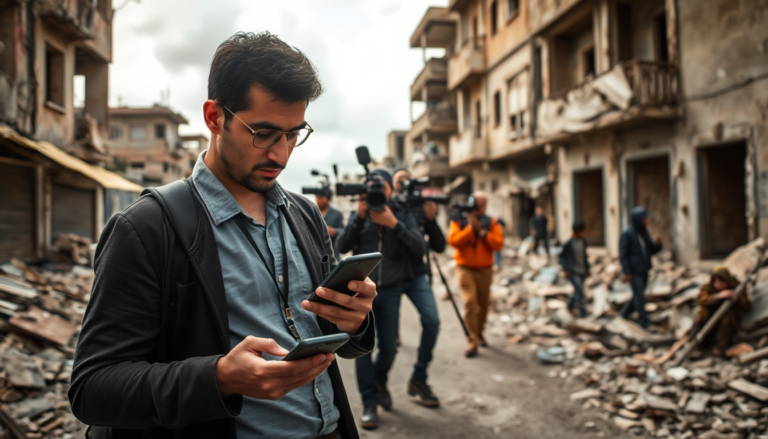
Okay, but can we talk about the complexities of modern reporting? The situation in Gaza presents a unique and pressing challenge for journalists. With escalating conflicts and the tragic loss of reporters on the ground, it raises a critical question: who will bear witness to the unfolding events? This isn’t just a rhetorical question; it highlights the importance of journalism in conflict zones and nudges us to reflect on the future of media in such turbulent environments.
💬
The current state of journalism in Gaza
Gaza has become synonymous with conflict, and the role of journalists in this narrative is more crucial than ever. Every day, reporters are putting their lives on the line to bring us stories of resilience, hardship, and the human experience.
But what happens when those who are supposed to inform us become targets themselves? The recent deaths of Al Jazeera journalists remind us that reporting in Gaza is not just a profession; it’s an act of bravery. How does this impact the stories being told? Are we really getting the full picture, or is it clouded by fear?
Moreover, the technological advances in journalism—like the rise of social media and citizen journalism—have added layers of complexity.
While these platforms can amplify voices, they also have the potential to spread misinformation. This tug-of-war between traditional reporting and the fast-paced world of social media leaves many of us questioning the reliability of the news we consume. What do you think? Are we better off with more voices, or do we risk drowning in the noise? 🤔
Challenges faced by journalists
The challenges for journalists in Gaza are multifaceted. From physical dangers to the psychological toll of reporting in a war zone, the risks are immense. Imagine trying to deliver a story while dodging bullets or dealing with the aftermath of an explosion. This isn’t just abstract; it’s a daily occurrence for many journalists. The emotional impact can be overwhelming. Who else feels that the mental health of reporters is often overlooked in these discussions? 💔
In addition to physical threats, political pressures also play a significant role. Journalists often find themselves navigating a landscape fraught with censorship, where their work can be stifled by authorities or hindered by the need to maintain safety for themselves and their sources. The question remains: how do they balance the need for truth with the realities of survival?
The role of technology and social media
In the age of technology, the way we consume news has transformed dramatically. Platforms like Twitter and Instagram allow for real-time updates, but they also come with their own set of challenges. Misinformation can spread like wildfire, complicating the narratives that journalists strive to present. This is giving me major “fake news” vibes. How do you discern what’s real when everything feels urgent and sensationalized? 🔥
Moreover, the rise of AI in journalism is sparking debates about the future of reporting. As machines take on more tasks, will human journalists become obsolete? Or will they find new ways to collaborate with technology to enhance storytelling? There’s so much to unpack here, and I’d love to hear your thoughts! Are you excited or concerned about the role of AI in journalism? 🤖
Ultimately, the future of journalism in Gaza is uncertain, but one thing is clear: the need for authentic voices and truthful reporting remains paramount. As we continue to engage with these stories, let’s support those who risk everything to share them. What steps do you think we can take to advocate for journalists in conflict zones? Let’s get the conversation going! #SupportJournalists #Gaza
