

What do US sanctions mean for Cuba's medical missions? Let's unpack the controversy.
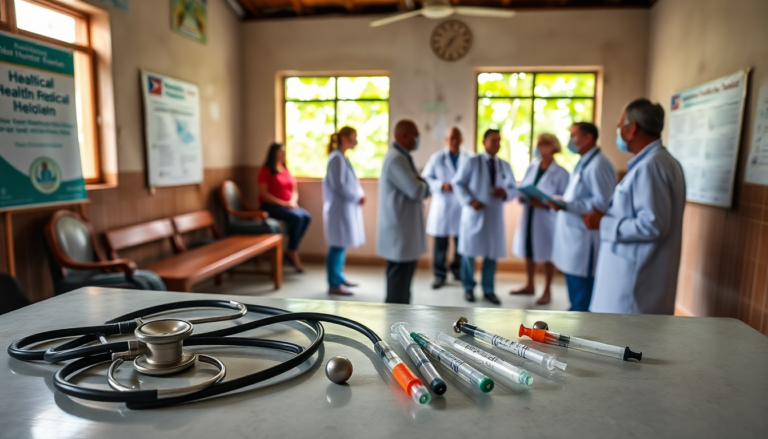
Hey friends! 🌍 Let’s dive into a topic that’s been heating up lately—the US’s decision to revoke visas for officials involved in Cuba’s international medical program. This situation isn’t just about politics; it’s about healthcare, international relations, and the people involved.
Buckle up, because this is giving me some serious ‘what’s really going on here?’ vibes! 💭
Cuba’s Medical Missions: A Brief Overview
So, let’s set the scene. Cuba has been sending its doctors and healthcare professionals abroad since the 1960s, especially after the Cuban Revolution.
This initiative, often seen as an act of solidarity, allows the country to share its medical expertise while also earning some foreign currency—pretty crucial for an economy under heavy sanctions, right?
Fast forward to today, and we’re seeing a significant backlash from the US government.
They claim that these medical deployments amount to forced labor, recently targeting officials from Brazil and other nations who have collaborated with this program. They’ve labeled it a “coercive labor export scheme.” What do you think—is it fair to call it forced labor? 🤔
The US Response: Revoking Visas and Sanctions
In a statement that’s stirred quite the pot, Secretary of State Marco Rubio announced the revocation of visas for a few Brazilian officials linked to the Mais Medicos program, which has been around since 2013. Designed to tackle doctor shortages in Brazil, this program is now caught in a geopolitical tug-of-war. Talk about a plot twist! 🎭
Rubio’s comments suggest that these sanctions aim to cut off resources from the Cuban regime, claiming they deprive the Cuban people of necessary medical care. But here’s the kicker: Cuba’s government argues that this is just a cynical excuse to undermine its foreign currency earnings. Who else thinks this is a classic case of politics overshadowing healthcare? 💔
The Bigger Picture: Healthcare and Diplomacy
Let’s zoom out a bit. Cuba’s healthcare system is known for being public and universally accessible, but it has faced severe challenges due to decades of sanctions and a decline in tourism. It’s a tough spot for a nation trying to provide for its citizens while under the weight of international pressure.
And let’s not forget the historical context—this isn’t just about Cuba and the US. Countries like Venezuela have also been part of this medical exchange, raising questions about how healthcare can be a bargaining chip in international relations. Is it ethical? Can we really separate healthcare from politics? 💔
Brazil’s Minister of Health, Alexandre Padilha, expressed that they won’t succumb to what he calls “unreasonable attacks” on their healthcare initiatives. It’s a complex situation, and with the ongoing sanctions, the tension between these nations is palpable. What do you think? Are sanctions ever the right move when it comes to healthcare? 💬
Community Voices: Let’s Hear Your Thoughts!
This conversation is just getting started, and I want to hear from you! What’s your opinion on the US’s stance on Cuba’s medical missions? Do you think the sanctions will change anything on the ground, or are they just a political statement? Let’s chat in the comments! And don’t forget to share this with your friends who might be interested in international affairs. Together, we can unpack the layers of this intriguing issue! 🌟
