

What does the future hold for Ukraine amidst ongoing territorial disputes and diplomatic talks? Let's dive into the current situation.
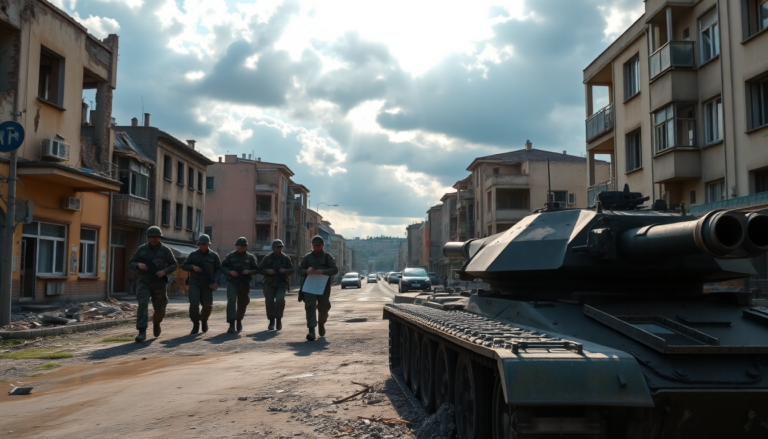
Hey friends! 🌍 Let’s dive into the ongoing situation in Ukraine, where the complexities of territorial control and international diplomacy are playing out in real-time. With Russia currently holding about 20% of Ukraine’s territory, the stakes are higher than ever.
So, what’s really happening behind the scenes of this conflict? Let’s break it down together!
The Current Territorial Control
Right now, Russia is controlling significant portions of eastern and southern Ukraine, specifically aiming for full control over the regions of Luhansk, Donetsk, Zaporizhia, and Kherson.
🤔 But here’s the plot twist: the situation isn’t just about military control; it’s also complicated by ongoing negotiations between key world leaders.
Recently, we saw President Trump and President Putin meet in Alaska, where they discussed the possibility of “land swapping.” This has sparked a lot of debate: does this mean Ukraine might have to give up some territory? Ukrainian President Zelenskyy has been quite vocal about his stance, making it clear that any deal involving land cession would simply be a non-starter for him and his government.
Who else thinks that giving away land is just not an option? 🙋♀️
Plus, it’s crucial to note that ceding land would violate the Ukrainian constitution, which makes the situation even more precarious. It’s all a tangled web of political strategy, military maneuvers, and national pride. What do you think about these negotiations? Are they steering the conflict towards a resolution, or just prolonging the inevitable? Let’s discuss!
Military Dynamics and Strategic Importance
The military front lines stretch for about 1,000 km across various regions, with Russia controlling around 88% of the Donbas area. This region has been pivotal for military operations, with battles raging around key towns like Sloviansk and Kramatorsk. 🛡️
In August, reports indicated that Russian forces made advances beyond established front lines, raising alarms about the potential for escalated conflict. Military experts are weighing in, suggesting that if Ukraine doesn’t solidify its defensive positions, the risk of losing ground is significant. What’s your take on Ukraine’s defensive strategies? Are they doing enough? 🤷♀️
Furthermore, there’s talk of a “fortress belt,” referring to a key area that has remained under Ukrainian control since 2014. This stretch of land is crucial for logistical and administrative operations, making it a focal point for both sides. Isn’t it fascinating how geography plays such a critical role in warfare? 🌍💥
Humanitarian Crisis and Global Impact
Beyond the military aspects, the humanitarian crisis stemming from this conflict is massive. The United Nations reports around 10 million Ukrainians have been displaced since the war began, which is staggering. Many have sought refuge in neighboring countries, while others remain internally displaced. This situation is giving me serious concern for the future of these families. How can we, as global citizens, support them better? 💔
As we witness these developments, it’s crucial to remember the human aspect of this conflict. The ongoing war has resulted in one of the largest displacement crises in Europe since World War II. The lives disrupted, families torn apart, and communities shattered are a poignant reminder of the stakes involved.
As we keep an eye on the international responses and potential resolutions, let’s also consider what this means for the global community. How can we advocate for peace and support Ukraine in its fight for sovereignty? Join the conversation and share your thoughts! 🕊️
