

Unpacking the truths behind Braveheart's portrayal of Scottish history—what's real and what's just Hollywood magic?
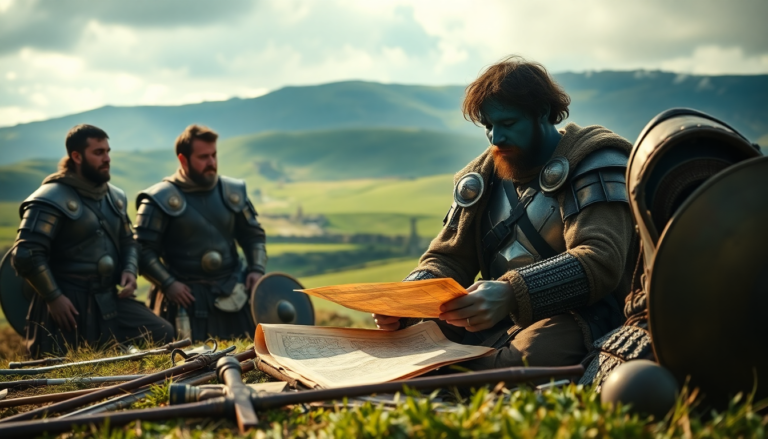
Ever since it hit the screens in 1995, Braveheart has sparked endless debates, especially among historians and movie lovers. 🎬 Who hasn’t pointed out its glaring historical inaccuracies—from Mel Gibson’s iconic blue face paint to the jumbled timeline? Recently, actor Brian Cox, who played Wallace’s fictional uncle, Argyle, added fuel to the fire by calling the film ‘b******s’ during a discussion at the Edinburgh International Book Festival.
So, what’s the real story behind this epic? Let’s unpack both the myths and the few truths that Braveheart presents about Scotland’s fight for independence. 🔍
The Battle of Falkirk: A Mixed Bag of Truth and Fiction
One of the film’s most dramatic moments is the portrayal of the 1298 Battle of Falkirk, where Wallace and his troops clashed with King Edward I’s English army.
While the film certainly captures the chaos and despair of battle, it also simplifies the events significantly. Yes, the Scottish forces faced a tough defeat, and yes, the portrayal of the Scottish cavalry’s desertion is accurate. But let’s not kid ourselves—the actual battle was way more complex, with around 2,000 men lost on both sides due to the overwhelming numerical advantage of the English forces.
😱
And here’s a little secret: characters like Mornay and Lochlan? Pure Hollywood fabrications! In reality, Wallace was betrayed by John Menteith, a Scottish nobleman who doesn’t even make an appearance in the film. This twist adds a layer of betrayal that resonates deeply in the narrative but strays far from historical accuracy. Who else thinks it would be more compelling if they had included this real betrayal? 🤔
Wallace’s Gruesome Fate: A Heart-Wrenching Reality
As we near the chilling climax of Braveheart, we witness Wallace’s execution—a brutal scene that has sparked both outrage and fascination. Historically, Wallace was indeed subjected to a horrific method of execution known as hanging, drawing, and quartering. While Gibson chose to spare viewers the graphic details, the emotional weight of the scene hits hard as Wallace bravely shouts his defiance. But let’s be real: after such brutal torture, he likely wouldn’t have had the strength to speak. 😢
This moment highlights a crucial point: while the film aims to portray Wallace as a martyr for freedom, the actual events surrounding his death are far more complex and tragic. It’s a stark reminder of the gruesome reality of medieval justice, which often contrasts sharply with the heroic narratives we love to celebrate. Isn’t it fascinating how history can be both brutal and beautiful at the same time? 💔
The Battle of Bannockburn: Triumph and Legacy
The film culminates in the Scottish victory at the Battle of Bannockburn in 1314, where Robert the Bruce leads his forces to a significant triumph against Edward II. This battle marked a pivotal moment in Scottish history, effectively thwarting English attempts to conquer Scotland. While the film captures the rousing spirit of this victory, it also romanticizes Bruce’s character. In reality, Bruce’s path to kingship was fraught with challenges, and his leadership during Bannockburn was part of a larger struggle involving numerous battles and alliances. 🏴☠️
The tableau of Bruce’s crowning and his later successes showcases the enduring legacy of Scotland’s fight for independence. However, it’s essential to recognize the nuances that the film glosses over. The historical Robert the Bruce was not just a warrior but a strategic leader who navigated a treacherous political landscape. How many of you knew that there was so much more to his story? 🤯
In conclusion, while Braveheart has captivated audiences with its stirring portrayal of Scotland’s quest for freedom, it’s crucial to separate fact from fiction. The film may be a beloved classic, but the true story of Scotland’s struggle for independence is richer and far more intricate than what we see on screen. So, what do you think? Is it okay for films to take liberties with history for the sake of storytelling, or should they stick to the facts? Let’s discuss! 💬✨
