

In northeast Nigeria, families like Zara Ali's are caught in a heartbreaking cycle of conflict and malnutrition, battling for survival amid dwindling aid and resources.
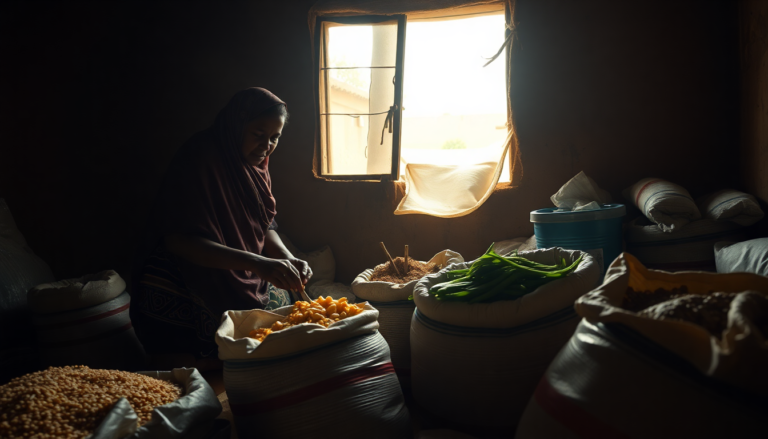
Northeast Nigeria is currently facing a devastating food crisis, and the stories of families struggling to survive are both heartbreaking and urgent. Take Zara Ali, for instance—a 30-year-old mother who represents countless others in this region, especially as organizations like the World Food Programme start to pull back their critical support.
Have you ever felt a deep sense of helplessness when someone you love is in dire need? That’s the daily reality for Zara and many others right now. 💔
The Daily Struggle for Survival
Imagine this: On a recent weekday, Zara sat outside a government hospital in Maiduguri, cradling her sick toddler, Amina, in her lap.
The little girl’s frail frame and patchy hair tell a heartbreaking story of malnutrition. It’s a tough pill to swallow when your child is suffering, and the road to recovery feels endless. Despite months of treatment with a protein-rich paste, Amina’s health remains unpredictable, leaving her mom feeling frustrated and powerless.
Who can blame her?
“She gets sick, gets a little better, and then falls ill again,” Zara shared, her voice heavy with worry. The family has had to move multiple times due to the ongoing Boko Haram conflict, uprooting their lives and complicating their quest for stability. Can you even imagine having to flee your home, only to face new challenges in a place that should feel safe?
Sadly, Zara isn’t alone in her struggle. Approximately five million children in northeast and northwest Nigeria are grappling with malnutrition, fueled by what experts call one of the worst food crises in years. The persistent conflict has disrupted food supplies, making it nearly impossible for families to sustain themselves. It’s a crisis that demands our attention!
Aid Cuts and Their Consequences
The situation has worsened significantly due to severe funding cuts to aid organizations that have historically provided essential food assistance to displaced populations. Zara’s access to healthcare has dwindled as clinics shut down or reduce their services. “Honestly, their interventions were really helpful, and we need them to come back and help our children,” she lamented. Who else feels this desperate need for action and support? 🤔
The World Food Programme, the largest provider of food aid globally, has been forced to close more than half of its nutrition clinics in the region. Emmanuel Bigenimana, who leads operations in northeast Nigeria, highlighted that around 300,000 children are now cut off from vital nutrition supplements. This is giving me serious vibes of a system on the brink of collapse. 😟
As aid becomes scarce, many families are turning back to subsistence farming, but that’s easier said than done. With the military focused on securing urban areas, rural farmers face threats from armed groups like Boko Haram. Security analyst Kabir Adamu noted that farmers are often targeted for taxes or worse, risking their lives just to provide for their families. How can anyone feel safe when simply trying to put food on the table?
“The armed actors collect taxes from them to use land for farming,” he explained, painting a grim picture of the choices families must navigate. It’s a vicious cycle that leaves many without food or safety.
Hope Amid Despair
Even in the midst of this turmoil, there are glimmers of resilience. Just 45 minutes from Maiduguri, farmer Mustapha Modu braves risky roads to secure seedlings for the planting season. “It’s been a long time since we saw them in our village,” he said of food aid distributors, highlighting the desperate need for support. Can we even begin to fathom the courage it takes to plant seeds knowing the harvest may never come? 🌱
The situation remains dire, with the UN and other organizations facing cuts in funding and resources. As the hunger crisis deepens, stories like Zara’s serve as a reminder of the urgent need for action. “People are attempting to go and get firewood to sell outside the secure points,” Bigenimana warned, indicating that desperation could lead to unrest. Who else thinks it’s high time for a shift in how aid is delivered and executed?
In the face of these challenges, organizations like Doctors Without Borders are stepping up. They’ve seen a spike in malnutrition cases as other services close down. Muhammad Bashir Abdullahi from the organization noted an alarming increase in admissions, jumping from 200 to 400 children weekly at their facility in Maiduguri.
As families like Zara’s continue to fight for survival, it’s crucial for the international community to recognize the dire situation and respond appropriately. The hunger crisis in northeast Nigeria isn’t just a statistic; it’s a heartbreaking reality for millions of children and families. What can we do to help raise awareness and drive meaningful change? Let’s discuss! 🌍💬
