

Why are alcohol-related deaths rising even as overall consumption declines? Let's dive into the numbers and the realities behind this shocking trend.
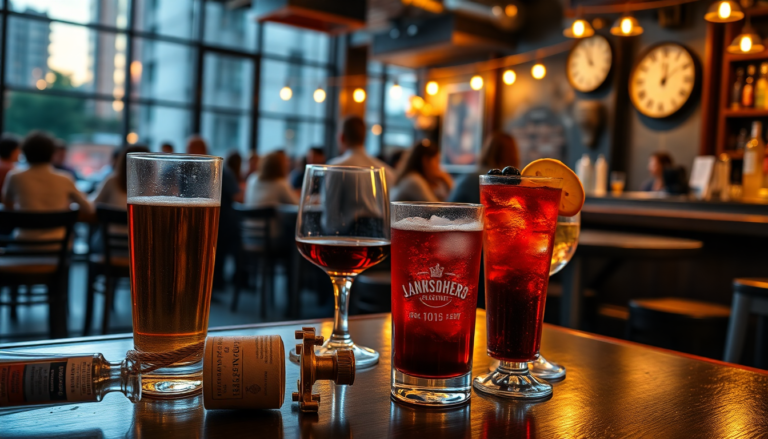
Last year, the UK faced a shocking reality: over 10,000 people lost their lives due to heavy drinking, marking the highest number recorded. This statistic is not just heartbreaking; it’s also a bit perplexing given that alcohol consumption has been on a downward trend since 2004.
So, what’s going on? Let’s unpack this together.
The Decline in Drinking vs. Rising Deaths
Okay, but can we talk about this? 🤔 While many are cutting back on their drinking, a small yet significant portion of the population continues to indulge excessively.
It’s like this weird paradox: fewer people are drinking, yet those who do are possibly drinking more than ever. Does anyone else feel exhausted from the mixed messages we get about alcohol?
For the younger generation, particularly Gen Z (ages 18 to 28), it’s interesting to note that about one in four identifies as teetotal.
This shift suggests a cultural change around drinking, which is definitely a good thing. But on the flip side, we can’t ignore that over 320,000 people are still admitted to hospitals annually due to alcohol-related conditions. Yikes, right? The reality is harsh, and many of those suffering are dealing with liver disease linked to excessive drinking.
But how do we know what ‘too much’ really means? The NHS suggests a weekly limit of 14 units for both men and women. That’s roughly equivalent to six pints of beer or a bottle and a half of wine. However, studies show that around a quarter of British adults often exceed this limit. So, who else thinks this is a troubling trend? 🙋♀️
The Risks of Binge and High-Intensity Drinking
Experts constantly warn about binge drinking, which is defined as consuming more than five units within two hours. Alarmingly, one in five Britons admits to binge drinking regularly. And let’s not forget about high-intensity drinking—having eight or more drinks in one night. Both of these behaviors are particularly dangerous because they don’t give the body enough time to process the alcohol, leading to higher blood alcohol levels. This is giving me serious health concerns vibes! 😬
But even moderate drinking isn’t without its risks. The NHS updated its guidelines back in 2016, emphasizing the importance of having several alcohol-free days and suggesting that pregnant women should avoid alcohol entirely. It’s all about moderation, but we also need to remember that there is no ‘safe’ level of drinking. This is what experts like Professor Dame Sally Davies are stressing. It’s a conversation we need to have more openly; how can we support each other in making healthier choices?
Understanding Personal Risks and Seeking Help
Some people might wonder just how much drinking over the NHS limit can affect their health. A study published in the Lancet revealed that regularly consuming 28 units a week could lower life expectancy by about six months. But it’s not all doom and gloom; moderate drinking has been compared to some everyday habits that we all indulge in—like binge-watching our favorite shows or enjoying a bacon sandwich now and then.
However, it’s essential to understand that alcohol can have different effects based on gender. Women tend to experience higher levels of alcohol in their system for longer, leading to increased risks for liver disease, heart problems, and certain cancers. And if you’re feeling overwhelmed by your drinking habits, the most crucial step is to reach out for help. Your GP can assist with liver tests and connect you with mental health specialists if needed.
To wrap things up, the rise in alcohol-related deaths in the UK serves as a stark reminder of the complexities surrounding drinking culture today. It’s vital for all of us to stay informed, support one another, and have open conversations about our drinking habits. How do you feel about alcohol consumption in your social circles? Let’s chat! 💬✨
