

What happens when journalists become targets in war zones? Let's unpack the serious implications for justice and media freedom.
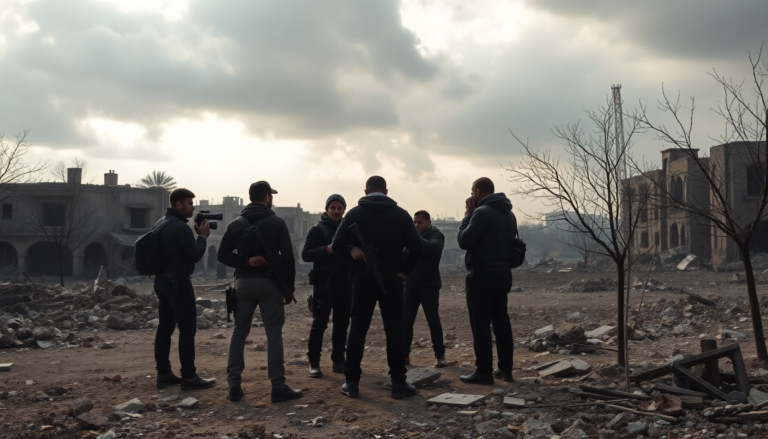
In conflict zones like Gaza, the landscape is often defined by violence, fear, and a relentless struggle for truth. Journalists, who play a critical role in illuminating these stories, find themselves facing unimaginable dangers. The murder of journalists isn’t just a tragic event; it’s a calculated attempt to silence dissent and manipulate narratives.
🚨 What does this mean for the future of journalism and our freedom of expression? Buckle up, because we’re diving deep into this complex issue.
The chilling reality of journalist safety
The murder of Anas al-Sharif highlights a disturbing trend: journalists are increasingly being targeted in war zones.
This isn’t just about one person; it’s part of a broader pattern where voices that challenge the status quo are systematically silenced. Who else thinks that this poses a major threat to our democracy? 🤔 The implications stretch far beyond the immediate danger to journalists; they impact the entire fabric of society and the public’s right to know.
In Gaza, health workers are also caught in this web of violence, forced to operate under what many describe as ‘starvation conditions.’ If journalists can’t report safely, how can we hope to grasp the full scale of humanitarian crises? This situation is giving me serious vibes about the fragility of freedom in conflict zones.
The role of media in conflict
Media organizations face huge challenges when reporting from war-torn regions. With ongoing conflicts and constant threats to their teams, many are calling for a reevaluation of safety protocols. The pressure to verify claims, especially in sensitive situations like the killings of Al Jazeera journalists, adds another layer of complexity. What do you think? Should media outlets be held to a different standard when covering such volatile areas? Let’s talk about it! 💬
Moreover, the international community’s response—or lack thereof—plays a crucial role in shaping the narrative. When leaders make maximalist demands in diplomatic discussions, like those surrounding Trump and Putin, the real stories on the ground often get overshadowed. The media acts as a bridge between these realities and the public, but how can they do this effectively when their own safety is at risk?
Community and resilience
Despite the dangers, journalists continue to report from these areas, fueled by their unwavering commitment to truth. The community of journalists in Gaza is incredibly resilient, often finding innovative ways to share their stories amidst adversity. This is a plot twist in the narrative of media; instead of succumbing to fear, many are using their platforms to amplify voices that are otherwise silenced.
As consumers of news, it’s vital for us to support these efforts. Engaging with content, sharing stories, and advocating for journalist safety are all ways we can contribute to this cause. What steps do you think we can take to ensure that these journalists are protected and their stories are heard? Let’s brainstorm together! 🌍💡
