

Ministers announce a groundbreaking scheme to streamline environmental regulations for the Lower Thames Crossing project, sparking a potential shift in how infrastructure projects are managed.
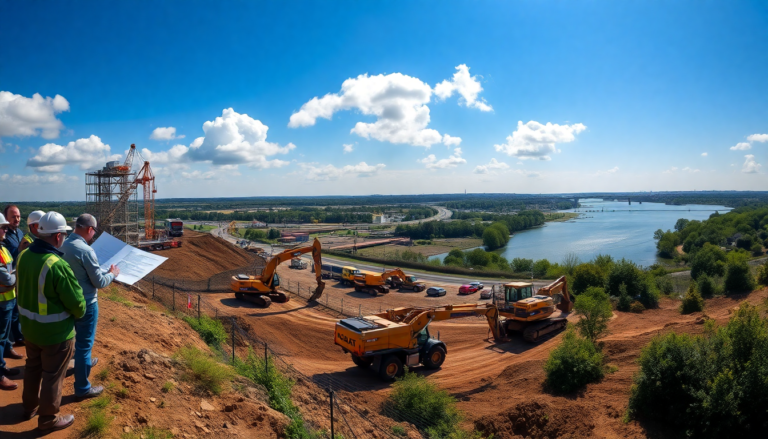
In a bold move that could reshape the future of construction in the UK, ministers have announced that the Lower Thames Crossing will be the first major infrastructure project to adopt a new strategy aimed at cutting down on environmental regulatory delays.
This initiative is not just about speeding up the planning process; it could signal a transformative shift for how we approach future construction projects nationwide. But what does this mean for the environment and development timelines?
Overview of the Lower Thames Crossing Project
The Lower Thames Crossing involves constructing two tunnels under the Thames River, connecting Kent and Essex. This ambitious project is expected to alleviate traffic congestion and significantly improve transport links in the area. Environment Secretary Steve Reed highlighted that this will be the first project to benefit from a newly streamlined environmental oversight framework.
But how will this framework work?
Under this innovative scheme, Natural England will take on the role of the primary environmental regulator. This means they will coordinate input from various agencies, including the Environment Agency and the Marine Management Organisation, ensuring that environmental protections remain intact while speeding up the approval process. Sounds like a win-win, right?
This shift aims to significantly cut the time needed to secure planning permissions and environmental approvals, potentially reducing costs that typically pile up due to drawn-out bureaucratic procedures. According to the Department of Environment, Food and Rural Affairs (Defra), any issues that might stall construction will be escalated to a new infrastructure board for quick resolution. Could this be the answer to the delays we’ve seen in past projects?
Background and Implications of the New Approach
The introduction of a lead environmental regulator stems from the Corry Review, which scrutinized how existing environmental regulations have posed challenges for new infrastructure projects. The review pointed out the urgent need for reform to avoid unnecessary delays and obstacles that have historically held back development. So, what changes are on the horizon?
Mr. Reed made it clear that reforming the planning framework is critical, stating, “Britain’s planning rules are so complicated they’ve blocked development of new homes and businesses.” The government’s Plan for Change looks to simplify these rules, making it easier for developers to navigate the regulatory landscape without sacrificing environmental protections. Can we finally strike a balance?
As the Lower Thames Crossing project progresses, it may set a benchmark for other major infrastructure initiatives across the country. By proving that environmental concerns can be addressed efficiently, the government hopes to create a more favorable environment for development that aligns with economic growth goals. What would that mean for future projects?
Next Steps and Future Developments
Ministers are expected to roll out more details on additional recommendations from the Corry Review in an upcoming report. This will outline how the government plans to implement broader changes to the planning process that aim to benefit both the economy and the environment. Will these changes make a real difference?
As construction on the Lower Thames Crossing moves ahead, stakeholders will be keeping a close eye on its impact on the regulatory landscape. The success of this project could open doors for similar initiatives that prioritize swift development while maintaining environmental standards. Exciting times ahead!
For now, the focus is on effectively executing this new framework. The implications of this approach could ripple through the infrastructure sector, potentially leading to faster project completions and a revitalized economy. Are we on the brink of a new era in construction?
