

As chikungunya cases spike globally, here's what you should know to stay safe while traveling.
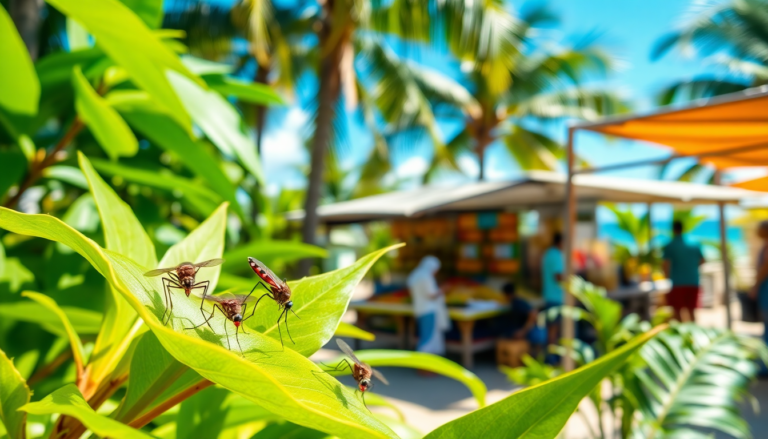
Hey friends! 🌍 So, I have some important news to share about a tropical virus that’s been making waves lately: chikungunya. If you’re planning on traveling soon, especially to warmer climates, you’ll want to tune in! Recent reports show a significant increase in cases, and health officials are urging everyone to be extra cautious.
Let’s dive into the details!
What is chikungunya?
Okay, but can we talk about chikungunya for a second? This viral disease, transmitted by mosquitoes, is becoming more common in certain parts of the world. It’s giving me serious travel caution vibes! The virus usually kicks off with a sudden fever and intense joint pain, which can be pretty debilitating.
While most people bounce back within a week, some might be stuck dealing with lingering joint pain for months—or even years. Yikes! 😱
What makes this virus particularly concerning is that, although it’s rarely fatal, it can lead to severe complications, including organ damage.
The latest figures from health officials in the UK show an alarming spike, with 73 cases reported just this year, compared to only 23 last year. Can you believe that? 📈
All reported cases in the UK have been linked to travelers returning from countries like Sri Lanka, India, and Mauritius. So, if you’ve got any travel plans to those spots, it’s definitely time to pay attention!
Precautions to take while traveling
So, what can you do to protect yourself? The UK Health Security Agency has some solid advice! 📝 First off, make sure to use insect repellent and wear long-sleeved clothing to keep those pesky mosquitoes at bay. They’re especially active in warmer climates, so it’s crucial to cover up. Who else thinks that wearing light-colored clothing is a smart move? Not only is it stylish, but it also helps you see if bugs land on you!
Sleeping under insecticide-treated bed nets is another effective strategy to avoid bites while you snooze. And don’t forget to check the Travel Health Pro Website for the latest updates on your travel destination. Knowledge is power, right? 💪
It’s also worth noting that there are vaccines available for chikungunya. If you’re traveling to regions where the virus is prevalent, it might be a good idea to get vaccinated. There are two vaccines currently in use: IXCHIQ for adults and Vimkunya for those 12 and older. Protecting yourself is key! 🛡️
Global context and the future
Here’s the plot twist: while chikungunya is causing concern now, experts believe it won’t lead to a pandemic. Similar outbreaks have occurred in the past, but with climate change, the risk of mosquito-borne diseases is definitely on the rise. The mosquito species that carry chikungunya have even been spotted in parts of Europe too, which means we all need to stay vigilant. 🌍✨
Just recently, the World Health Organization raised alarms about the increasing number of chikungunya cases globally, with a staggering 250,000 cases reported this year alone. It’s hitting hard in places like China and the Indian Ocean islands—popular vacation spots that many of us might consider. 🏝️
While it’s essential to be aware, let’s not panic. Experts like Professor Will Irving remind us that there have been larger outbreaks before, and with the right precautions, we can all stay safe while enjoying our travels. So, what are your thoughts? Are you taking any extra precautions for your upcoming trips? Let’s chat! 🗣️
